




A Nationwide Surge in Vigilance
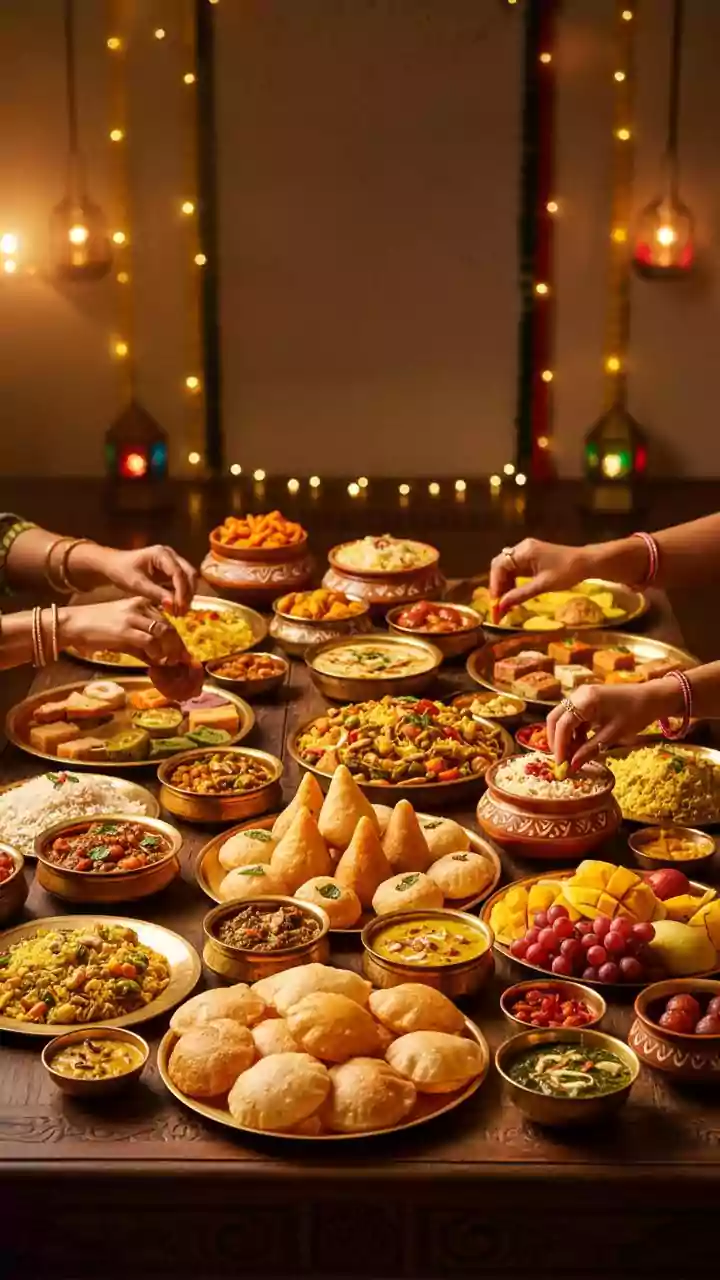
In the lead-up to the festive season, India's food safety bodies have dramatically increased their vigilance. Recent directives from the Food Safety and Standards Authority of India (FSSAI) have prompted state authorities to intensify inspections, particularly
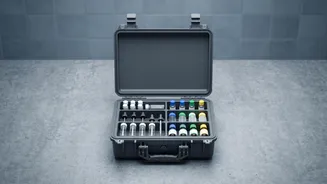
for high-demand items like milk, paneer, khoya, ghee, and sweets. This nationwide crackdown has seen thousands of kilograms of suspected adulterated products seized and destroyed in regions like Delhi-NCR and Mewat. In late September 2026, FSSAI explicitly instructed all states and Union Territories to boost surveillance to prevent unsafe and counterfeit foods from reaching consumers as demand peaks. Authorities are focusing on known hotspots for adulteration and using mobile testing vans, called 'Food Safety on Wheels', to conduct on-the-spot checks in busy marketplaces.
Why Festivals Fuel Food Adulteration
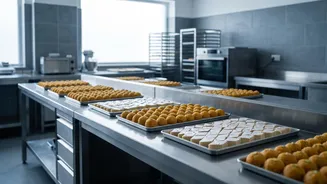
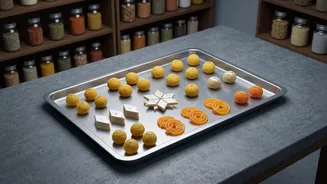
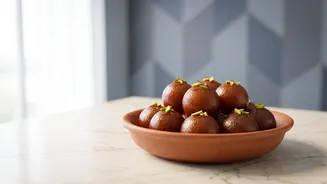
The festive season creates a perfect storm for food adulteration. The demand for traditional sweets and ingredients like khoya and ghee skyrockets, far outpacing the legitimate supply. This gap provides a lucrative opportunity for unscrupulous producers to cut corners for financial gain. To meet the rush, some vendors resort to dangerous shortcuts, substituting pure ingredients with cheaper, and often toxic, alternatives. Instead of pure milk solids (khoya), they might use a mixture of starch, blotting paper, and even detergent to add bulk. Ghee can be mixed with cheaper vanaspati or animal fats, and sweets are often made with non-permitted, industrial-grade dyes to make them appear more vibrant and appealing. This recurring issue turns a season of joy into one of public health concern, with hospitals often seeing a spike in food poisoning cases.
The Usual Suspects: Common Adulterants
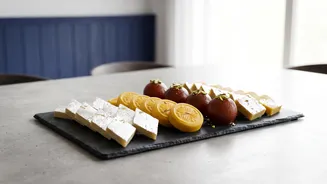
Inspectors have a checklist of common adulterants they look for during these raids. Milk and milk products like khoya and paneer are prime targets. They are frequently found contaminated with starch to increase volume or, more alarmingly, with substances like detergent. The vibrant colours that make sweets look so festive can be a major red flag; banned textile dyes like metanil yellow and malachite green, which are potentially carcinogenic, are sometimes used instead of permitted food colours. Another common deception is the 'silver' foil (vark) used to decorate sweets. Often, this is not real silver but cheap, toxic aluminium, which can harm the nervous system. Other adulterants found include chalk powder in sugar and bloating paper in rabri.
How to Be a Smart and Safe Consumer
While authorities are stepping up enforcement, consumers are the final line of defense. The most crucial step is to buy from reputable, licensed vendors who maintain clean premises. Always ask for a bill, which can help establish responsibility if a product is found to be substandard. Trust your senses: if a sweet looks unnaturally bright, smells musty or sour, or has an unusual texture, it's best to avoid it. You can also perform simple tests at home. For instance, to check for starch in khoya, dissolve a small amount in hot water and add a few drops of iodine; a blue colour indicates adulteration. Real silver vark disintegrates easily when rubbed, while fake aluminium foil tends to be more resilient. Be wary of deals that seem too good to be true, as a very low price can be a warning sign of poor-quality ingredients.