




The Unsung Heroes of the Pantry
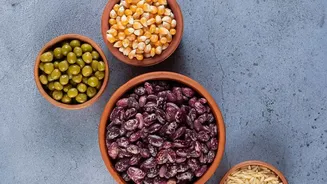
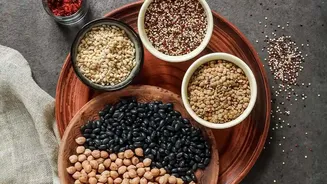
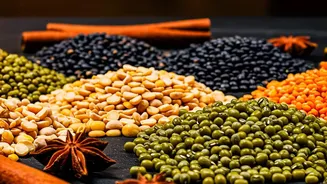
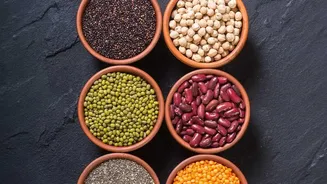
First, let's clarify what pulses are. The term refers to the edible, dried seeds of plants in the legume family. This includes a wide variety of kitchen staples such as lentils, chickpeas, dried peas, and countless types of beans like kidney, black, and pinto
beans. For thousands of years, these foods have been central to cuisines around the globe, valued not only for their long shelf life and affordability but also for their impressive nutritional content. They are considered a whole food because they are consumed in a state that is very close to how they are found in nature, having undergone minimal processing. This means they retain the vast majority of their natural goodness, including fiber, vitamins, and minerals.
A Nutritional Two-for-One
The magic of pulses lies in their unique dual identity. Unlike most other foods, they can be classified as both a protein source and a high-fiber carbohydrate. This is what makes them a game-changer for meal planning. Pulses typically contain about 21-25% protein by dry weight, which is almost double the amount found in whole grains like wheat. A single serving can provide a significant portion of your daily protein needs. Simultaneously, they are packed with complex carbohydrates and dietary fiber. This potent combination of protein and fiber is digested slowly, which helps you feel full and satisfied for longer and assists in maintaining stable blood sugar levels. This makes pulses particularly beneficial for weight management and for individuals with diabetes.
Simplifying the Protein Pairing
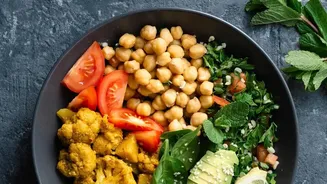
The challenge with many whole-food meals is assembly. You might carefully select a lean protein, then a whole grain, and then a vegetable. With pulses, you cover multiple bases at once. By making lentils or chickpeas the star of your dish, you are already incorporating a quality source of both protein and fibrous, slow-release energy. This simplifies the entire process. Instead of needing to pair chicken with brown rice, for example, a hearty lentil soup can stand on its own as a balanced meal, delivering protein, fiber, and a host of micronutrients like iron, zinc, and folate. This approach not only streamlines cooking but also naturally reduces reliance on animal products, which is beneficial for both your health and the environment.
Easy Ways to Get Started
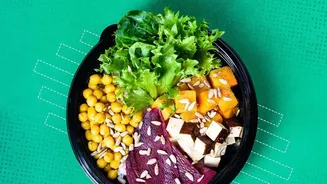
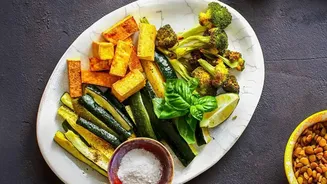
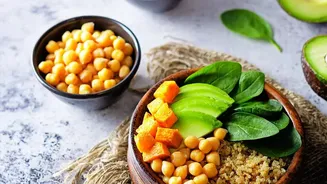
Incorporating pulses into your diet doesn't require a complete overhaul of your eating habits. The key is to start with simple swaps and additions. One of the easiest methods is to use pulses to extend meat-based dishes. Try replacing half of the minced meat in a bolognese sauce or taco filling with brown lentils or black beans. You'll add fiber and nutrients while cutting down on saturated fat and cost. Canned pulses are incredibly convenient; just drain and rinse them before adding them to salads, soups, or stews for an instant boost. You can also blend chickpeas or cannellini beans into a creamy, protein-rich base for dips and spreads like hummus. Even snacks can get an upgrade—try roasting chickpeas with spices for a crunchy, satisfying alternative to chips.
Beyond the Basics of 'Complete Protein'
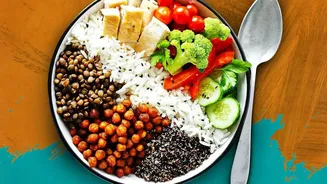
You may have heard that plant proteins are 'incomplete,' but for most people, this is a dated and largely irrelevant concern. Pulses do contain all nine essential amino acids—the building blocks of protein that our bodies can't make. They are simply lower in some than others. However, when you eat a varied diet, this nutritional gap is easily filled. Combining pulses with grains, either in the same meal or even just over the same day, creates a synergistic effect where the amino acid profiles complement each other perfectly, resulting in a complete protein that is easily absorbed by the body. So, a classic dish of beans and rice isn't just a cultural tradition; it's a nutritionally brilliant pairing.