








The Allure of the Perfect Plan
There's a certain magic to a prescriptive meal plan. It promises to take the guesswork out of eating. Breakfast at 8 a.m. is a specific smoothie. Lunch at 1 p.m. is exactly 150 grams of grilled chicken and a cup of broccoli. There are no decisions to be
made, no calories to calculate on the fly. This structure feels like a guarantee of success. For many people tired of the confusing world of nutrition advice, a rigid plan offers a sense of control and a clear path forward. It’s marketed as the most efficient route to achieving a goal, whether it's weight loss, muscle gain, or simply 'eating clean.' The promise is simple: follow these rules, and you will get the results you want.
Why Strict Plans Often Fail
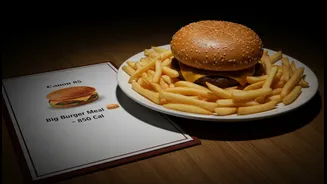
The very rigidity that makes meal prescriptions appealing is often their downfall. Life is rarely predictable. A friend’s birthday party, a late night at the office, or a simple craving can derail a perfectly structured plan. This is where the 'all-or-nothing' mindset kicks in. One small deviation can lead to feelings of failure, causing many to abandon the diet altogether. Research suggests this pattern isn't a personal failing but a predictable outcome of restrictive eating. Rigid diets can ignore the social and cultural aspects of food, making it difficult to dine with family or enjoy festive meals. They don't account for fluctuations in appetite, stress, or sleep. This deprivation mindset can create stress and anxiety, making it harder to sustain change in the long run. Ultimately, the diet plan fails because it was not designed for the beautiful, messy reality of human life.
The Power of a Realistic Goal
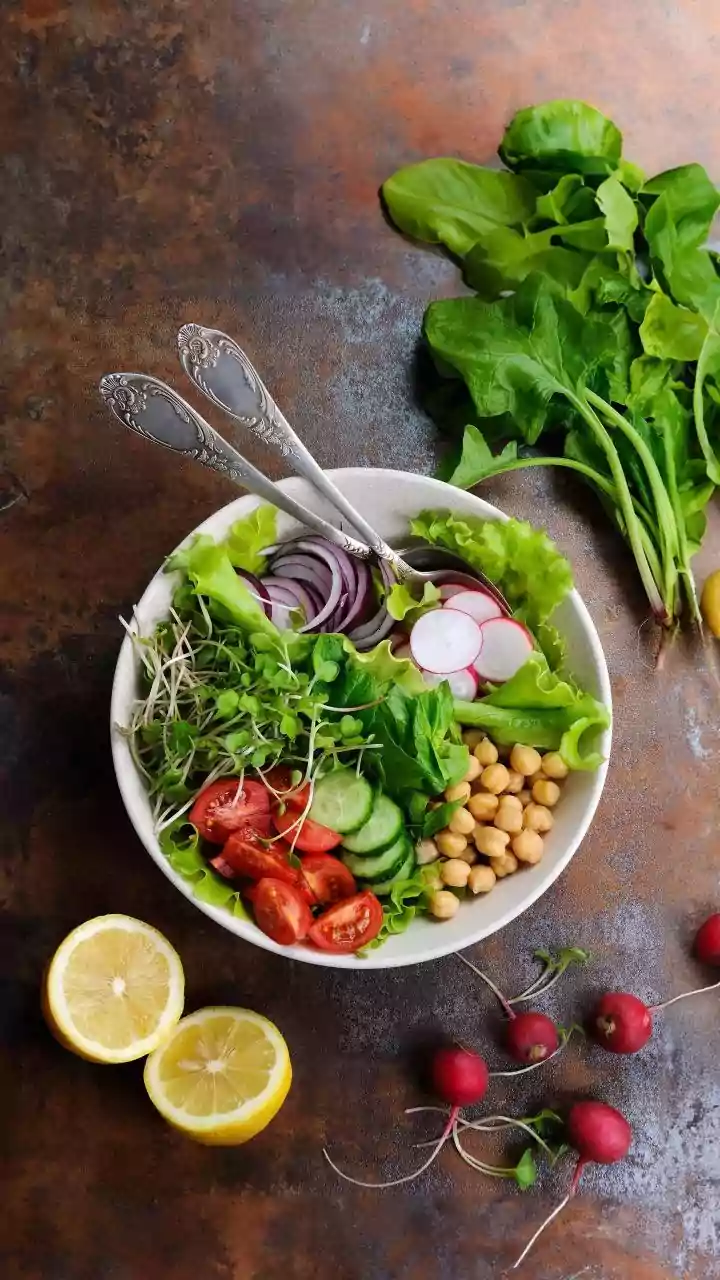
So, what’s the alternative? It’s not about having no goals, but about setting better ones. Instead of focusing on a rigid outcome, like losing 10 kilos in 8 weeks, the focus shifts to the process. These are often called process goals. A process goal is a small, actionable behaviour that is entirely within your control. For example, instead of a complex meal plan, a realistic goal might be “I will include a portion of vegetables with my lunch every day” or “I will drink a glass of water before each meal.” These goals are specific and measurable but also flexible. They don't outlaw any foods but instead focus on adding nutritious habits. This approach, often called flexible dieting, has been found to be more sustainable in the long run.
Building Your Flexible Framework
Creating a flexible framework starts with small, manageable steps. Think about what you can 'add-in' rather than what you must 'cut-out.' For an Indian context, this could mean simple swaps and additions. You could aim to have one home-cooked meal per day instead of ordering in. Or you might decide to try one new type of dal or vegetable each week. Another excellent goal is to switch from refined wheat chapati to whole wheat for one meal a day. The key is to pick goals that you genuinely enjoy and that fit into your existing lifestyle. You are building a marathon-ready approach to health, not a sprint. Breaking down a larger goal, like eating more plant-based foods, into tiny steps makes it feel less overwhelming and more achievable.
From Goals to Lasting Habits
Each time you achieve a small, realistic goal, you get a boost of confidence. These small wins build momentum and create a positive feedback loop. You start to see yourself as someone who makes healthy choices, which is a powerful psychological shift. Focusing on the process redirects your focus to what you can control, reducing anxiety about the end result. This builds consistency, and consistency is what turns actions into lasting habits. Over time, these small habits compound to create significant, sustainable changes in your health and well-being. The journey becomes less about reaching a fixed destination and more about enjoying the process of nourishing your body and mind.