






The Science of a Deliberate Pause
When you intentionally hold your breath for a few comfortable seconds, you're doing more than just pausing. This act can directly stimulate the vagus nerve, a key player in your body's relaxation response. This nerve acts as a brake on your heart rate
and is a major component of the parasympathetic nervous system, often called the "rest and digest" system. A short hold allows carbon dioxide to build up slightly in your blood. This sends a signal to your brain that, in controlled doses, encourages your heart rate to slow down and helps shift your body out of a high-alert, "fight or flight" state. The result can be a wave of calm that reduces feelings of anxiety and stress.
Popular and Gentle Techniques
You don't need to be an extreme athlete to practice breath-holding. One of the most common and accessible methods is Box Breathing, also known as four-square breathing. The technique is simple: you inhale for a count of four, hold your breath for four, exhale for four, and then hold the exhale for a count of four before repeating. This rhythmic pattern is easy to remember and can be done anywhere, providing a mental distraction from stressors while regulating your nervous system. Other methods, like the 4-7-8 technique, also incorporate holds to promote relaxation and help with sleep. The key to these practices is that the holds are brief, gentle, and never forced.
Why 'No Equipment' Doesn't Mean 'No Risk'
The idea that an exercise is completely safe because it doesn't involve weights or machines is a dangerous misconception. The risks of breath-holding exercises are physiological, not equipment-based. Holding your breath for too long can cause a sharp rise in blood pressure, followed by a sudden drop, which may lead to dizziness, lightheadedness, or even fainting (hypoxic blackout). This is particularly dangerous for anyone with pre-existing health conditions. Furthermore, intense or prolonged breath holds increase pressure inside your chest and abdomen, which can pose risks for issues like hernias. Crucially, you should never practice breath-holding exercises, even simple ones, in or near water due to the risk of blacking out and drowning.
How to Practice Breath-Holding Safely
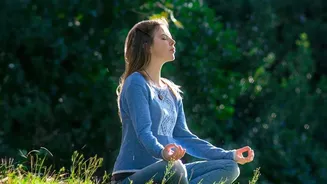
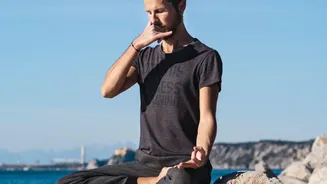
To reap the calming benefits without the risks, your guiding principle should always be comfort. Start by finding a comfortable seated position with your back supported. When you try a technique like Box Breathing, focus on slow, gentle breaths. The four-second holds should feel like a natural pause, not a struggle. If you feel dizzy, breathless, or uncomfortable at any point, stop immediately and return to your normal breathing pattern. Never push your limits or try to see how long you can hold your breath. The goal is relaxation, not endurance. Listening to your body is the most important part of the practice.
Who Should Be Extra Cautious?
While brief, gentle breath holds are safe for most healthy individuals, certain groups should avoid them or consult a doctor first. This includes pregnant women, as the effects on a developing fetus are not well understood. People with cardiovascular conditions, such as high or low blood pressure, heart disease, or a history of stroke, should also be cautious, as breath-holding directly impacts heart rate and blood pressure. Others who should seek medical advice before trying these exercises include those with a history of fainting, epilepsy, severe asthma, COPD, or panic disorders. If you have any serious underlying health condition, it is always best to speak with a healthcare provider before starting a new breathwork practice.