


The Metal that Sings: Dhokra Art
A trip into Chhattisgarh's cultural heart often begins in the Bastar region, a place synonymous with the ancient craft of Dhokra. This 4,000-year-old 'lost-wax' casting technique, also known as bell metal art, transforms a humble mixture of brass and
bronze into breathtaking figurines. Practiced by artisan communities like the Ghadwa and Jhara, each piece is unique. They first sculpt a model from beeswax, which is then coated in clay. When fired, the wax melts away, leaving a mould for molten metal. The resulting objects—from statues of tribal deities and graceful dancers to whimsical animals—possess a rustic, timeless appeal. These creations are not mere decorations; they are stories cast in metal, reflecting the mythology, rituals, and daily life of the region's indigenous people.
Whispers from Ancient Stones: Sirpur
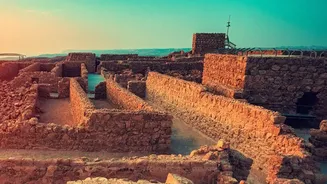
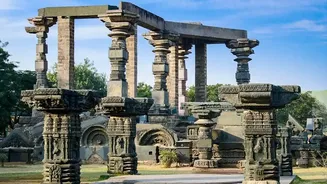
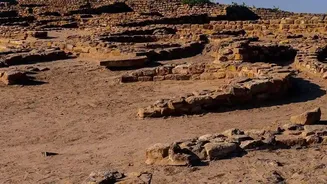
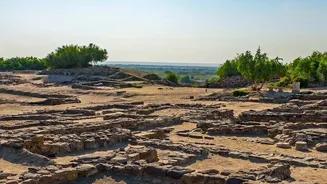
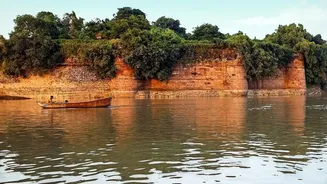
Journeying from living crafts to their historical foundations leads to Sirpur, an archaeological marvel on the banks of the Mahanadi River. Once the thriving capital of the Dakshina Kosala kingdom between the 5th and 12th centuries, Sirpur was a bustling centre where Hindu, Buddhist, and Jain traditions coexisted peacefully. Today, the sprawling site is a treasure trove of excavated temples, monasteries (viharas), and royal structures. The crown jewel is the 7th-century Lakshmana Temple, one of India's finest and best-preserved brick temples, renowned for its intricate carvings. As you walk through the ruins of Anand Prabhu Kuti Vihara, a monastery once visited by the Chinese traveller Xuanzang, you can almost hear the echoes of chanting monks and scholarly debate. The site is currently on UNESCO's Tentative List, a testament to its historical significance.
Earth, Fire, and Woven Dreams
Chhattisgarh's artistic spirit extends far beyond metal. In villages across the Bastar, Raigarh, and Ambikapur regions, potters shape terracotta figures with a skill passed down through generations. These clay forms, ranging from idols for worship to depictions of village life, are both symbolic and deeply expressive. The state is also famed for its Loha Shilp, or wrought iron craft, where artisans transform scrap iron into stunning, dark silhouettes of musicians, animals, and lamps. Equally captivating is the woodcraft of Bastar, where artisans use simple hand tools to carve intricate motifs into teak and sal wood, depicting everything from tribal myths to scenes of daily village life. And for textile lovers, the region is a hub for Kosa silk, a naturally golden-hued fabric hand-woven into beautiful sarees and drapes.
The Khajuraho of Chhattisgarh: Bhoramdeo
Nestled amidst the scenic Maikal mountain ranges in Kabirdham district lies the Bhoramdeo Temple complex, often called the 'Khajuraho of Chhattisgarh'. Dedicated to Lord Shiva, this 11th-century temple is a masterpiece of Nagara-style architecture, built by the Nagavanshi kings. Its exterior walls are covered in exquisitely detailed and sensuous sculptures, similar to those found at Khajuraho, depicting deities, celestial beings, and scenes from daily life. The temple is not just an architectural wonder but remains an active place of worship, drawing devotees and history enthusiasts alike. Its serene setting and artistic grandeur make it a profound spiritual and aesthetic experience, offering insight into the region's medieval history and religious devotion.