






Why Your Throat Hurts
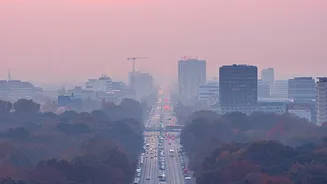
The air in Delhi is a cocktail of harmful pollutants, including fine particulate matter (PM2.5), nitrogen dioxide, and sulphur dioxide. When you inhale this air, these irritants come into direct contact with the sensitive mucous membrane lining your throat.
This triggers an inflammatory response from your immune system, leading to symptoms like dryness, a constant tickle, a burning sensation, and a persistent dry cough as your body tries to expel the foreign particles. Doctors note that a scratchy throat is often the first sign that your airway's defences are being overwhelmed.
Essential Preventive Measures
The most effective strategy is to minimise your exposure to polluted air. Experts strongly recommend monitoring the Air Quality Index (AQI) daily and adjusting your activities accordingly. On days with 'Severe' or 'Very Poor' air quality, limit time spent outdoors, and avoid strenuous exercise like running, especially near high-traffic roads. When you must go out, wear a well-fitting N95 or N99 mask, which is designed to filter out fine particulate matter. Indoors, keep windows and doors closed during peak pollution hours and consider using a HEPA filter air purifier, particularly in the bedroom, to create a clean air zone while you sleep.
Soothing Home Remedies for Relief
For mild irritation, several home remedies can provide significant comfort. Gargling with warm salt water two to three times a day is a highly recommended first step; it can reduce swelling and wash away irritants. Staying well-hydrated by sipping warm liquids like water, soups, or herbal teas throughout the day helps keep the throat’s lining moist. Many find relief from ginger-honey tea or turmeric milk, traditional Indian remedies known for their anti-inflammatory properties. Honey, in particular, can soothe the throat, but should not be given to children under one year of age. Steam inhalation can also help moisturise dry airways and loosen mucus.
What to Avoid
It's equally important to know what not to do. Avoid self-medicating with antibiotics, as pollution-induced throat irritation is inflammatory, not typically a bacterial infection. A sore throat from pollution is more likely to present with dryness and scratchiness, whereas a bacterial infection often involves fever, body aches, and swollen glands. Also, be wary of products that make unsubstantiated claims about 'detoxifying' your lungs from pollution. The focus should remain on proven methods: reducing exposure and managing symptoms. It's also wise to avoid indoor smoke from sources like incense sticks.
When You Must See a Doctor
While many cases of throat irritation can be managed at home, certain symptoms are red flags that require medical attention. You should consult a doctor if your sore throat is severe, persists for more than a week, or is accompanied by a high fever, difficulty breathing, or pain when swallowing. Other warning signs include chest tightness, wheezing, coughing up blood, or hoarseness that lasts for more than a couple of weeks. If you are gasping for air or cannot finish a sentence in one breath, seek emergency medical care immediately. Those with pre-existing conditions like asthma or COPD should be especially vigilant.