





Hype Meets a Harsh Reality
When Tesla unveiled the Cybertruck, the hype was unprecedented, with CEO Elon Musk suggesting production could reach 250,000 units annually. The reality has been starkly different. After an initial surge, sales have cooled dramatically. The truck's first
full year in 2024 saw roughly 39,000 sales. In 2025, that number plunged by nearly half to just over 20,000 units. The trend has continued into 2026, with S&P Global Mobility data showing only 7,133 new registrations in the US through May. This performance has drawn unfavorable comparisons to the Ford Edsel, the infamous automotive flop of the 1950s, with some analysts noting the Cybertruck's sales are tracking even lower relative to expectations. The figures have been significant enough that reports highlight internal purchases from Elon Musk's other companies, like SpaceX, have materially propped up registration numbers.
A Perfect Storm of Problems
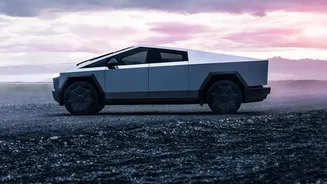
The registration shortfall isn't due to a single issue but a combination of factors. A series of high-profile recalls has plagued the vehicle, denting consumer confidence. Issues have ranged from accelerator pedals that could get stuck to trim panels detaching at speed and, most alarmingly, a recall for wheels that could potentially fall off. As of mid-2026, the Cybertruck has been subject to at least 11 recalls, a significant number for a new vehicle platform. Beyond quality control, production itself has been a monumental challenge. The truck's angular, stainless-steel exoskeleton is notoriously difficult to manufacture at scale, leading to panel gap inconsistencies and production bottlenecks. A recent dispute with a key supplier of tooling parts threatened to halt the production line altogether in July 2026, highlighting the fragility of its supply chain.
A Truck for a Niche Audience
While production struggles are significant, the Cybertruck's core design may be its biggest commercial hurdle. Its radical, low-polygon look is polarizing. While it appeals to a dedicated base of tech enthusiasts and early adopters, it has struggled to win over the mainstream truck market, which values practicality and a conventional aesthetic. Competing electric trucks like the Ford F-150 Lightning and Rivian R1T offer more traditional utility and design, making them an easier transition for many buyers. The Cybertruck's higher-than-initially-promised price and questions around its visibility and day-to-day usability have also confined it to a niche, even as early pre-orders topped one million. Reports indicate only a small fraction of those initial, low-cost pre-orders converted into actual sales once the final price and specifications were revealed.
Why Tesla Is Sticking With It
Despite the disappointing numbers, there are no signs Tesla plans to abandon the Cybertruck. Its value to the company may extend beyond mere unit sales. The truck serves as a powerful "halo" product—a rolling advertisement for Tesla's engineering ambition and brand identity. Developing it forced the company to innovate in manufacturing, pioneering techniques like its 48-volt architecture that will benefit future models. The Cybertruck is a statement piece, designed to make the future "look like the future," as Musk stated. It generates immense media attention and reinforces Tesla's image as a disruptor. While it may never become the high-volume seller once envisioned, its role as a technological testbed and a brand-defining icon gives it a strategic importance that registration figures alone do not capture.