

Prioritise Protein Power
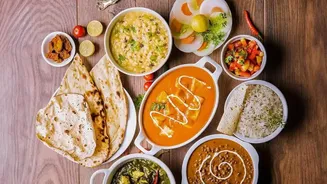
Protein is a cornerstone of a filling meal because it helps stabilise blood sugar and provides staying power. A common reason for feeling hungry shortly after a vegetarian meal is a lack of sufficient protein. Many people in India get their protein from
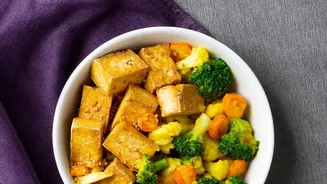
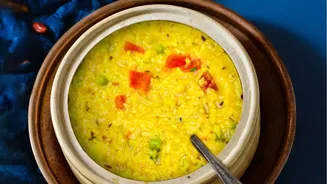
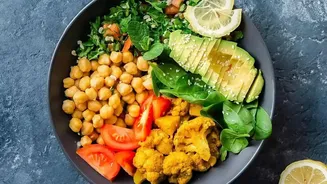
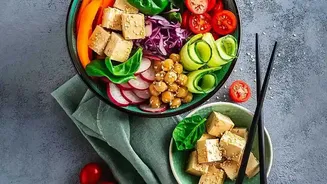
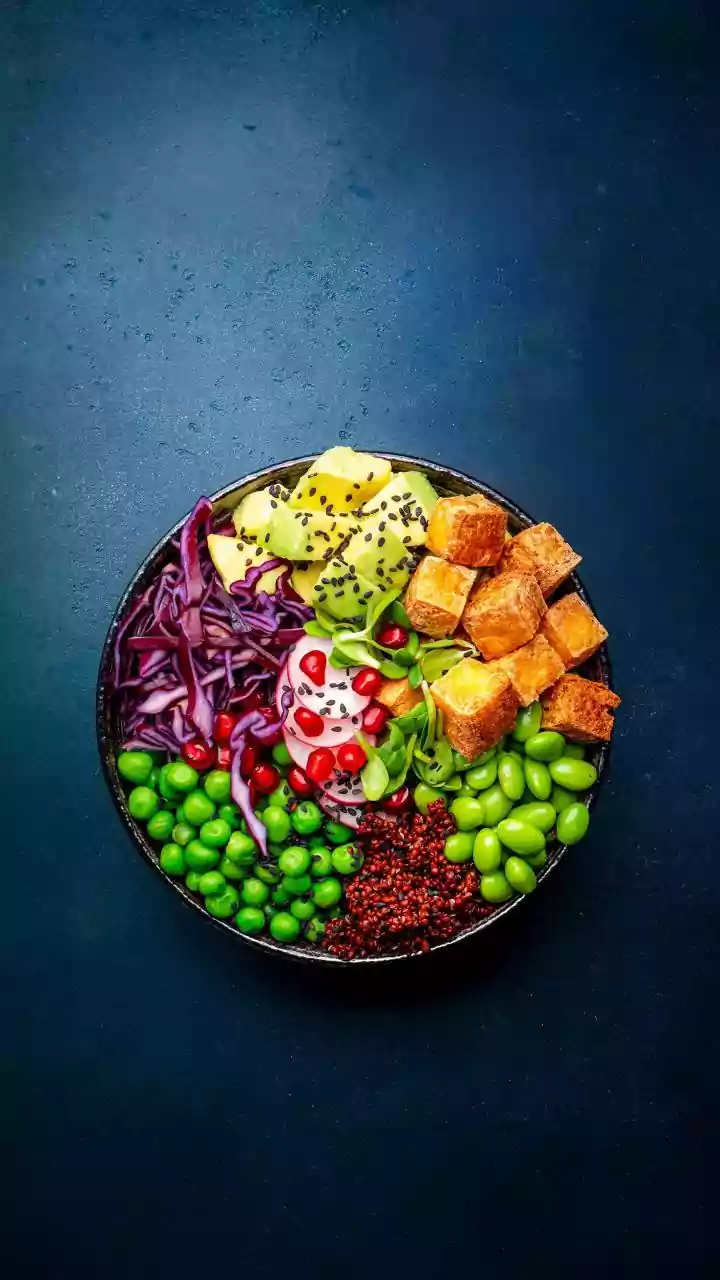
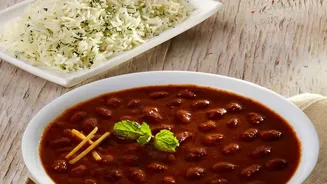
staples like dal, paneer, and yoghurt. Lentils (dal), for instance, are a powerhouse, with about 18 grams of protein per cooked cup. Chickpeas (chana) and kidney beans (rajma) are also excellent, providing around 15 grams per cup. Tofu, a versatile soy product, offers about 10 grams per 100g serving, making it a great addition to stir-fries and curries. By ensuring a solid protein source is the anchor of your meal, you're almost guaranteed to feel more satisfied.
Fill Up on Fibre
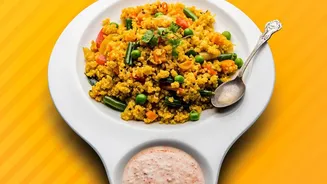
Fibre is another key player in satiety. It adds bulk to your meals and slows down digestion, helping you feel full for longer. Research suggests that eating pulses like chickpeas and lentils can increase feelings of fullness by over 30%. Whole grains are another fantastic source of fibre. Swapping white rice for brown rice or quinoa not only boosts your fibre intake but also provides more sustained energy. Quinoa is particularly noteworthy as it's a complete protein, containing all nine essential amino acids. Vegetables themselves are full of fibre; adding an extra handful of frozen mixed vegetables or leafy greens is an easy way to make any dish more substantial.
Embrace Healthy Fats
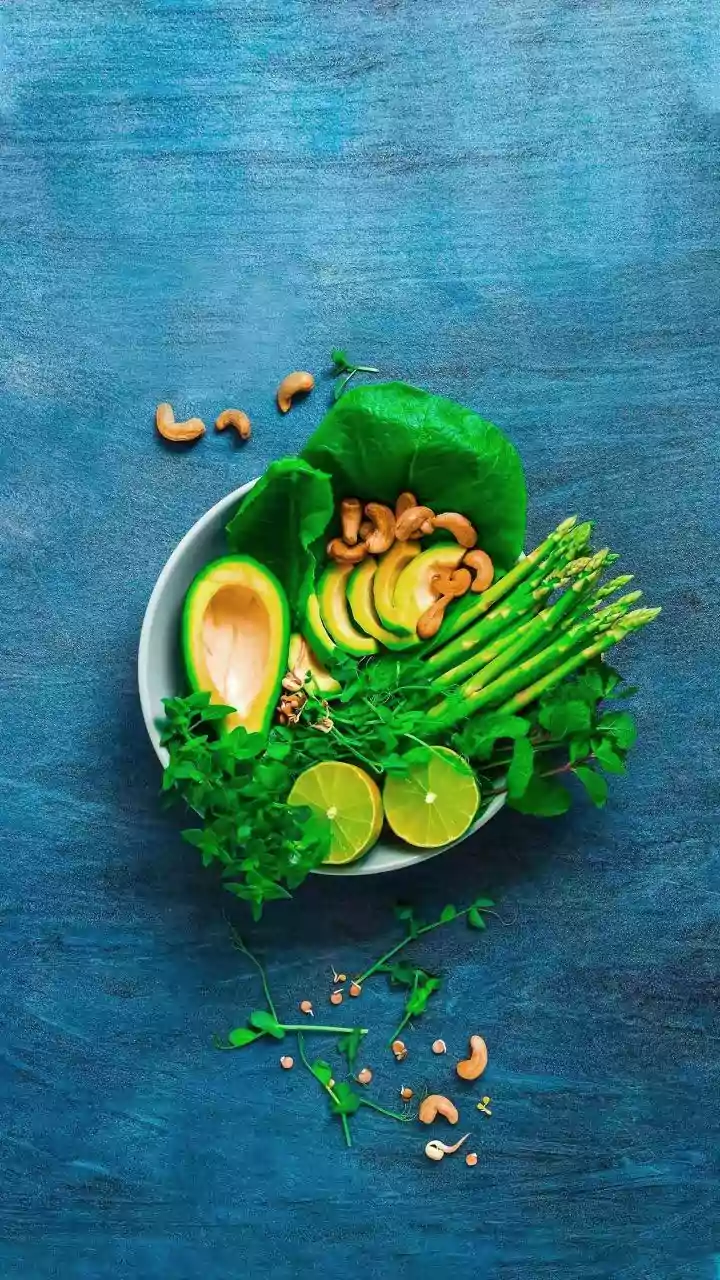
Fat often gets a bad rap, but healthy unsaturated fats are crucial for a satisfying meal. They slow digestion and add richness and flavour. Don't be afraid to incorporate nuts, seeds, and avocados into your diet. Sprinkling a tablespoon of crushed peanuts, almonds, or pumpkin seeds over a stir-fry or salad adds a delightful crunch and a dose of filling fats. A quarter of an avocado can provide heart-healthy fats and important vitamins. Nut butters and tahini-based dressings are other simple ways to add healthy fats that make meals more satisfying and flavourful.
Go Beyond Simple Salads
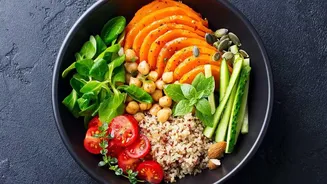
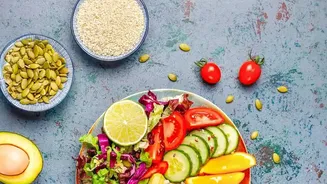
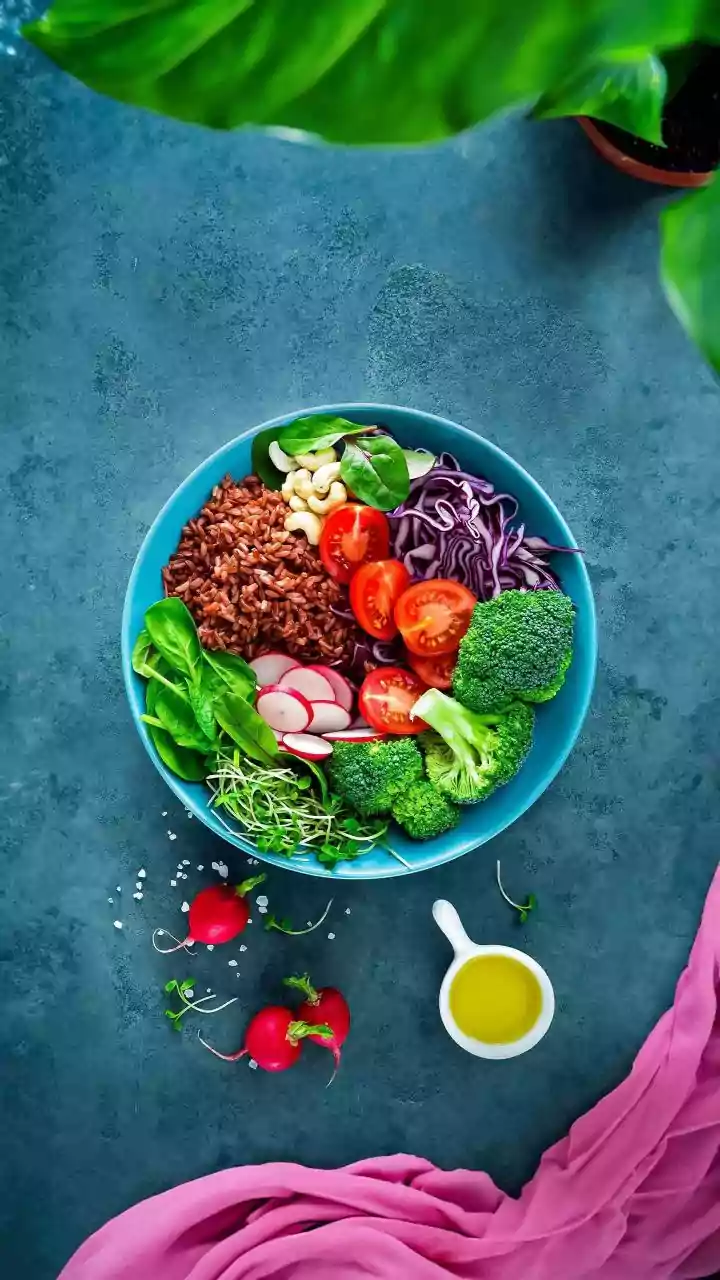
While salads can be healthy, a bowl of just lettuce and raw vegetables is unlikely to keep you full. To make a salad a true meal, you need to build it with more substantial ingredients. Start with a base of leafy greens, then add a protein source like roasted chickpeas or grilled paneer. Incorporate a whole grain like quinoa or a side of whole-wheat bread. Don't forget healthy fats from sources like avocado or a sprinkle of sunflower seeds. The goal is to create a balanced plate that includes a mix of protein, grains, vegetables, and fats.
Cook for Depth of Flavour
Satisfaction isn't just about nutrients; it's also about flavour. Making your food taste delicious makes it more psychologically satisfying. Techniques like roasting or grilling vegetables can bring out their natural sweetness and create a meatier texture. Using portobello mushrooms, known for their dense and savoury quality, can make dishes like stews or tacos feel heartier. Furthermore, don't underestimate the power of herbs and spices. Moving beyond basic salt and pepper to include aromatics like garlic and ginger, or spices like smoked paprika and cumin, can dramatically enhance the appeal of a meal, making it feel more complete and satisfying without relying on meat.
Consider Your Grains
The type of carbohydrate you choose makes a significant difference. Refined grains like white pasta or white bread can cause a quick spike and subsequent crash in blood sugar, leaving you hungry soon after. Instead, opt for whole grains like oats, barley, brown rice, and millets like bajra and ragi. These are digested more slowly, providing a steady release of energy. According to one satiety index, boiled potatoes are one of the most filling foods you can eat, making them an excellent, budget-friendly base for a meal.