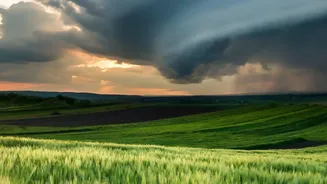





A Critical Global Breadbasket
The Black Sea is more than just a body of water; it is a vital artery for global agriculture. Russia and Ukraine, whose shores dominate the region, are titans of the food trade. Together, they have historically accounted for a massive share of the world's
exports, including over a quarter of all wheat and more than 60% of sunflower oil. Countries across the Middle East and Africa, in particular, have built their food security around reliable, affordable shipments from this one region. When this flow is disrupted, the consequences are not just economic but humanitarian, threatening to push millions into food insecurity.
A State of Constant Risk
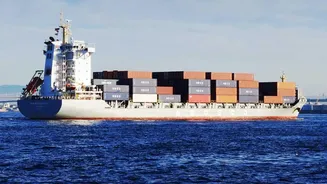
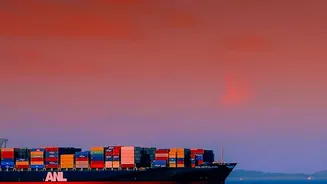
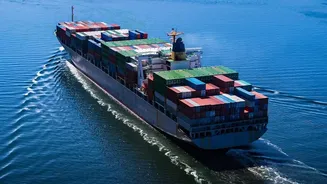
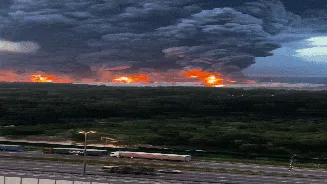
The primary threat is the ongoing war. In recent months, both Russia and Ukraine have intensified attacks on each other's port infrastructure and commercial vessels. Ukraine has reported a dramatic surge in attacks on its ports and ships compared to previous years. This constant state of hostility has turned the Black Sea into a high-risk zone for commercial shipping. The danger isn't just from direct missile or drone strikes; it also comes from naval mines, high insurance premiums that make voyages prohibitively expensive, and the general uncertainty that forces shipping companies to avoid the area altogether. As a result, even Russia's own grain export capacity has been severely hampered by the escalating conflict.
The Impact on India's Kitchens
While India is a wheat powerhouse and not reliant on Black Sea grain, the disruption has a direct impact on Indian households. India is the world's largest importer of sunflower oil, a significant portion of which has traditionally come from Ukraine and Russia. With shipments delayed by up to 60 days and prices rising, Indian importers are being forced to find alternatives. This has meant turning to more expensive sources like Argentina or substituting with other oils like palm, soy, and canola oil. This shift doesn't just affect availability; it drives up prices for cooking oil across the board, adding to the financial pressures faced by families, especially ahead of festival seasons.
Searching for Imperfect Alternatives
With sea routes compromised, Ukraine has been desperately seeking alternative ways to get its grain to market. Overland routes through neighbouring European countries like Poland, Romania, and Moldova are being used, but they are a poor substitute. These rail and road networks can only handle about half the volume that the major Black Sea ports could manage, and at a significantly higher cost—adding billions to export expenses. Furthermore, these routes are not without their own challenges, including logistical bottlenecks, low water levels on the Danube River limiting barge traffic, and political friction with European farmers who are wary of competition from cheaper Ukrainian grain.
A Volatile Future for Food Prices
The result of this sustained disruption is a global food market on edge. Prices for wheat and corn have spiked following attacks on port terminals, reflecting the market's anxiety. Ukraine has had to slash its agricultural export forecasts by more than half for the coming year, a massive blow to global supply. For countries that depend on these shipments, the future is uncertain. For everyone else, the volatility contributes to global food price inflation. The situation is a stark reminder of how interconnected our food systems are and how a regional conflict can create ripples felt in kitchens thousands of miles away.