





Plan Ahead and Be Prepared
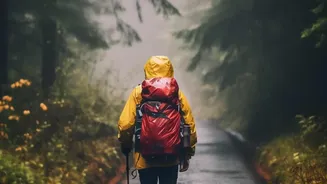
Before you even lace up your boots, do your research. Park rangers stress the importance of knowing the area's rules and potential hazards. Check the weather forecast right before you leave, as conditions in parks can change rapidly. Rangers often see
visitors who are unprepared for sudden storms or temperature drops. Dress in layers, pack essentials like a map and extra food, and always bring more water than you think you’ll need. A park ranger at Joshua Tree National Park recommends two gallons per person for a full day of hiking. It’s also crucial to tell someone your itinerary and when you expect to be back, as mobile phone service is often unreliable in remote areas.
Stay on Designated Trails
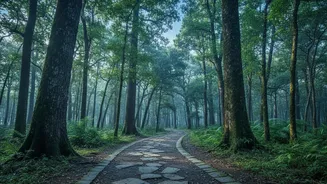
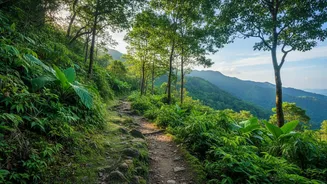
Those marked paths are there for a reason. Rangers emphasize that straying from trails can damage fragile ecosystems and put you at risk of getting lost or injured. Sticking to the path helps prevent soil erosion and protects delicate plant life that can take years to recover. Some trails have been created by park staff, while others have been in use for thousands of years. Venturing off-trail is a common mistake that can have significant consequences for both visitor safety and environmental conservation. Think of the trail as the park’s way of guiding you safely through its most spectacular and durable areas.
Pack It In, Pack It Out
The principle of “Leave No Trace” is a core message from every park ranger. This means everything you bring into the park, you must take out with you. This includes all food wrappers, bottles, and any other trash. Even items you think are biodegradable, like fruit peels or nutshells, should be packed out. They can take a long time to decompose and can attract wildlife, altering their natural behaviours. Properly disposing of your waste ensures the park remains pristine for future visitors and, most importantly, keeps the local wildlife safe from consuming harmful materials.
Respect Wildlife from a Distance
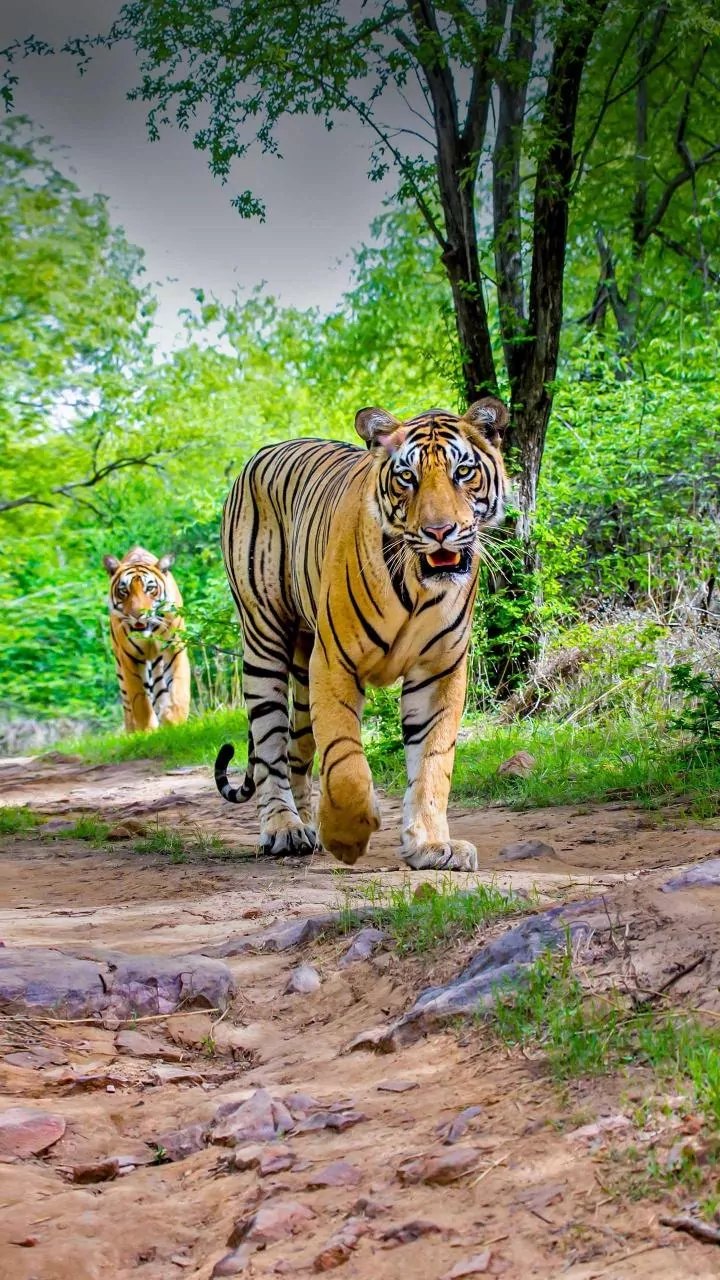
Observing animals in their natural habitat is a privilege, but it comes with responsibilities. Rangers are adamant: never feed the wildlife. Human food is unhealthy for wild animals and can make them lose their natural fear of people, leading to aggressive behaviour and dangerous situations. A good rule of thumb is to stay at least 100 yards away from predators like bears and wolves, and 25 yards from other animals like bison and elk. If your presence causes an animal to change its behaviour, you are too close. Use binoculars or a zoom lens for a closer look while maintaining a safe and respectful distance.
Leave What You Find
That beautiful rock, unique feather, or colourful wildflower should be left exactly where you found it. Part of the Leave No Trace ethic is to preserve the past and the natural scenery for everyone to enjoy. Taking natural objects home with you deprives other visitors of the chance to see them and can disrupt the local ecosystem. The same rule applies to historical or cultural artifacts you might encounter. Look, take pictures, but do not touch or remove them. The goal is for the next visitor, and the one after that, to have the same sense of discovery you did.
Be Considerate of Other Visitors
The natural world has its own soundtrack, and rangers ask that you help preserve it. Avoid playing loud music or speaking in loud voices; let nature’s sounds prevail. Being considerate also extends to trail etiquette. Generally, hikers going uphill have the right of way. When taking a break, step off the trail so others can pass easily. If you encounter rangers, feel free to ask them questions—they rely on visitors to help monitor the vast areas they manage and can provide the most current information about trail conditions or wildlife activity.