





Luxor: The World's Greatest Open-Air Museum
If Cairo is Egypt's modern heart, Luxor is its ancient soul. Situated on the east bank of the Nile, the city was once Thebes, the opulent capital of the New Kingdom pharaohs. The value here is sheer, overwhelming scale and historical density. On the East
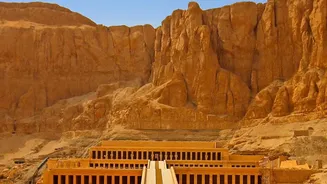
Bank, Karnak Temple is a mind-boggling complex of sanctuaries, pylons, and obelisks built over 2,000 years. A short distance away, Luxor Temple feels more intimate, especially when its columns and statues are dramatically lit at night. But the real treasures lie across the river on the West Bank. Here, you will find the Valley of the Kings, the legendary necropolis where pharaohs like Tutankhamun were laid to rest in lavishly decorated tombs. Nearby, the terraced Temple of Hatshepsut, dedicated to Egypt's most powerful female pharaoh, is a masterpiece of ancient architecture. For a different perspective, a sunrise hot air balloon ride provides a breathtaking aerial view of these monuments.
Aswan: A Slower Pace on the Nile
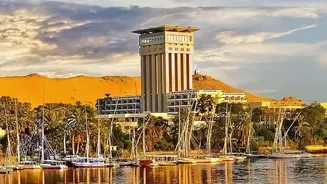
Further south, Aswan offers a change of pace. This is where the Nile is at its most beautiful, dotted with feluccas (traditional wooden sailboats) and granite islands. The value here is tranquility and culture. Aswan has long been the frontier between ancient Egypt and Nubia, and the Nubian influence is palpable in the vibrant villages painted with bright colors. A visit to the Nubian Museum provides deep context for this unique culture. Aswan is the gateway to some of southern Egypt's most stunning sites. A short boat ride takes you to Philae Temple, a beautiful island sanctuary dedicated to the goddess Isis that was painstakingly relocated to escape the rising waters of the Aswan High Dam. For many, Aswan serves as the base for a trip to the magnificent temples of Abu Simbel, but the city itself, with its relaxed atmosphere and stunning sunsets over the Nile, is a destination in its own right.
Abu Simbel: A Monument to Power and Preservation
The twin temples of Abu Simbel represent a different kind of value: pure, unadulterated awe. Carved into a mountainside by Ramesses II around 3,200 years ago, these colossal structures were designed to project Egyptian power into the southern lands of Nubia. The larger temple features four seated statues of the pharaoh himself, each over 20 meters tall. Getting here requires an effort—typically a very early morning convoy from Aswan or a short flight—but the reward is immense. What makes Abu Simbel even more remarkable is its modern history. In the 1960s, the entire complex was carefully dismantled and moved to higher ground to save it from the rising Lake Nasser, an incredible feat of international engineering.
Dendera and Abydos: For the History Devotee
For travelers who want to venture off the beaten path and find value in quieter, more profound historical sites, a day trip from Luxor to Dendera and Abydos is essential. These temples see far fewer crowds, allowing for a more personal connection. The Temple of Hathor at Dendera is one of the best-preserved in all of Egypt, famous for its vibrant, colorful ceilings depicting astronomical scenes. Further north, Abydos is one of Egypt's oldest holy cities, believed to be the burial place of the god Osiris. The Temple of Seti I here contains some of the most intricate and skillfully carved reliefs in Egypt, including the famous "Abydos King List," a chronological list of pharaohs that has been invaluable to historians.
Siwa Oasis: The Value of Remote Beauty
For an entirely different kind of Egyptian experience, the remote Siwa Oasis offers the value of escapism and unique culture. Located deep in the Western Desert near the Libyan border, Siwa is a world apart. It's an enclave of Berber (Amazigh) culture with its own language and traditions. The landscape is a stunning mix of lush palm groves, otherworldly salt lakes where you can float effortlessly, and ancient mud-brick fortresses like the Shali. Historically, it's famous for the Oracle of Amun, which was consulted by Alexander the Great. Reaching Siwa requires a long bus or car journey from Cairo, but for those who make the trek, the reward is an authentic and serene adventure far from the tourist trail.