



From Last Village to First Stop
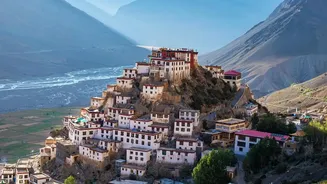
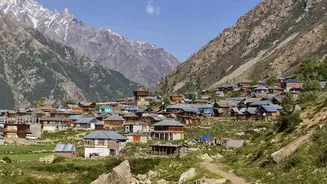
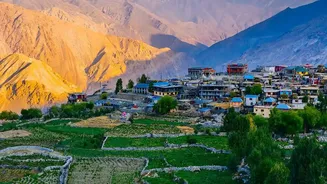
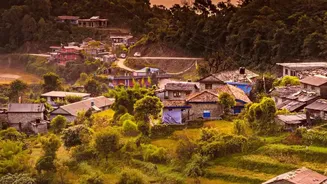
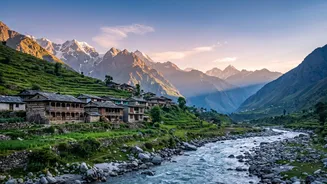
For generations, Mana village in Uttarakhand’s Chamoli district was a quiet, remote settlement, known primarily to pilgrims on their way to Badrinath. Its identity was tied to its geography: it was the last inhabited village before the border with Tibet.
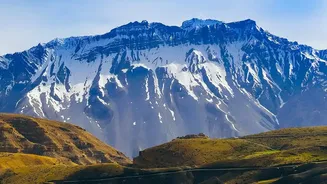
However, a significant shift in branding has altered its destiny. After a visit by Prime Minister Narendra Modi, the village was officially repositioned as the 'First Indian Village,' a title meant to inspire national pride. This simple change in narrative, combined with its spiritual and mythological significance—it is believed to be where the sage Ved Vyas composed the Mahabharata—has transformed Mana into a must-see destination. Tourists, especially those on the Char Dham Yatra, now flock to the village, eager to experience its unique culture and stunning Himalayan setting.
An Economic Lifeline
The tourism boom has undeniably brought prosperity. For a community traditionally reliant on agriculture and herding in a harsh environment, the influx of visitors has created a powerful new economic engine. Where daily life once followed a quiet routine, commercial activity now thrives. Many of the village's traditional stone houses have been converted into homestays, cafes, and shops, with some reports indicating around 60 such conversions. This allows local families to earn a direct income from tourism, a model often cited as a pillar of community-based sustainable travel. Local women have found new opportunities selling handmade woollen garments and other crafts, and businesses catering to tourists have multiplied, significantly boosting employment for residents of Mana and surrounding areas.
Paradise Under Pressure
But this newfound prosperity comes at a steep price. The fragile Himalayan ecosystem is buckling under the strain of thousands of daily visitors during peak season. The most visible problem is waste management. Recent viral videos have shown tourists littering and throwing waste directly into the sacred Saraswati River, which is only visible for a short stretch near Mana before it disappears underground. The incident has sparked outrage and highlighted a growing crisis. With an enormous number of visitors, local infrastructure is overwhelmed, leading to strained water supplies and traffic congestion on the narrow mountain roads. The very things that make Mana special—its tranquillity, clean air, and pristine nature—are now under threat from the very people who come to admire them.
A Broader Himalayan Dilemma
Mana’s predicament is not unique; it is a microcosm of a challenge facing the entire Indian Himalayan region. Popular destinations like Shimla and Manali have long grappled with overtourism, where visitor numbers far exceed the carrying capacity of the local environment and infrastructure. This concentration of tourists in a few well-known spots creates immense pressure, while other, more remote areas remain underdeveloped. The issue is complex, touching on environmental degradation, cultural preservation, and the livelihoods of local communities. As tourism grows, it risks replacing indigenous knowledge and sustainable practices with a commercial model that can be destructive in the long run. The question is no longer just about attracting tourists, but about managing them.
The Search for a Sustainable Future
The situation in Mana has forced a necessary conversation about the future of Himalayan tourism. Experts and activists are calling for a shift towards a more responsible and sustainable model. This includes implementing stricter regulations on waste disposal, potentially limiting the number of daily visitors to match the area's carrying capacity, and promoting eco-friendly practices among tourists and tour operators. Empowering local communities to manage tourism in their own areas, ensuring they are the primary beneficiaries, is also crucial. Initiatives like promoting homestays and creating employment opportunities can help prevent the migration of local populations to urban areas. Ultimately, the goal is to find a balance where tourism supports local economies without destroying the natural and cultural heritage that makes these places so valuable.