



The 'Vegetarian Paradox'
For generations, the traditional Indian vegetarian diet, rich in lentils, vegetables, and whole grains, has been a cornerstone of healthy living. Yet, India is currently facing a significant public health challenge, with over 101 million people living with diabetes
and another 136 million with prediabetes as of 2021. This has led to what some experts call the 'Indian vegetarian paradox': how can a largely vegetarian population experience such a dramatic rise in a lifestyle-linked disease? Recent evidence suggests the answer lies not in whether one eats meat, but in the nutritional quality of the vegetarian meals being consumed. It turns out that a plate full of refined carbohydrates, even if entirely plant-based, can pose a significant risk.
Refined Carbohydrates: The Hidden Culprit
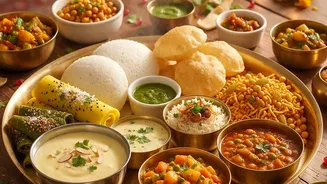
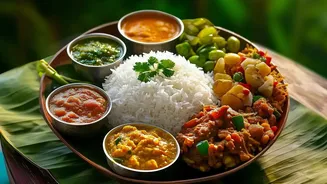
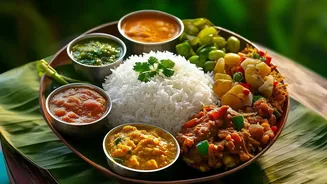
The modern Indian diet has seen a major shift. Traditional, high-fibre grains are often replaced by highly processed and refined carbohydrates. According to an ICMR-INDIAB study, Indians get a staggering 62% of their daily calories from carbohydrates, much of it from low-quality sources like polished white rice, refined flour (maida), and added sugars. These foods have a high glycemic index (GI), meaning they are digested quickly and cause rapid spikes in blood sugar. Over time, these frequent sugar surges can lead to insulin resistance, a key precursor to type 2 diabetes. So, while a meal of naan, white rice, and a side of potato curry is vegetarian, its heavy reliance on refined carbs can work against metabolic health.
High-Quality vs. Low-Quality Vegetarian Diets
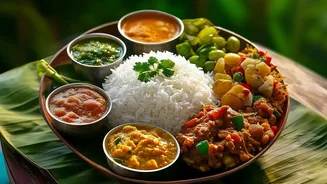
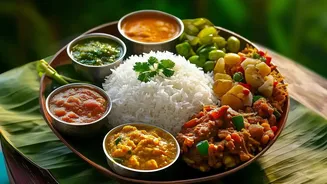
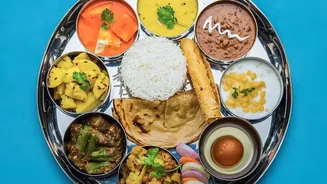
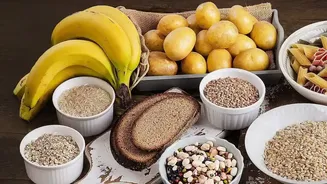
The distinction between a healthy and an unhealthy vegetarian diet comes down to its composition. A low-quality diet is dominated by refined grains, fried snacks, sweets, and sugary drinks. These foods provide calories but lack essential nutrients and fibre. In contrast, a high-quality vegetarian diet is built on a foundation of complex carbohydrates and balanced macronutrients. This includes whole grains like millets (jowar, bajra, ragi), whole wheat (atta), and brown rice. It also features a rich intake of protein from sources like lentils (dal), chickpeas (chole), kidney beans (rajma), and dairy products like curd and paneer. These foods are packed with fibre, which slows down digestion, prevents sharp blood sugar spikes, and promotes a feeling of fullness.
Simple Swaps for a Healthier Thali
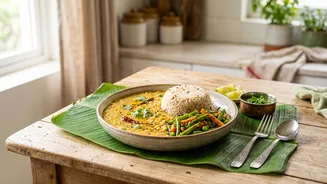
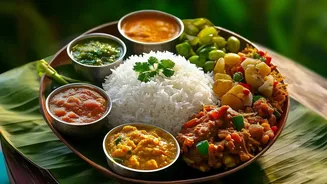
Improving the quality of your vegetarian meals doesn't require a complete dietary overhaul. Small, consistent changes can make a significant difference. Start by swapping refined staples for their whole-grain counterparts: choose whole-wheat rotis over those made with maida, and replace white rice with brown rice or millets. Ensure every main meal includes a solid source of protein, such as a generous serving of dal or a sabzi made with legumes. Increase your intake of non-starchy vegetables like spinach, fenugreek, cabbage, and cauliflower, which are low in calories and high in fibre and nutrients. It's also crucial to be mindful of snacks between meals. Instead of reaching for packaged biscuits or fried items, opt for a handful of nuts, seeds, or a bowl of yoghurt.