





The Official Warning
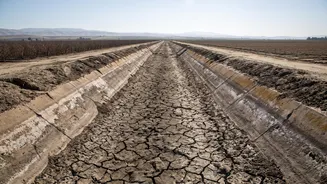
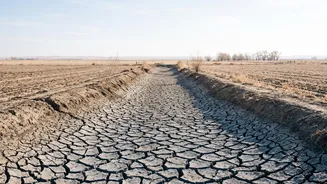
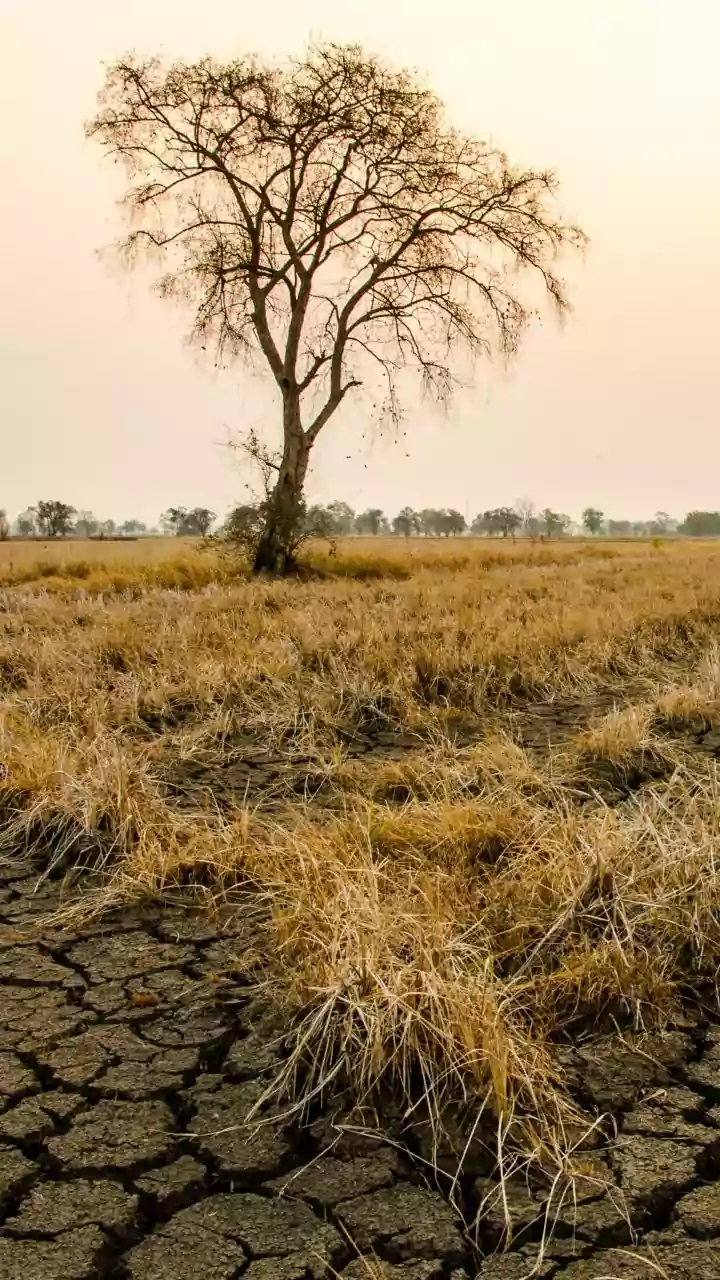
The Indus River System Authority (IRSA) Advisory Committee has officially approved a projected 22% water shortage for the Rabi season, which runs from October 2026 to March 2027. This calculated shortfall will primarily impact the country's two main agricultural
provinces, Punjab and Sindh, as they are subject to cuts under the prevailing water-sharing formula. The provinces of Khyber Pakhtunkhwa and Balochistan are exempt from the shortages. The decision was made after reviewing data on river inflows and reservoir levels, confirming a challenging season ahead for a nation heavily reliant on irrigated agriculture. The warning sets the stage for careful water management to mitigate the potential impact on crop yields.
Why is There a Shortage?
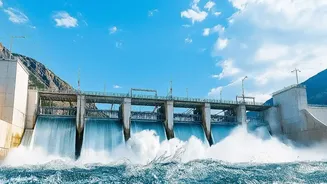
The deficit is not due to a single cause but a combination of factors. A major reason is that water inflows during the preceding Kharif season (April to September) were significantly lower than expected—8% below anticipations and 22% lower than the previous year. This resulted in lower-than-average water levels in the country's major reservoirs. As of September 30, total water storage was 9.343 million acre-feet (MAF), well below the anticipated 12.014 MAF and the 13.214 MAF stored at the same time last year. Additionally, IRSA has pointed to ongoing delays in the completion of key hydropower and water storage projects on the Tarbela Dam, which have limited the ability to store water and exacerbated shortages.
Crops and Farmers on the Frontline
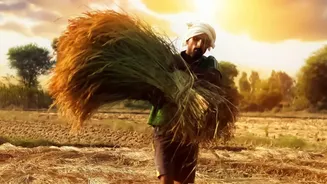
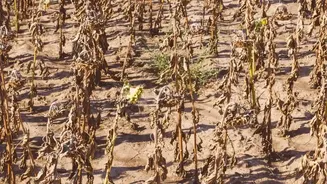
The Rabi season is critical for Pakistan's food security, with wheat being the most important crop sown during this period. Other major Rabi crops include gram, lentils, barley, and mustard. The 22% shortfall directly threatens the productivity of these crops, particularly in Punjab and Sindh, which are the nation's breadbaskets and account for the vast majority of wheat production. Farmers in these regions may be forced to either rely on more expensive groundwater pumping to irrigate their fields or settle for reduced yields. This comes at a time when many are already under pressure from last season's wheat harvest, which fell short of its target by over 2 million tons.
The Ripple Effect on the Economy
The consequences of a water shortage extend far beyond the farm gate. A poor wheat harvest could strain domestic supplies, leading to increased food inflation for consumers across the country. Flour prices have already seen a sharp year-on-year increase, with urban markets reporting a 31.7% rise and rural areas a 34.3% rise as of September. If the upcoming harvest underperforms significantly, Pakistan may need to increase its wheat imports to stabilise the market and ensure food security. This would put additional pressure on the country's foreign exchange reserves, impacting the broader national economy.