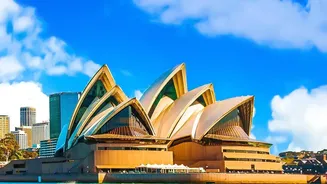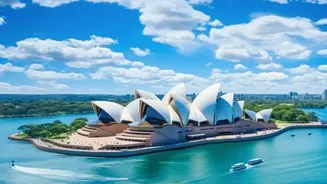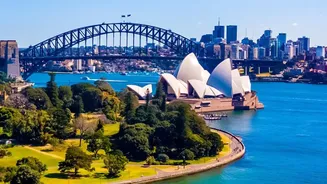




Sydney's Icons: The Opera House and Harbour Bridge
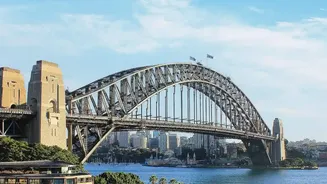
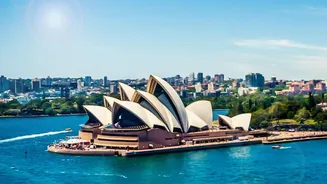
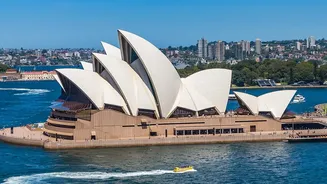
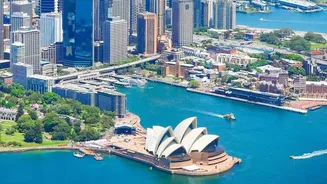
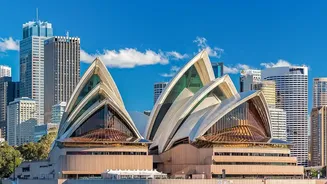
No trip to Sydney is complete without seeing its twin icons. The reality, however, can be a frantic shuffle through crowds at Circular Quay, with everyone vying for the same selfie angle. Guided tours of the Opera House are fascinating but can be crowded
and costly, often focusing more on the building's history than its modern-day magic. The experience of walking across the Harbour Bridge is iconic, but the pedestrian path can feel more like a packed commuter walkway than a scenic stroll. Instead of getting stuck in the main tourist throng on the forecourt, find a better vantage point. A public ferry ride from Circular Quay to Manly or Watsons Bay offers spectacular, moving views of both landmarks from the water for just a few dollars. For a free and peaceful perspective, walk through the Royal Botanic Garden to Mrs Macquarie's Chair, which frames the Opera House and Bridge perfectly, especially at sunset. Early mornings are also a golden opportunity for photos without the crowds.
Bondi Beach: More People Than Powder-White Sand
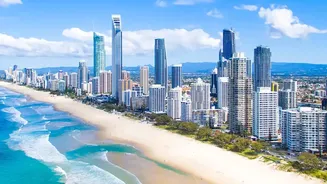
Bondi Beach is a global symbol of Australian beach culture, but that fame comes at a price: space. On a sunny day, finding a spot on the sand can feel like a competitive sport. The beach is often teeming with tourists, making a peaceful dip or a quiet sunbathe nearly impossible. For a more relaxed but equally beautiful Sydney beach experience, locals know to head just around the corner. Bronte Beach, the next stop on the stunning coastal walk, has a more laid-back, local vibe, a beautiful park for barbecues, and an incredible ocean pool. Further along, Coogee Beach offers a calmer alternative that's great for families and snorkelling. If you're willing to venture a little further, northern beaches like Manly or Palm Beach offer vast stretches of sand and a classic Aussie beach town atmosphere.
The Great Barrier Reef: A Crowded Wonder
The world's largest coral reef system is undeniably a natural wonder, but many visitors experience it from a crowded pontoon or a large tour boat, which can dilute the magic. Concerns about over-tourism are valid, as the most accessible parts of the reef bear the brunt of visitor traffic. While tourism helps fund conservation, the experience can sometimes feel rushed and impersonal. To have a more meaningful encounter, do your research. Opt for smaller, eco-certified tour operators that venture to the outer reefs, which are often more pristine and less crowded. Consider alternatives like the southern Great Barrier Reef islands, such as Lady Elliot or the Keppel Islands, which host far fewer visitors. For a completely different but equally spectacular experience, head to Western Australia's Ningaloo Reef, where you can snorkel with whale sharks right off the beach.
Uluru: A Spiritual Journey Shared with Hundreds
The majesty of Uluru at sunrise or sunset is profound, but you'll likely be sharing that spiritual moment with hundreds of other people at designated viewing areas. While visitor numbers are managed, the sheer remoteness and cost of getting there can create high expectations that the crowds can undermine. The climbing ban, in effect since 2019, has rightfully returned the focus to the rock's cultural significance to the Anangu people. To get away from the main crowds, explore the full base walk—a 10km loop that allows you to appreciate the rock's scale and intricate details in relative peace. Many visitors also skip the equally impressive Kata Tjuta (The Olgas), a collection of giant domes just a 50km drive away. The Valley of the Winds walk at Kata Tjuta is often less busy and offers breathtaking views of the surrounding landscape.