


Safety First: The Core Principle
Sending humans into space is an incredibly complex and risky endeavour. The highest priority for the Indian Space Research Organisation (ISRO) is astronaut safety. Uncrewed missions provide the ultimate real-world testbed to validate every single component
of the mission without endangering human lives. These flights are heavily instrumented to gather performance data on critical systems, ensuring they can withstand the harsh environment of space and the violent forces of launch and re-entry. Think of it as a full-scale, high-fidelity dress rehearsal where every sequence, from lift-off to splashdown, is scrutinised to perfection. Several precursor missions, including Pad Abort Tests and Integrated Air Drop Tests, have already been conducted to prove technology preparedness levels.
Validating the Human-Rated Rocket
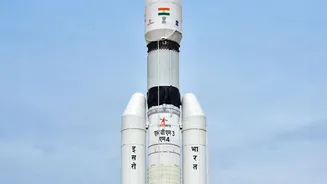
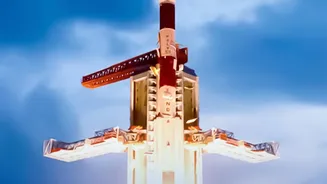
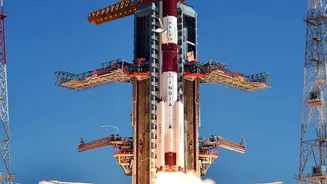
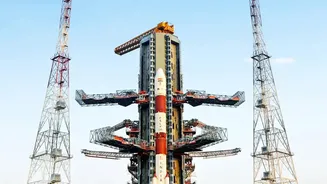
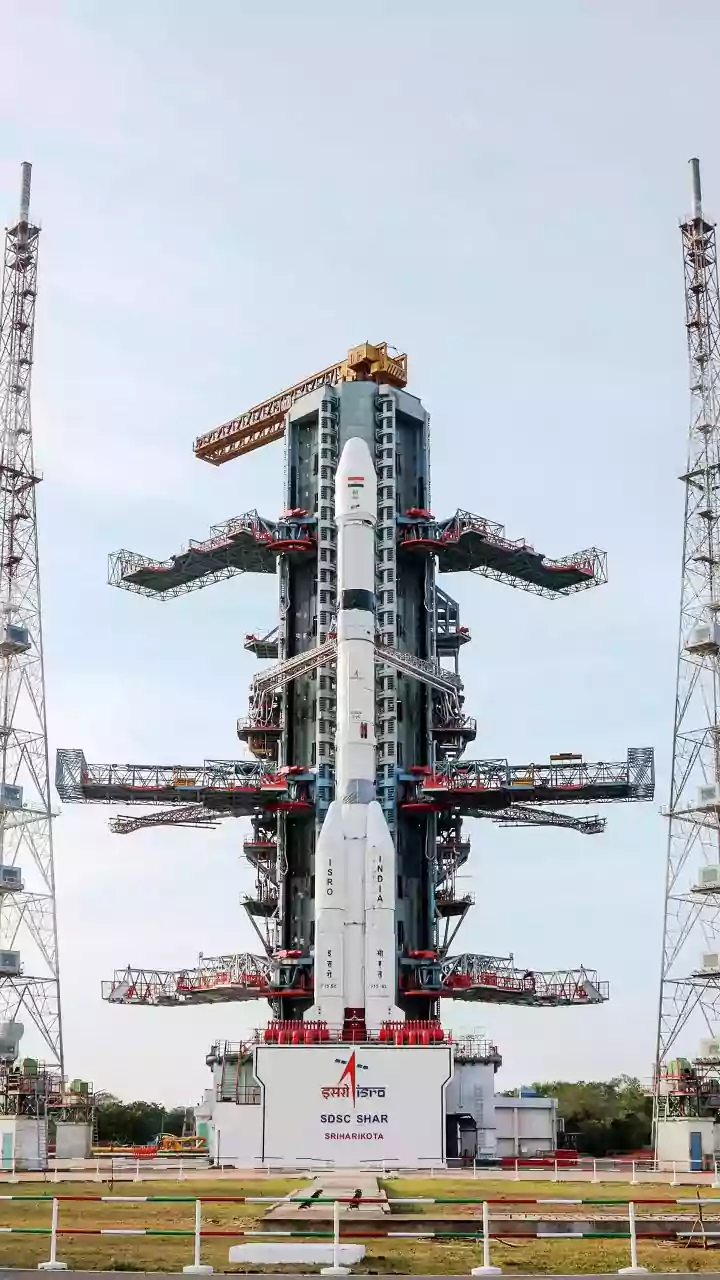
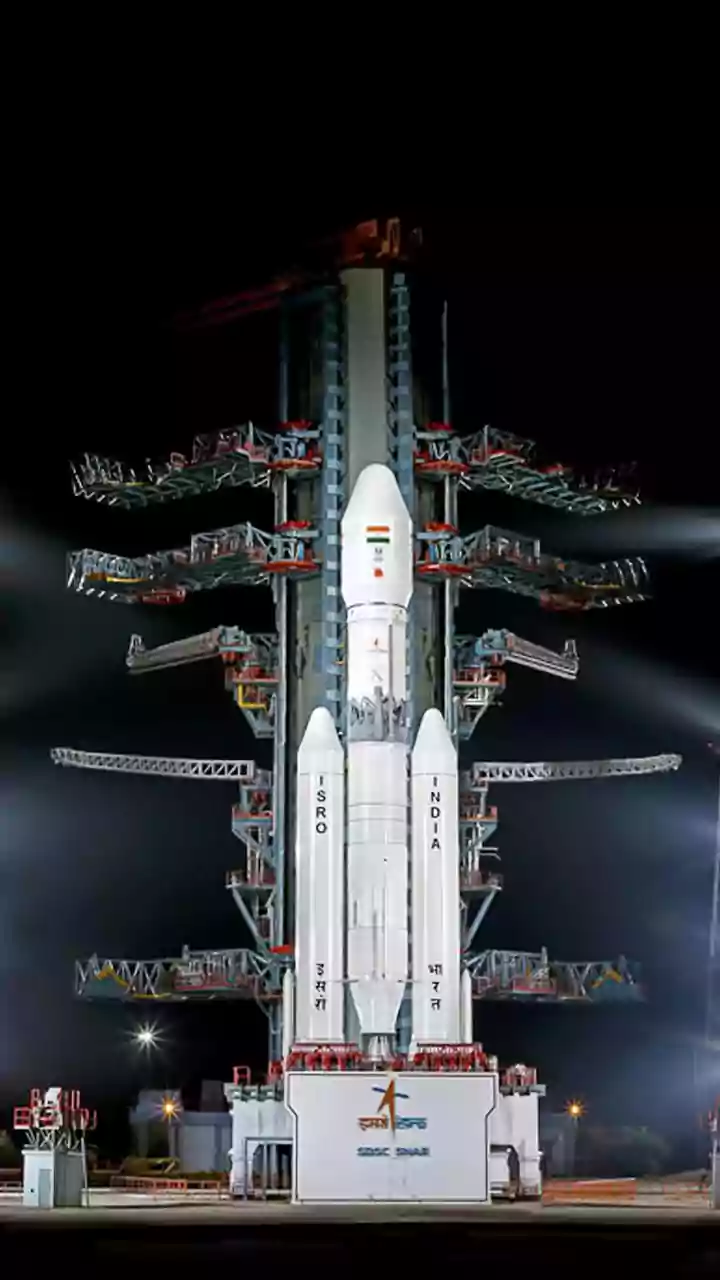
The launch vehicle for Gaganyaan is a modified version of ISRO's reliable heavy-lift rocket, the LVM3, now christened the Human-Rated LVM3 (HLVM3). While the LVM3 has a proven track record, carrying humans requires a much higher level of reliability and safety. The uncrewed flights will serve as the final exam for this rocket, proving its systems have been successfully re-configured to meet human-rating requirements. A crucial part of this is the Crew Escape System (CES), a mechanism designed to jettison the crew module to safety in case of an emergency during launch or ascent. The uncrewed missions will demonstrate the performance of this escape system in a live flight scenario, a test that is impossible to replicate fully on the ground.
Testing the Spacecraft's Life Support
The Orbital Module, which comprises the Crew Module and the Service Module, is where the astronauts will live. For the uncrewed flights, this module will be equipped with all the critical systems needed for a human mission. This includes the indigenously developed Environmental Control and Life Support System (ECLSS). This system is responsible for maintaining a habitable environment with breathable air, and managing temperature, pressure, and humidity. Aboard the first uncrewed flight will be a humanoid robot named Vyommitra, which will simulate human functions and monitor how the ECLSS performs in the space environment, ensuring it can provide an Earth-like atmosphere for the crew.
Mastering the Fiery Re-entry
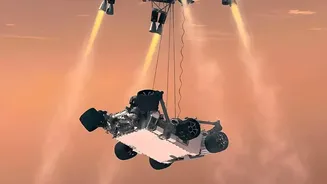
Arguably the most dangerous part of any space mission is returning to Earth. The Crew Module must withstand extreme temperatures as it re-enters the atmosphere at high speeds. The uncrewed missions are essential for validating the Thermal Protection System (TPS), or heat shield, which protects the module from burning up. Following re-entry, a complex sequence of parachutes must deploy perfectly to slow the module down for a safe splashdown in the ocean. These tests validate the entire deceleration system, from the apex cover separation to the deployment of the main parachutes, ensuring the capsule can land at a velocity that is safe for its occupants.
Perfecting Splashdown and Recovery
Once the crew module splashes down in the sea, the mission isn't over. The module needs to remain stable and upright in the water until recovery teams arrive. The uncrewed flights will test the Crew Module Uprighting System (CMUS), which uses flotation bags to ensure the capsule stays correctly oriented even in rough seas. These missions also allow ISRO and the Indian Navy to practice and perfect their recovery procedures. Locating, securing, and retrieving the capsule from the ocean is a complex logistical operation, and these test flights provide invaluable real-world experience, ensuring that when astronauts are on board, the recovery is swift and efficient.