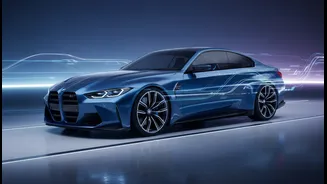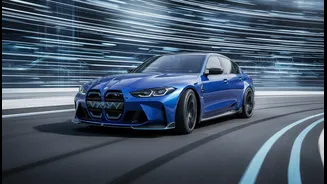




The Soul of a Motorsport Legend
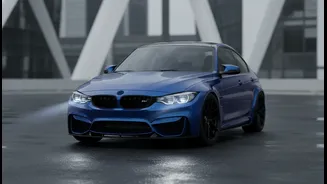
The BMW M3 has always been more than just a car; it's a benchmark, a legend built on a specific formula. For generations of enthusiasts, the M3 experience is defined by the sound of a high-revving inline-six engine, the precise feel of the steering, and
a sense of connection between driver, machine, and road. This delicate balance of power, agility, and feedback is the 'feel' that has made it the king of sport sedans. But as the automotive world pivots to an electric future, BMW's M division faces its greatest challenge: translating that analog soul into a digital-era machine.
An Inevitable Electric Future
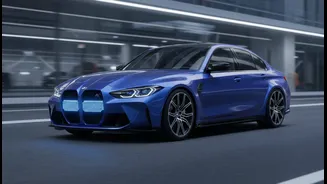
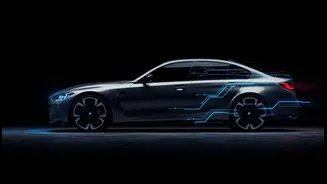
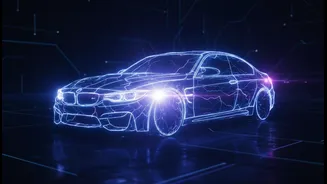
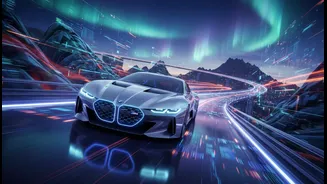
The next chapter for the M3, expected around 2027, will be built on BMW's new 'Neue Klasse' electric vehicle architecture. While BMW has confirmed it will continue to offer a separate, gasoline-powered M3 for purists, the headline act is the all-electric model. M division head Frank van Meel has made it clear that the brand is going to the extremes, offering a pure combustion experience alongside a pure electric one, with no hybrid compromise in the middle. This electric M3, previewed by the M Concept Neue Klasse, won't just be an electrified 3 Series; it will be a ground-up performance car designed to redefine M for a new generation.
The Digital Heart of the Beast
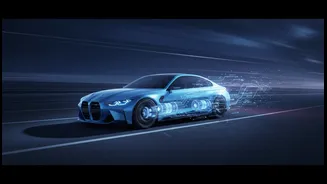
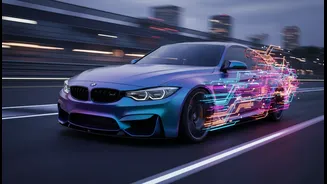
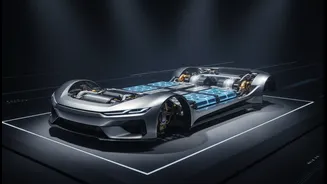
So, how do you replicate the M3's legendary feel without its iconic engine? BMW's answer lies in a radical new powertrain and a centralized computer system. The electric M3 is set to feature a quad-motor setup, with one electric motor dedicated to each wheel. This isn't just about achieving incredible horsepower, with rumors suggesting figures approaching 1,000 hp. The true innovation is how this power is controlled. All four motors will be orchestrated by a single, powerful central computer that BMW has dubbed the 'Heart of Joy'. This system can manage steering, braking, traction, and power delivery for each wheel independently, reacting in milliseconds.
Torque Vectoring: The New Language of Feel
This quad-motor setup unlocks a level of control that mechanical systems could only dream of. The 'Heart of Joy' computer can precisely vary the torque sent to each individual wheel at any given moment. This is torque vectoring on a whole new level. In a corner, it can send more power to the outside wheels to increase rotation and agility, effectively making the car feel smaller and more nimble. It can also manage grip with a predictive precision that traditional stability control systems, which react to a loss of grip, can't match. While the car will have all-wheel drive for maximum traction, engineers have confirmed the system will be heavily rear-biased and can even decouple the front axle entirely, allowing for a pure rear-wheel-drive character when desired.
Addressing the Question of Emotion
The biggest question for enthusiasts is whether a silent car can truly be engaging. BMW is directly confronting this challenge. Frank van Meel acknowledges that the discussion around performance EVs is about emotional attachment. The company is developing sophisticated, synthetic soundscapes and simulated gear shifts to provide the auditory feedback drivers are used to. The goal isn't just to mimic an engine but to give the driver an audible sense of speed and effort, helping them judge corner entry speeds on a track just as they would with a traditional gearbox. It’s a recognition that feel is about more than just g-forces; it's a multi-sensory experience.
A New Definition of Performance
The transition to electric power is not without its hurdles, most notably the significant weight of the battery. Yet, BMW's engineers see the new technology as an opportunity, not just a compromise. The 'Heart of Joy' and quad-motor system are designed to make the car's handling dynamics so responsive and controllable that the weight becomes a secondary factor. The goal isn't to create a silent M3 that feels like the old one. Instead, BMW M is aiming to create a new kind of performance feel, one defined by the instantaneous and infinitely adjustable nature of electric power. It's a bold gamble to prove that the soul of a performance car lies not in its fuel source, but in the intelligence of its design.