






Instead of Fushimi Inari's Torii Gates...
The endless corridor of vermilion torii gates at Kyoto's Fushimi Inari Shrine is a globally recognized symbol of Japan. The reality, however, is a slow-moving procession of thousands of visitors, making a peaceful moment or a clean photograph nearly impossible.
The main path can feel less like a spiritual journey and more like a theme park queue. While you can find quieter trails by hiking further up the mountain, the initial stretch is often overwhelmingly busy.
...Try Nezu Shrine in Tokyo
For a similar, yet far more tranquil, torii gate experience, visit Nezu Shrine in Tokyo. It features its own stunning tunnel of red gates set against lush greenery, offering the same photogenic allure without the crowds. As one of Tokyo's oldest shrines, it boasts beautiful wooden structures and a serene pond. It allows you to appreciate the spiritual and aesthetic beauty of the gates in a calmer, more personal setting, feeling like a genuine discovery rather than a tourist obligation.
Instead of Arashiyama Bamboo Grove...
The towering green stalks of the Arashiyama Bamboo Grove in Kyoto are another bucket-list sight that can be a victim of its own success. The main path is often packed shoulder-to-shoulder, with the sound of rustling bamboo frequently drowned out by the noise of the crowd. While undeniably beautiful, the experience can feel rushed and compromised by the sheer volume of people vying for the same iconic shot.
...Try Hokokuji Temple in Kamakura
Just a day trip from Tokyo, Hokokuji Temple in Kamakura offers a magical alternative. Known as the "bamboo temple," it features a beautiful, dense bamboo grove that is much less frequented than its Kyoto counterpart. For a small entrance fee, you can wander the peaceful paths and even enjoy a cup of matcha while seated in the middle of the grove, looking out at the swaying bamboo. It’s a far more meditative and immersive experience that captures the true serenity a bamboo forest should offer.
Instead of Dotonbori's Neon Signs...
Osaka's Dotonbori district is a dazzling spectacle of neon lights, giant mechanical crabs, and endless street food stalls. It's loud, energetic, and extremely crowded, especially at night. While exciting, its popularity means navigating packed streets and long queues for famous dishes like takoyaki. The experience, while visually stimulating, can sometimes feel overwhelming and overly commercial.
...Try the Shinsekai District
For a taste of Osaka with a more retro, local flavor, head to the Shinsekai district. Dominated by the nostalgic Tsutenkaku Tower, Shinsekai offers a similar, brightly-lit nighttime atmosphere but with a distinctly old-school charm. The area is famous for kushikatsu (deep-fried skewers) and is filled with inexpensive eateries and quirky game parlors. It provides the same vibrant, food-focused energy as Dotonbori but feels more grounded in local life and less like a pure tourist draw.
Instead of a Tokyo Skytree Ticket...
The Tokyo Skytree offers phenomenal panoramic views of the sprawling metropolis, but this comes with a hefty price tag and, often, long waits. The experience is slick and modern, but it's a major tourist attraction with the associated costs and crowds. Getting to the top requires time and money that could be spent elsewhere in the city.
...Visit the Tokyo Metropolitan Government Building
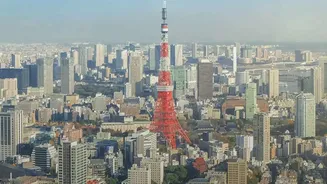
For an equally impressive view without the cost, make your way to the Tokyo Metropolitan Government Building in Shinjuku. Its twin towers each have an observatory on the 45th floor, which are completely free to the public. You get a stunning 360-degree vista that includes the Skytree, Tokyo Tower, and, on a clear day, Mount Fuji. The queues are typically shorter, and the money you save can be spent on a great meal in the vibrant Shinjuku area below.