


More Than Just a Container
Think of a planter not as an accessory for your plant, but as a piece of decor in its own right. A simple ceramic pot can tie a room together, add a pop of colour, or introduce a new texture. The choice of planter—be it a sleek, modern design or a hand-painted,
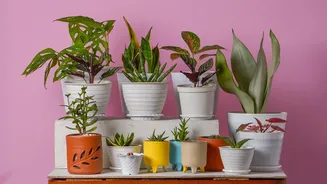
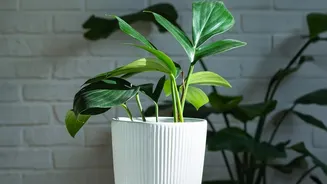
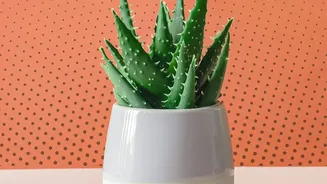
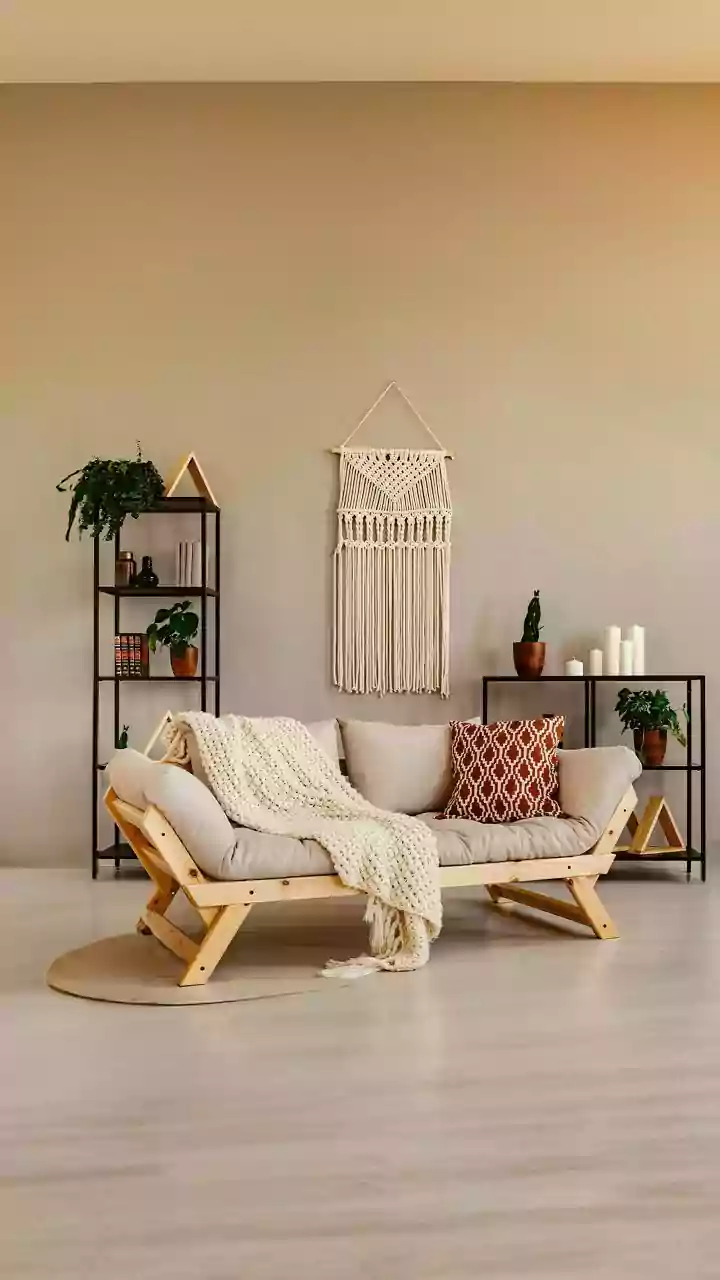
rustic pot—should be as intentional as your choice of cushions or artwork. For a contemporary or minimalist aesthetic, planters with clean lines and neutral tones like white, grey, or black work beautifully, allowing the plant's foliage to be the hero. For a bohemian or traditional space, look for earthy tones, woven textures, or artisanal patterns that add warmth and character. By viewing the planter as an integral part of your decor, you elevate it from a purely functional item to a statement of style.
The Art of a Perfect Match
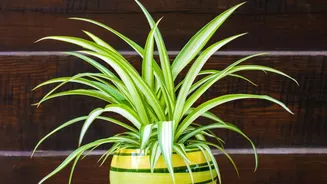
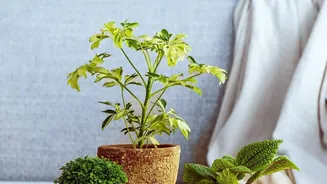
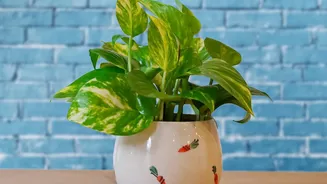
The relationship between a plant and its pot is a delicate balance. The goal is for the planter to complement the plant, not compete with it. Consider the plant's characteristics. A plant with intricate, variegated leaves might shine in a pot with a simple, solid colour. Conversely, a plant with simple, glossy green leaves could be paired with a more decorative or textured pot. Colour theory can be a helpful guide. You can create a harmonious look by choosing a pot in the same colour family as the plant's leaves or flowers. For a bolder statement, choose a complementary colour from the opposite side of the colour wheel—a glossy red pot, for instance, can make lush green foliage pop dramatically. The shape also matters; rounder pots can echo the soft shapes of leaves, while sharp, geometric planters can contrast nicely with them.
Getting the Scale Just Right
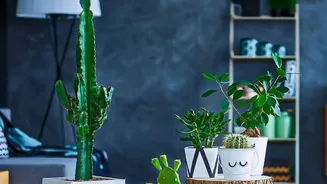
Scale refers to the relative size of objects, and getting it right is crucial for a balanced look. A tiny plant in a massive pot will look lost, while an overflowing plant in a small container appears cramped and overwhelming. A good rule of thumb is to choose a pot that is about one-third the height of the plant. For the diameter, the pot should generally be one to two inches wider than the plant's root ball, which also gives it room to grow. But scale isn't just about the plant and pot; it's about their relationship to the room and the furniture within it. The combination should feel proportional to the space it occupies. A large floor planter with a statement plant like a Fiddle Leaf Fig can anchor an empty corner, while a small, delicate pot is better suited for a side table or bookshelf.
Creating a Cohesive Picture
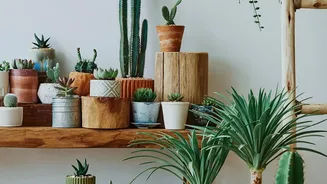
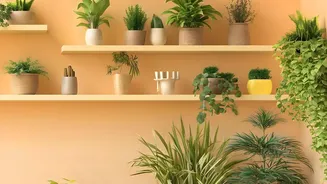
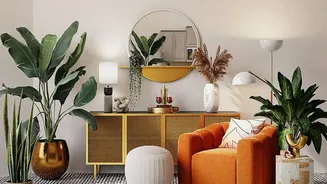
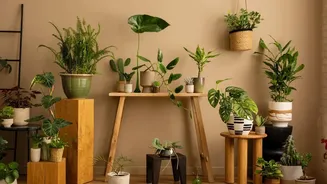
The final step is to ensure your plant and planter combination works in harmony with the surrounding furniture and decor. A planter should not look like an afterthought but rather a deliberate part of a curated scene. Place planters near furniture with similar design elements to create a cohesive flow. For example, a mid-century modern style planter with clean lines and wooden legs will look perfect next to an Eames chair. You can also coordinate pot colours with other accents in the room, like throw pillows, artwork, or rugs, to create a unified palette. Grouping planters of different heights and sizes can create a dynamic, layered effect that feels lush and intentional. Try placing a large plant on the floor, a medium one on a stand or stool, and smaller ones on a console or shelf to draw the eye around the room and build a sense of depth.