








Temperature is the Real Culprit
First, let's clear the air. The concern isn't about coffee or tea themselves. In fact, when the International Agency for Research on Cancer (IARC), a part of the World Health Organization, re-evaluated coffee, it removed it from its list of possible carcinogens.
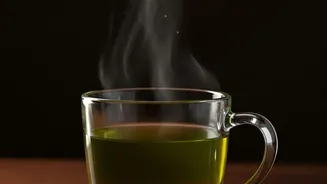
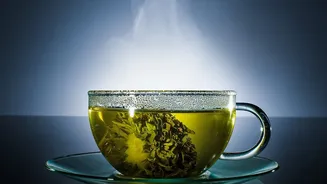
The real focus of concern is the temperature of any beverage. IARC has classified drinking 'very hot' beverages as "probably carcinogenic to humans." This was based on studies showing a link between the habit of drinking scalding liquids and an increased risk of oesophageal cancer. So, it's not what you're drinking, but how hot you're drinking it.
The Scientific 'Too Hot' Threshold
So, how hot is 'very hot'? The scientific consensus points to a specific temperature: 65° Celsius (149° Fahrenheit) and above. Beverages consumed at or above this temperature are what researchers link to increased risk. To put that in perspective, a freshly boiled kettle produces water at 100°C. Even after pouring, your drink might still be around 90-95°C. The optimal drinking temperature, for both flavour and safety, is often cited as being closer to 58°C (136°F). This means a drink that feels pleasantly hot, not scalding.
Understanding Thermal Damage
The mechanism of harm is known as thermal injury. Think of it as a repeated, low-grade burn to the lining of your oesophagus, the tube that carries food and drink from your throat to your stomach. When you repeatedly swallow liquids that are hot enough to cause damage, your body is in a constant state of repairing those cells. This chronic inflammation and rapid cell turnover can, over a very long period, increase the chances of errors in cell replication, which can potentially lead to cancerous growth. Studies have noted that the damage can result in symptoms like chest pain and difficulty swallowing, or show up during endoscopies as inflammation or distinctive 'candy cane' patterns on the oesophageal lining.
Putting the Risk into Perspective
It's crucial to understand that this is a matter of long-term, habitual consumption. The occasional sip of a too-hot drink is unlikely to be a major concern. The risk is associated with a consistent, daily pattern of drinking scalding beverages over many years. Furthermore, while the increased risk found in studies is statistically significant, oesophageal cancer remains relatively uncommon. Major risk factors like smoking and excessive alcohol consumption pose a much greater threat. The IARC's 'Group 2A' classification for very hot drinks means it's considered a 'probable' cause, placing it in the same category as red meat, but it does not mean it is as dangerous as a 'Group 1' carcinogen like tobacco. The classification indicates the strength of the evidence, not the level of risk in everyday life.
Simple Steps for Safer Sipping
The good news is that reducing this risk is incredibly simple and doesn't require giving up your favourite beverage. The solution is simply to wait. Letting a freshly brewed drink cool for a few minutes before you start sipping is the most effective strategy. There's no universal waiting time, as it depends on the cup and room temperature, but a good rule of thumb is to wait until it no longer feels uncomfortably hot. Other simple tricks include adding a splash of cold milk or water, or dropping in a single ice cube to quickly bring the temperature down to a safer, more pleasant level. Before taking a big gulp, always take a small, tentative sip to test the temperature.