





A Right to Walk
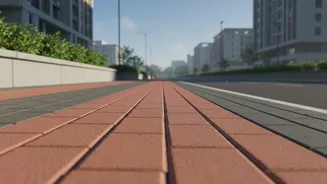
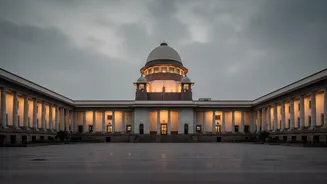
In a landmark decision in June, the Supreme Court of India declared that the right to walk on a safe, demarcated footpath is a fundamental right. The court held this right is part of the constitutional guarantees of the right to life and to move freely
throughout the country. Crucially, the judgment stated that the right of a pedestrian on a footpath takes priority over the movement of motorised vehicles. This wasn't the creation of a new law but a powerful clarification that gives legal weight to what urban planners and citizens have argued for decades: footpaths are for people, not for parking, extensions of shops, or as overflow for road traffic.
From Ruling to Rolling Action
Spurred by the court's directive, Bengaluru's civic bodies have launched a massive city-wide drive called the 'Safe Footpaths Campaign'. Since early July, authorities have been clearing encroachments across all city zones. As of early August, the Greater Bengaluru Authority reported that encroachments from over 770 kilometers of footpaths had been removed, which is about half of their initial target. The drive is targeting everything that obstructs a pedestrian's path: illegal food stalls, shop merchandise, unauthorised parking, and even abandoned vehicles. Officials are conducting joint operations with civic authorities and traffic police to clear the pavements, aiming to make walking a safer and more viable option.
A Familiar Story with a New Urgency
Bengaluru has seen footpath clearance drives before. High court directives in previous years have led to similar, though often short-lived, campaigns. These efforts frequently lost momentum due to a lack of sustained political will, the absence of viable alternatives for displaced street vendors, and the sheer scale of the problem. Encroachments would often reappear within weeks or even days of being cleared. What makes the current situation different is the backing of the nation's highest court, which has explicitly framed walkability as a fundamental right and placed the onus on authorities to ensure it. This provides a stronger mandate and, citizens hope, a more permanent impetus for change.
The Challenge of Livelihoods
While pedestrians have largely celebrated the move, the drive is not without its complexities. For thousands of street vendors, the footpath is their place of business. Evictions, even when legally justified, raise difficult questions about livelihoods. Activists and urban planners point out that a sustainable solution cannot just be about clearing pavements; it must also involve creating designated, regulated hawking zones. Officials have stated that the drive is not a blanket eviction but is focused on major roads with high pedestrian traffic to reduce accidents. The long-term success of this initiative will depend on balancing the pedestrian's right to walk with the vendor's right to earn a living in a structured, regulated manner.
The Path Forward
This renewed focus on pedestrian rights is a critical turning point for Bengaluru. The Supreme Court's ruling and the subsequent enforcement drive offer a rare opportunity to redesign the city's public spaces to be more inclusive and people-centric. However, reclaiming footpaths is not a one-time task. It requires continuous monitoring from authorities and a fundamental shift in culture among citizens. Respecting pedestrian spaces by not parking vehicles or dumping waste on them is as crucial as the official clearance drives. For this change to stick, it will require a collaborative effort where the government creates and maintains walkable infrastructure, and citizens actively participate in preserving it for everyone's use.