






The Hydration Showdown: Electrolytes vs. Cooling
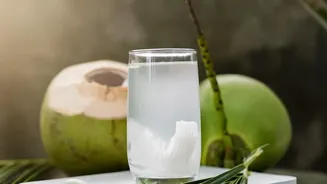
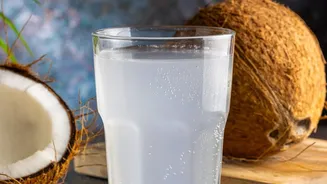
When it comes to pure, rapid hydration, coconut water often takes the lead. It is frequently called a natural sports drink because it's packed with electrolytes like potassium, magnesium, and calcium, which are crucial for replenishing fluids lost through
sweat. This makes it an excellent choice after light exercise or on a particularly hot day. Buttermilk, or chaas, is also a powerful hydrator, containing electrolytes like potassium and, notably, sodium, which is key for recovery after heavy sweating. While coconut water is known for its quick electrolyte boost, buttermilk is famed for its cooling properties that soothe the body and digestive system.
Nutritional Profile: A Tale of Two Drinks
A look at the nutritional data reveals key differences. Coconut water is significantly lower in calories, with about 18-46 calories per 100g compared to buttermilk's 60-98. However, buttermilk offers substantially more protein and calcium, making it a more filling and bone-strengthening option. Buttermilk is also a richer source of various B vitamins, including B12, and Vitamin D. Conversely, coconut water has a clear advantage in Vitamin C content. In terms of sugar, both are relatively similar per 100g, but it's important to consider the form; coconut water contains natural sugars, while sweetened buttermilk (lassi) can have much higher added sugar.
The Gut Health Factor: Probiotics Reign Supreme
Here, buttermilk has a distinct edge. As a fermented drink, it is a natural source of probiotics—live beneficial bacteria that are essential for a healthy gut microbiome. These probiotics aid digestion, enhance nutrient absorption, and can even bolster the immune system. Regular consumption of buttermilk can help balance gut flora and soothe the digestive tract, especially after a heavy or spicy meal. While fresh coconut water contains some enzymes, it does not offer the powerful probiotic benefits that make buttermilk a champion for digestive wellness.
The New Context: Packaged vs. Fresh and When to Drink
The “new context” for these traditional drinks lies in modern consumption habits. The choice is no longer just between a fresh coconut from a vendor and homemade chaas. Packaged versions are ubiquitous, but they come with caveats. Many commercial coconut waters contain added sugars, diminishing their health benefits. Similarly, pasteurised buttermilk loses its live probiotic cultures. Experts suggest that fresh is always best. The ideal time to drink them also differs. Coconut water is perfect for quick energy and rehydration, especially post-workout or on an empty stomach. Buttermilk is best consumed after meals to aid digestion.
Making the Right Choice for You
Ultimately, there is no single winner in the coconut water versus buttermilk debate. The better choice depends entirely on your personal needs and circumstances. If you need rapid, low-calorie rehydration after a run, coconut water is an excellent option. If you are looking for a more substantial, protein-rich drink that supports digestion and gut health, buttermilk is superior. For those concerned about calorie intake, unsweetened coconut water is the lighter choice. For individuals needing to replenish sodium after intense sweating, salted buttermilk (chaas) is more effective.