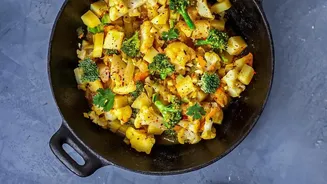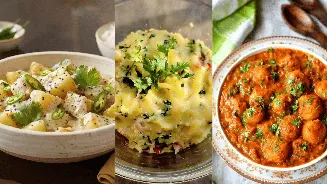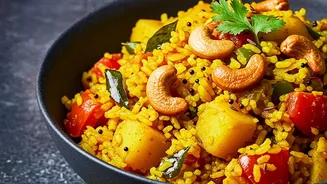



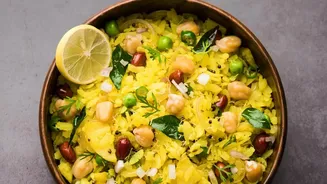
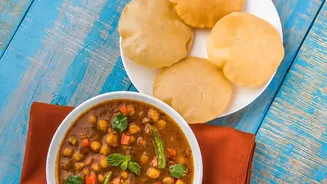
The Journey of the Aloo
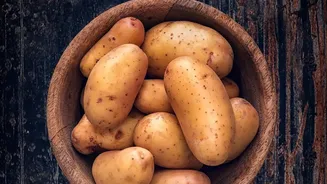
Before it became the heart of our samosas and the soul of our curries, the potato travelled a long way from its origins in the South American Andes. Introduced to India by Portuguese traders in the 17th century, it was initially a curiosity. However,
the British saw its potential as a high-yield crop and promoted its cultivation across the subcontinent. It didn't take long for this adaptable vegetable to find a welcoming home in India's diverse culinary landscape. From the mountains of the north to the coastal plains of the south, cooks embraced the 'aloo', transforming it into regional masterpieces that reflect local tastes, traditions, and histories. What makes the potato so special is its ability to absorb flavours, adapt to different cooking methods, and provide comfort and sustenance. It can be a simple side dish or the star of a feast, a street-food snack or a gourmet creation. On National Potato Day, we celebrate this journey and the delicious diversity it has inspired across the nation.
West: Mumbai's Heartbeat, the Batata Vada
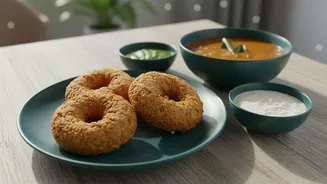
In the bustling streets of Maharashtra, the potato finds its most famous street-food expression: the Batata Vada. 'Batata' is the Marathi word for potato, a linguistic nod to the Portuguese 'batata' who first brought the tuber here. This iconic snack consists of a spiced mash of boiled potatoes, flavoured with ginger, garlic, green chillies, and mustard seeds. The mixture is rolled into balls, coated in a thick batter of gram flour (besan), and deep-fried to golden perfection. Crispy on the outside and fluffy on the inside, the Batata Vada is a masterclass in texture and taste. While delicious on its own with a side of chutney, it achieves legendary status when tucked inside a soft bread roll, or pav, to become the Vada Pav — Mumbai’s quintessential on-the-go meal. It’s a dish that transcends class, fuelling the city's fast-paced life and offering a taste of home to millions.
East: Bengal's Subtle Star, Aloo Posto
Travel east to West Bengal, and the potato transforms into something entirely different: Aloo Posto. This classic Bengali dish is subtle, nutty, and deeply comforting. It features potatoes cooked in a creamy, white paste of poppy seeds ('posto'). The history of this dish is uniquely tied to the region's colonial past. During the British Raj, vast tracts of land in Bengal were used for opium poppy cultivation for trade with China. This made poppy seeds, a by-product, widely and cheaply available. Legend has it that with other vegetables being scarce, a farmer's wife ingeniously used these leftover seeds to create a delicious dish with potatoes. Cooked with minimal spices, often just green chillies and a final drizzle of pungent mustard oil, Aloo Posto celebrates the pure flavour of its main ingredients. It is a staple in Bengali homes, a testament to culinary creativity born from historical circumstance.
North: The Crispy Sindhi Delight, Aloo Tuk
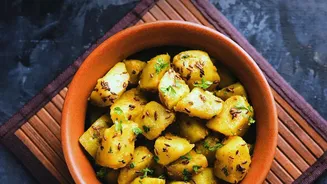
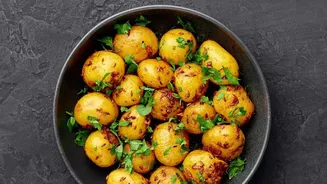
In the North, the Sindhi community offers a potato dish that is all about texture and robust flavour: Aloo Tuk. This isn't just a simple fry; it's a two-step process that results in an irresistibly crispy treat. Potatoes are first fried until they are soft on the inside. Then, they are removed, gently pressed to flatten them slightly, and fried a second time until they become perfectly golden and crisp. The hot, crunchy potatoes are then tossed in a mixture of dry spices, typically including red chilli powder, coriander powder, and tangy amchur (dry mango powder). The result is a snack that is crunchy, spicy, and utterly addictive. Aloo Tuk is often served as a side dish with Sindhi Kadhi and rice, providing a delightful textural contrast to the meal. It’s a celebratory dish, embodying the rich and hearty flavours characteristic of Sindhi cuisine.
South: The Soul of the Dosa, Aloo Masala
Head down to South India, and you'll find the potato nestled inside one of the region's most famous culinary exports: the Masala Dosa. The 'masala' in the name refers to the flavourful, spiced potato filling that gives this dish its identity. While the dosa itself has ancient origins, the practice of stuffing it with a potato mixture is a more recent innovation, widely attributed to the Udupi restaurants of Karnataka. The filling is a soft, savoury mash of boiled potatoes tempered with mustard seeds, curry leaves, onions, and green chillies, with turmeric giving it a beautiful yellow hue. This gentle, aromatic filling provides the perfect contrast to the crispy, fermented crepe that surrounds it. Served with sambar and coconut chutney, the Masala Dosa is a complete, satisfying meal enjoyed any time of day, showcasing the potato's ability to complement and elevate even the most iconic dishes.
Northeast: A Pungent Punch with Aloo Kangmet
In Northeast India, particularly in Manipur, the potato is celebrated in a simple yet intensely flavourful dish known as Aloo Kangmet or Aloo Pitika in Assam. This dish is a form of mashed potato, but with a distinctive local twist. Boiled potatoes are mashed and mixed with roasted or fried red chillies, raw chopped onions, fresh coriander, and a generous pour of pungent, raw mustard oil. The mustard oil is key, lending a sharp, peppery kick that is characteristic of the region's cuisine. It’s a no-fuss, rustic dish that packs a powerful punch of flavour. Often served as a side with rice and dal, Aloo Kangmet is a perfect example of how a few simple, well-chosen ingredients can create something truly memorable, highlighting the bold and direct flavour profiles of Northeastern food.