





The Watchdog's Renewed Bite
The Maharashtra Food and Drug Administration (FDA) has significantly intensified its oversight of food establishments across the state. Under the leadership of Commissioner Tukaram Mundhe, who took charge in May 2026, the agency has launched a sweeping
“Safe Food, Safe Maharashtra” campaign. This initiative involves rigorous, often unannounced, inspections of hotels, restaurants, bakeries, and even quick-commerce dark stores. The goal is simple but crucial: to enforce the Food Safety and Standards Act, 2006, and ensure that the food served to millions of citizens is safe for consumption. This crackdown has seen a dramatic increase in enforcement actions, with dozens of establishments receiving improvement notices and, more critically, many having their food business licences temporarily suspended. The message from the FDA is clear: non-compliance with safety norms will no longer be tolerated.
Common Reasons for Licence Suspension
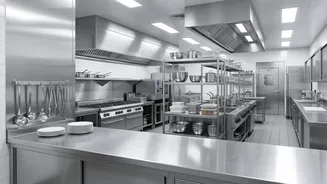
The violations leading to these suspensions are often alarming and go to the heart of kitchen hygiene and safety. Inspectors have consistently found serious lapses. Common issues include the presence of pests like live cockroaches and rats in kitchens, poor sanitation, and unhygienic food storage practices. For example, officials have documented vegetables being chopped near dirty toilets, raw food stored directly on floors, and improper segregation of raw and cooked items. Other frequent violations include using expired ingredients, repeatedly reheating cooking oil to dangerous levels, and employees failing to follow basic hygiene protocols. In some cases, establishments like a McDonald's outlet and the prominent Bombay Presidency Radio Club had their licences suspended for a combination of these issues, highlighting that no business, big or small, is exempt from scrutiny.
The Stakes for Businesses
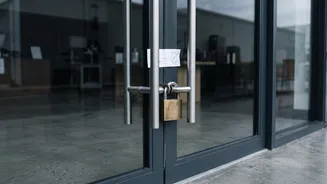
For a restaurant, a licence suspension is a severe blow. It means an immediate halt to all business operations—no manufacturing, storage, sale, or distribution of food is permitted. This results in significant financial losses, reputational damage, and a loss of customer trust that can be difficult to rebuild. The path to getting a licence reinstated involves correcting every violation cited in the inspection report and undergoing a re-inspection. Faced with this reality, many restaurants are now proactively hiring food safety consultants and third-party auditors to conduct mock inspections and overhaul their safety management systems. This rush to comply underscores the seriousness of the FDA's crackdown and the high cost of falling short of the standards.
Why This Matters for Consumers
While the crackdown presents a major challenge for businesses, it represents a significant win for public health. The violations uncovered, such as using foul-smelling paneer or having rodents in the kitchen, pose a direct risk of foodborne illnesses. The FDA’s actions are designed to protect consumers from these dangers. The intensified inspections serve as a powerful reminder that the food industry is accountable for the safety of its products. For diners, it encourages greater awareness. FDA Commissioner Tukaram Mundhe himself has advised the public to check for a displayed FSSAI license, observe the general cleanliness of an establishment, and be wary of dishes that seem excessively fatty or salty. This push for public vigilance complements the regulatory enforcement, creating a more robust food safety ecosystem.