






The Sound of Progress?
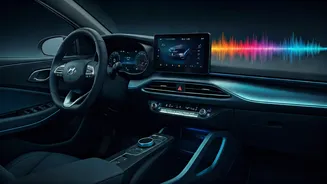
The idea of adding engine sounds to a silent EV might seem counterintuitive, but for Hyundai's high-performance N division, it's about preserving the soul of driving. The concept isn't just a vague idea; it’s already a reality in the acclaimed Hyundai Ioniq
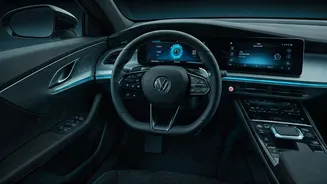
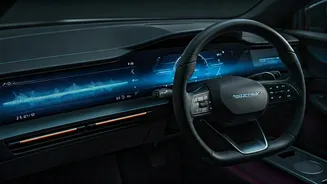
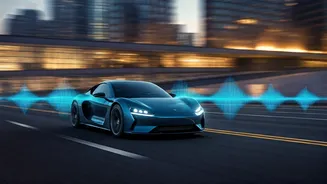
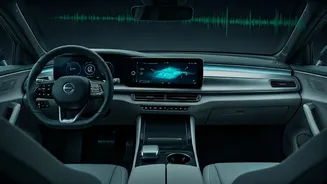
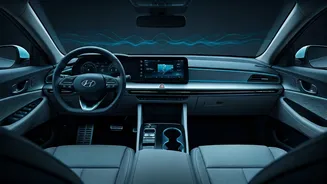
5 N. This performance EV uses a sophisticated system called N Active Sound+ in combination with N e-Shift to simulate the experience of driving a high-performance gasoline car. N Active Sound+ uses a 10-speaker system, with eight inside and two outside, to generate a range of sounds. One mode, called 'Ignition,' specifically mimics the sound of Hyundai’s turbocharged internal combustion engine (ICE) N models. Other sound profiles include futuristic sci-fi noises, but it's the replication of the classic engine that has captured the industry's attention. This isn't just about noise; it's about feedback.
More Than Just Noise
So, why go to all the trouble of faking it? According to Hyundai executives, it’s about driver engagement. For decades, performance driving has been a multi-sensory experience. The sound of an engine climbing through revs, the physical jolt of a gear change, and the vibrations felt through the chassis all provide crucial feedback to the driver. Electric motors, with their single-speed transmissions and silent, linear power delivery, eliminate these cues. Hyundai’s N e-Shift technology directly addresses this. It controls the motor's torque to simulate the kick of an eight-speed dual-clutch transmission, creating a sensation of upshifting and downshifting, complete with a virtual rev limiter. Albert Biermann, a key figure behind the N brand, challenged his engineers to recreate the driving fun of their ICE cars, and simulating gearshifts was a key breakthrough after early experiments with only sound and vibration felt insufficient.
Engineering Emotion
The technology has been so well-received that Hyundai is planning to push it even further. Manfred Harrer, Hyundai’s global head of R&D, recently stated that he wants to make the experience in next-generation N cars “even more realistic.” This could involve adding a simulated idle, the pops and bangs of an exhaust backfire, and even physical vibrations channeled through the car’s chassis to complete the illusion. The goal isn't to trick the driver into thinking they're in a gasoline car, but to restore the emotional and physical cues that enthusiasts love. As Harrer puts it, the N division is focused on being “fun to drive” rather than chasing sterile performance metrics. And the demos for this next-level system are reportedly already running.
A Gimmick or the Future?
While some purists may initially dismiss these features as gimmicks, the market is proving otherwise. The Ioniq 5 N has won numerous awards, with many reviewers praising the synthetic sounds and shifts for making the car genuinely more fun to drive. The success has been so notable that competitors who once criticized the idea are now developing their own versions. This shift suggests that as the EV market matures, manufacturers are looking for new ways to differentiate their products and create a distinct brand character. For performance divisions like Hyundai N, reintroducing sensory feedback isn’t about looking backward; it’s about defining what a performance EV should feel like. It's a bet that even in an electric future, the visceral thrill of driving still matters.