
Anatomy of a $60 Loaf
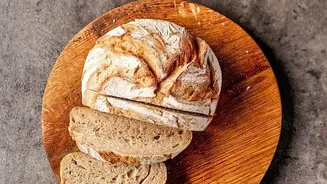
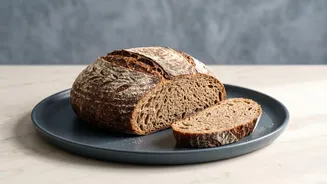
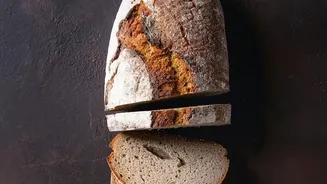
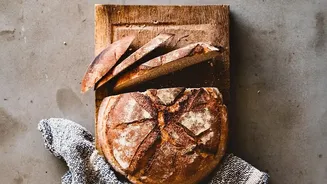
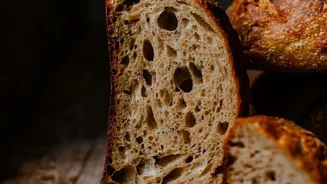
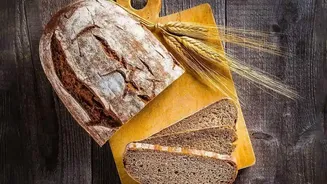
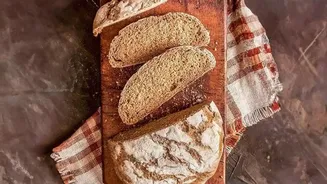
This isn't your average supermarket rye. The loaf in question comes from Rye by Martin Auer, the first U.S. outpost of a well-known Austrian bakery chain. The defense for the staggering price tag rests on four ingredients: water, salt, organic Austrian rye flour,
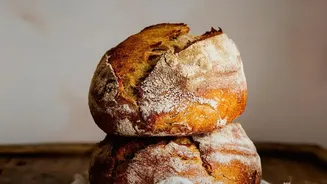
and time. Co-owner Tim Auer explains that the process involves a sourdough starter that is fed daily and a 24-hour fermentation period, a time-intensive technique that limits production and deepens flavor. Add to that the costs of importing specialty flour from Europe and paying rent in one of Manhattan's most expensive neighborhoods, and the price begins to make a certain kind of business sense. The loaf itself is also unusually large, weighing over three pounds, and is sold in whole, half, or quarter portions. For the bakery and its defenders, it’s not just bread; it’s a craft, a tradition, and a luxury good.
The View from the Supermarket Aisle
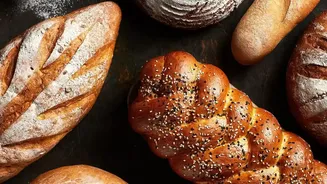
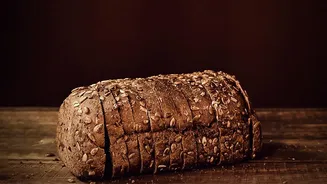
Of course, most Americans aren't buying their bread at a SoHo boutique. For the vast majority, bread is a staple, with the average loaf costing between $3 and $7. This is the world of industrial baking, a model built on volume, efficiency, and accessibility. Where the artisan loaf uses a multi-day fermentation process, a commercial loaf is often produced in a few hours using commercial yeast. Where the artisan baker might use expensive, lower-yield heritage grains, the industrial baker uses commodity wheat that costs pennies on the pound. The ingredient costs for a standard loaf can be less than a dollar. The goal isn't to create a unique culinary experience but to reliably stock shelves across the country with an affordable, consistent product. It's a fundamentally different mission, creating two parallel universes for what is, at its core, the same food.
A Tale of Two Food Systems
The $60 loaf is a potent symbol of a much larger trend: the growing stratification of the American food system. On one side, there's a world of farmers' markets, Whole Foods, and high-end bakeries, where food is intertwined with identity, story, and wellness. In this sphere, consumers are willing to pay a premium for organic ingredients, heirloom varieties, and skilled craftsmanship. On the other side is a system focused on caloric efficiency and affordability, dominated by fast food, dollar stores, and highly processed grocery items. Studies have consistently shown a widening gap in diet quality between high- and low-income Americans. While healthier eating has improved among the affluent, it has stagnated for everyone else. This isn't just about a lack of access to supermarkets; research indicates it's deeply tied to differences in income, education, and nutritional knowledge, creating a nutritional divide that perpetuates health inequalities.
When Bread Becomes a Status Symbol
Ultimately, the outrage and fascination over the $60 loaf isn't just about money. It’s about what food has come to represent. For those who can afford it, buying this bread is about more than sustenance. It's an experience, a statement of values, and a way to participate in a culture that prizes craft and authenticity. It aligns the consumer with a story of tradition and quality. But for millions of others, the viral sensation is a stark reminder of a world they are priced out of, where even the concept of "good food" feels like an unattainable luxury. The debate highlights a tension in American culture: we celebrate innovation and high-end craft, but we also cherish the democratic ideal of accessibility. The loaf forces a question that goes beyond its price tag: when a basic human staple becomes a luxury good, what does that say about the society that consumes it?