







A Fasting Favourite
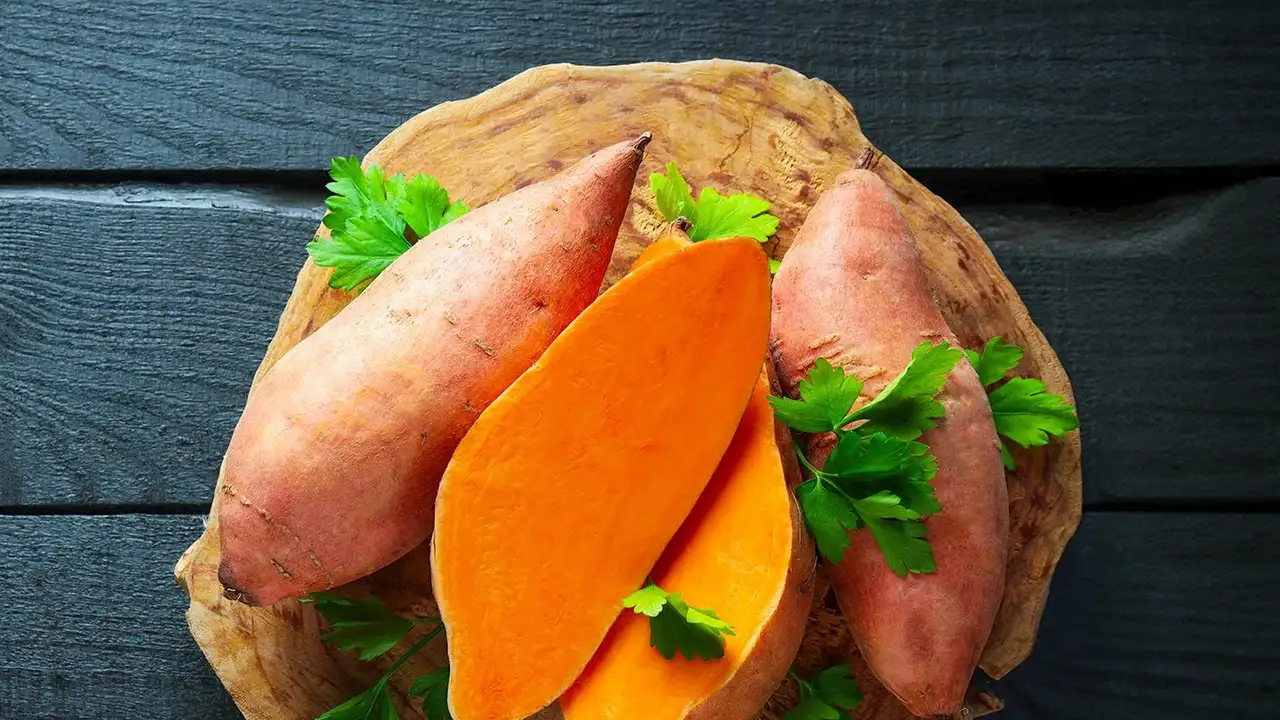
Navratri is a time of devotion, celebration, and for many, fasting. The dietary observances, or 'vrat', mean abstaining from regular grains, salt, and certain spices. This is where the humble sweet potato, or shakarkandi, shines. Naturally sweet, starchy,
and packed with energy, it's an ideal food for fasting. Turning it into a 'chaat' transforms it from a simple tuber into a delightful dish that satisfies cravings for something savoury, tangy, and spicy. The beauty of this recipe lies in its simplicity and its use of vrat-friendly ingredients, making it a guilt-free indulgence that keeps you full and energised.
Gather Your Vrat-Friendly Ingredients
This recipe uses ingredients commonly permitted during Navratri fasts. However, customs can vary, so feel free to omit anything your family avoids. Sweet Potatoes (Shakarkandi): 2 large (about 500 grams) Ghee or Oil: 1 tablespoon for pan-frying (optional, for a crispy texture) Sendha Namak (Rock Salt): To taste. This is the prescribed salt for fasting. Black Pepper Powder: ½ teaspoon, freshly ground for better flavour. Roasted Cumin Powder (Bhuna Jeera): 1 teaspoon. Lemon Juice: 2 tablespoons, freshly squeezed. Green Chillies: 1-2, finely chopped (adjust to your spice preference). Fresh Coriander Leaves: A generous handful, chopped for garnish. Pomegranate Seeds: ¼ cup, for a juicy, crunchy topping. Roasted Peanuts: 2 tablespoons, coarsely crushed (optional, for extra crunch).
Cooking the Sweet Potatoes
The foundation of this chaat is perfectly cooked sweet potato. You want them to be tender but not mushy, so they hold their shape. There are a few methods to choose from: Boiling or Steaming: Place the washed sweet potatoes in a pot with enough water to cover them and boil until a knife inserted passes through easily. Alternatively, pressure cook for 2-3 whistles. This is the quickest method. Roasting or Pan-Frying: For a crispier, slightly smoky flavour, you can roast the sweet potatoes. After boiling and peeling, chop them into cubes. Heat a little ghee in a pan and sauté the cubes until they are golden brown and slightly crisp on the edges. * Air-Frying: For a modern, low-oil approach, you can air-fry the boiled and cubed sweet potatoes. Toss them in a little oil, sprinkle with rock salt and pepper, and air-fry at 180°C for about 15-20 minutes until crisp. Once cooked, allow the sweet potatoes to cool slightly before peeling and chopping them into bite-sized cubes.
Assembling Your Chaat
This is the fun and easy part where all the flavours come together. In a large mixing bowl, gently combine the warm sweet potato cubes with the spices: sendha namak, black pepper powder, and roasted cumin powder. Drizzle the fresh lemon juice over the top. Add the finely chopped green chillies. Give everything a gentle toss to ensure the sweet potato cubes are evenly coated with the spices and lemon juice. Be careful not to mash the potatoes. Transfer the mixture to a serving dish. Just before serving, garnish generously with fresh coriander leaves, pomegranate seeds, and crushed roasted peanuts if you are using them. The combination of colours, textures, and flavours is what makes this dish so appealing.
Variations and Serving Suggestions
While the basic recipe is delicious on its own, you can easily adapt it. For a creamier version, top the chaat with a dollop of well-beaten yoghurt (dahi), which adds a lovely cooling contrast. You can also add other fasting-friendly ingredients like chopped cucumber for freshness. If you have vrat-friendly green chutney (made with coriander, mint, green chillies, and rock salt) or a sweet tamarind chutney on hand, a drizzle of each can elevate the chaat to another level. The key is to assemble the chaat just before serving to maintain the different textures, especially if you're using yoghurt or chutneys.