







The Power Inside Peppermint
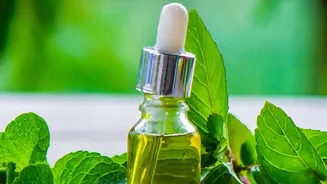
Peppermint oil is a concentrated extract from the peppermint plant, and its primary active component is menthol. Menthol is what gives peppermint its characteristic cooling sensation, sharp scent, and many of its therapeutic properties. It’s used in everything
from toothpaste to muscle rubs for its ability to soothe and create a cooling feeling on the skin. This same potency, however, is what makes it a significant irritant, especially to sensitive areas. When applied to the skin, even diluted peppermint oil can cause irritation or, in rare cases of high concentrations, chemical burns. It is this powerful, volatile nature that requires careful handling.
What Happens When Menthol Meets the Eye
The surface of the eye, the cornea, is an incredibly delicate and sensitive tissue. When peppermint oil or a menthol preparation makes direct contact, it can cause immediate and intense effects. These include a severe burning or stinging sensation, redness, and excessive tearing as the eye tries to flush out the irritant. In some cases, direct exposure can lead to a chemical burn on the cornea. This can result in blurred vision, sensitivity to light, and in severe instances, lasting damage to the eye's surface. Even the fumes from a highly concentrated peppermint preparation can cause significant irritation, though direct contact is far more dangerous.
Safely Using a Peppermint Compress
Using a peppermint compress for headache relief can be effective, but safety is paramount. The goal is to benefit from the cooling vapors and mild skin absorption without risking eye contact. First, always dilute the peppermint essential oil. A safe ratio is a few drops mixed into a bowl of cool water. Never apply undiluted oil to the compress. Soak a clean cloth in the diluted water, wring it out thoroughly so it is damp but not dripping, and then fold it. Apply the compress to your forehead, keeping it well clear of your eyes. Never place it directly over your eyelids. When you are finished, wash your hands thoroughly with soap and water to remove any residual oil before you touch your face or eyes.
First Aid for Accidental Exposure
Accidents can happen. If peppermint oil or a compress solution splashes into your eye, you must act immediately. The most critical step is to flush the eye with clean, lukewarm running water for at least 15-20 minutes. Do not use milk or any other substance; poison control centres recommend water as the primary flushing agent. Hold your eyelids open to ensure the water thoroughly irrigates the entire surface of the eye. If you wear contact lenses, remove them as soon as you can while continuing to flush. Do not rub the eye, as this can worsen the irritation and potentially cause more damage to the cornea.
When to See a Doctor
While thorough rinsing can often resolve minor exposure, some symptoms warrant immediate medical attention. You should see a doctor or go to an urgent care centre if you experience persistent pain, changes in vision or significant blurriness that doesn't resolve after rinsing, extreme redness, or the feeling that something is still in your eye. These could be signs of a corneal abrasion or chemical burn that requires professional medical treatment to prevent infection and long-term damage. It's always better to be cautious and seek a professional opinion if symptoms continue or worsen.