





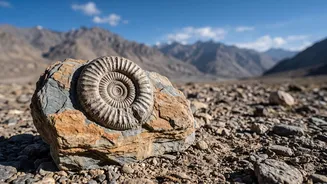
A Discovery High in the Himalayas
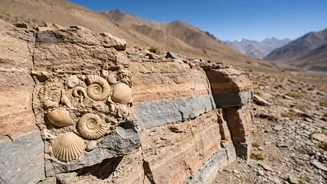
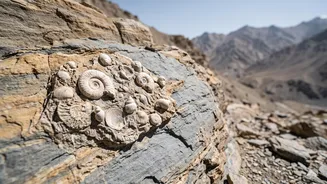
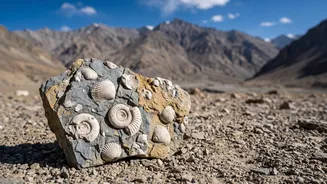
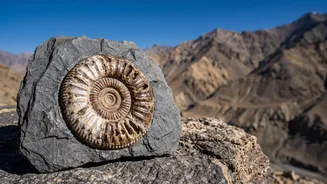
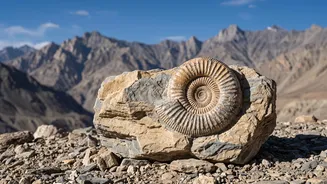
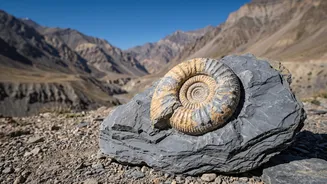
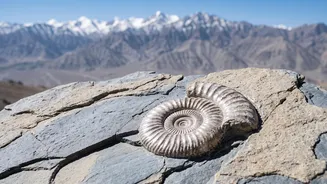
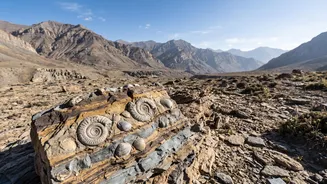
In the arid, cold desert of Nyoma in Ladakh's Changthang region, thousands of metres above sea level, geologists have unearthed a remarkable collection of marine fossils. A team led by Dr. Ritesh Arya, founder of the Tethys Fossil Museum, discovered an assemblage
of well-preserved gastropods (snail-like molluscs), bivalves, and oyster-like forms. Preliminary analysis suggests these fossils are approximately 34 to 38 million years old, placing them squarely in the Eocene epoch. The discovery is significant because it suggests the ancient sea that once covered this region extended further east into Ladakh than previously thought, providing new clues about the area's dramatic geological past.
Welcome to the Eocene Epoch
To understand the importance of these fossils, we must travel back in time to the Eocene, a geological epoch that lasted from about 56 to 34 million years ago. The Eocene was a 'greenhouse' world, significantly warmer than today, with little to no ice at the poles and global temperatures that supported lush forests and diverse life. During this period, the world’s continents were still moving towards their current positions. Most importantly for India, the landmass was in the final stages of a long journey north after breaking away from the supercontinent of Gondwana. The fossils found in Ladakh are messengers from this bygone era, providing a tangible link to the environment of this ancient, warmer world.
The Lost Tethys Ocean
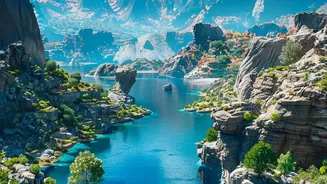
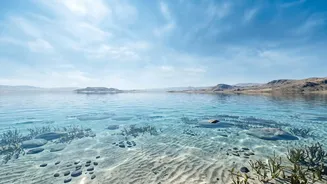
The marine fossils of Ladakh once lived and died in a vast body of water called the Tethys Ocean. This ancient sea separated the northward-drifting Indian plate from the Eurasian plate. For millions of years, the floor of the Tethys accumulated sediment, along with the shells and remains of countless marine organisms. As the Indian plate continued its relentless push north, the Tethys Ocean began to shrink. The discovery of these fossils in Ladakh is geological proof that the area was once a shallow, near-coastal part of this ancient ocean. The types of fossils found—gastropods and bivalves—point to a thriving, warm, shallow marine environment, a stark contrast to the icy desert found there today.
A Timeline for a Tectonic Collision
The age of these fossils is what makes them so critical to understanding the formation of the Himalayas. The 38-million-year-old date provides a crucial timestamp. It helps scientists pinpoint when the Tethys Ocean finally disappeared from this region, squeezed out of existence by the colossal collision of the Indian and Eurasian tectonic plates. This monumental geological event buckled the Earth's crust, thrusting the former seabed upwards over millions of years to create the towering Himalayan mountain range. The presence of these fossils at such high altitudes is a direct result of the immense tectonic forces that lifted the ocean floor to the roof of the world. Along with marine life, scientists have also found fossil palms and other plant remains, painting a picture of a warm, subtropical, coastal landscape.
Reconstructing an Ancient Environment
This is precisely why the Eocene environment is so important to these fossils. The fossils are not just relics; they are data points that allow scientists to reconstruct the past with incredible detail. By studying the specific species found and the sediment they were preserved in, researchers can infer the water's temperature, depth, and salinity. The similarity of these fossils to those found in the Subathu Formation in Himachal Pradesh helps connect the dots, showing the vast extent of this Eocene sea. These tiny shells tell a grand story of a warm, vibrant marine ecosystem that existed just before one of Earth's most significant mountain-building events. They are a window into a lost world, reminding us how dynamic our planet is and how drastically landscapes can change over geological time.