

The Science of the Summer Skies
The period from May to September is considered the prime season for one simple reason: the weather is at its most reliable. Summer in the Alps brings longer daylight hours and, most importantly, consistent thermal activity. Thermals are columns of rising
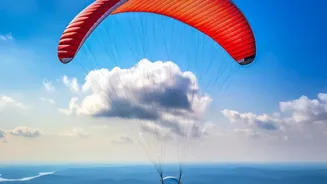
warm air created when the sun heats the ground. For paragliders, these invisible elevators are the engines that allow for long, high-altitude flights, turning a simple descent into a majestic soaring experience. During the core summer months of June through August, these thermals are at their strongest, allowing pilots to reach high cloud bases, often above 3,000 metres. In contrast, winter air is often smooth but the thermals are weak and the days are short, limiting flight times significantly.
A Landscape of Green and Blue
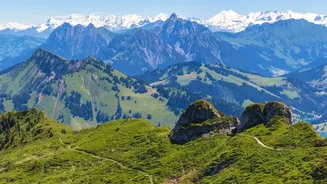
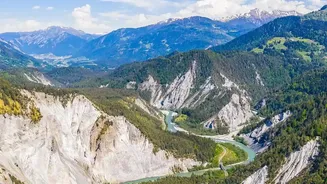
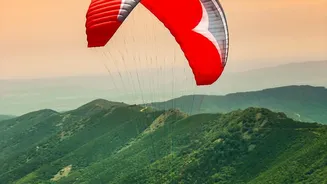
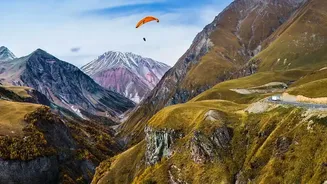
Beyond the meteorological advantages, the summer landscape transforms the Alps into a paraglider's paradise. The winter snow has melted from the valleys and mid-mountain slopes, revealing vibrant green meadows and making launch and landing sites accessible and safer. The lakes, no longer frozen, shimmer in brilliant turquoise, offering breathtaking views from above. This accessibility is crucial, as many take-off spots are reached via mountain lifts or roads that may be closed during the winter. While flying over a snow-covered winter wonderland has its own unique charm, the summer offers a more classic and accessible experience, especially for beginners. The warmer temperatures also make for a more comfortable flight, with many pilots able to fly in just a t-shirt on sunny days.
Prime Destinations for Your First Flight
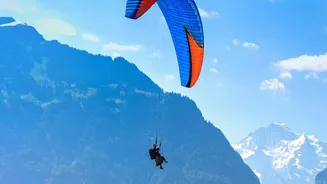
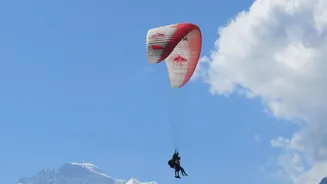
The Alps are dotted with world-renowned paragliding spots. Interlaken in Switzerland, nestled between two brilliant lakes and below the iconic peaks of the Eiger, Mönch, and Jungfrau, is a hub for tandem flights and offers year-round opportunities, though summer is peak season. Chamonix in France, at the foot of Mont Blanc, provides some of the most dramatic mountain scenery imaginable. Meanwhile, Austria offers incredible flying sites like the Zillertal valley and Stubai, which are celebrated for their beauty and suitability for learning cross-country flying. For beginners, many schools in these regions recommend morning or evening flights when the air is calmer, as midday thermals in summer can be powerful and turbulent.
Flying on the Edges of the Season
While summer is ideal, the shoulder months of spring (April-May) and autumn (September-October) have their own appeal. Spring offers beautiful scenery with snow still on the peaks while green returns to the valleys. The thermals can be strong and punchy as the sun's intensity grows, providing dynamic flying, though conditions can also be less predictable. Autumn is often considered a hidden gem, with the summer crowds gone, the air still warm, and the forests turning into a spectacular display of red and gold. The main drawback of the shoulder seasons is that the weather windows become shorter and less reliable as the days shorten and temperatures drop.
What Beginners Need to Know
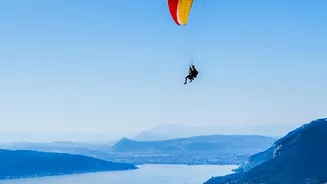
If you are new to the sport, the best and safest way to experience Alpine paragliding is with a tandem flight. You will be securely harnessed to a certified professional pilot who handles all the controls, from take-off to landing. This allows you to simply enjoy the incredible sensation of flight and the stunning views. No prior experience is needed. Operators in all major hubs like Annecy, Interlaken, and Chamonix offer tandem flights. Always choose a reputable, certified operator that prioritizes safety and has a transparent policy about cancelling flights due to poor weather. While the sport is statistically much safer than its perception, especially for tandem flights, this safety record is built on the foundation of professional pilots making smart decisions about when it is safe to fly.