


The Potato’s Secret Weapon: Starch
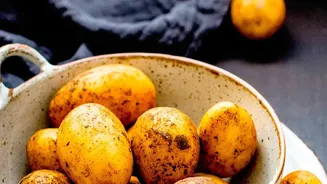
The magic lies in the potato's structure. Potatoes are packed with starch granules. When you cook them, especially with heat and moisture, these granules swell and absorb the surrounding liquid. Think of them as millions of microscopic sponges eagerly
soaking up water, broth, and, most importantly, all the spices and salt you've added to the dish. Starchy, floury potatoes are particularly good at this, which is why varieties like Russets or the common Sebago are excellent for flavour absorption. When heat is applied, the cell walls soften, making the potato's interior even more receptive to the flavours you introduce, turning a bland tuber into a carrier of immense taste.
Why Delicate Vegetables Differ
Now, consider more delicate vegetables like zucchini, spinach, or bell peppers. These vegetables have a much higher water content and less starch. When cooked, they tend to release their own moisture, which can dilute seasonings rather than absorb them. Their cell walls break down quickly, often leading to a softer or even mushy texture that doesn't hold onto external flavours with the same tenacity. Salting them too early can draw out even more water, creating a barrier that prevents spices from penetrating. While these vegetables are delicious in their own right, their structure is designed more for a quick cook that preserves their fresh taste, not for a deep infusion of complex masalas.
Maximising Flavour With Smart Techniques
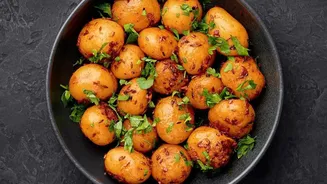
To truly take advantage of the potato's absorbent nature, a few simple techniques can make a world of difference. Par-boiling potatoes in heavily salted water before roasting or frying is a game-changer. The hot, salty water seasons the potato from the inside out. Once par-boiled, roughing up the surface with a fork creates more nooks and crannies for spices and oil to cling to, resulting in a crispier, more flavourful exterior. Another method is to cut potatoes into smaller, uniform pieces. This increases the surface area, giving the seasonings more potato to interact with. For stews and curries, adding potatoes allows them to slowly simmer and soak up the gravy, becoming tender, flavour-packed bites. The classic Fondant potato technique, where potatoes are baked in broth and butter until they absorb all the liquid, is a perfect example of this principle in action.
A Perfect Canvas for Indian Spices
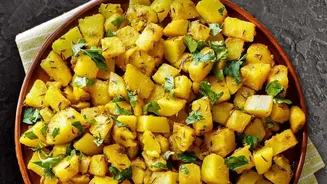
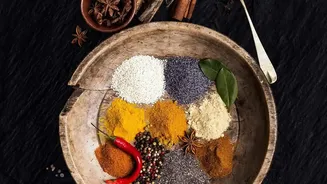
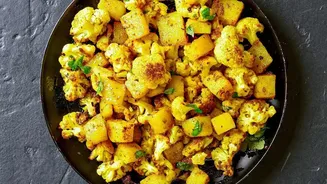
In the context of Indian cooking, this quality makes the potato an indispensable ingredient. Its relatively neutral taste provides a perfect backdrop for the bold, complex flavours of turmeric, cumin, coriander, and garam masala. Whether it’s a spicy Aloo Tikki, a rich Dum Aloo where the potatoes are simmered in a yogurt and spice-based gravy, or a simple Jeera Aloo, the potato’s ability to soak up every drop of flavour is key to the dish’s success. While some flavour molecules mostly coat the exterior, salt and water-soluble compounds penetrate deeper, especially during slow cooking. This allows the potato to not just be a part of the curry, but to become a flavourful star in its own right, delivering a satisfying and aromatic punch with every bite.