

More Than Just Garnish
Starting a herb garden is about more than just having fresh ingredients on hand. It's a simple act that offers a surprising number of benefits. For one, the flavour of freshly picked herbs is far superior to their store-bought counterparts. This immediate
access encourages more creative and flavourful home cooking, potentially saving you money in the long run. Beyond the kitchen, the act of nurturing plants is a well-known stress reliever, offering a therapeutic break from daily routines and digital screens. Tending to a garden, no matter how small, provides light physical activity, fresh air, and a sense of accomplishment. It also serves as a beautiful, natural addition to your home decor, purifying the air and adding a touch of green to your balcony or kitchen.
Your Starter Pack of Indian Herbs
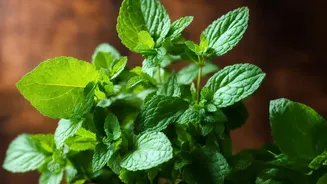
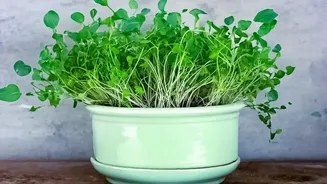
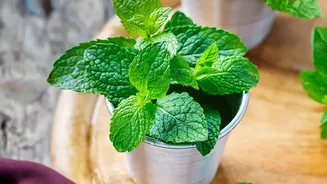
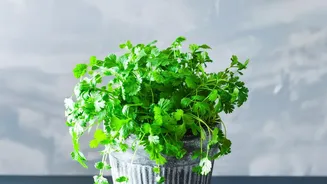
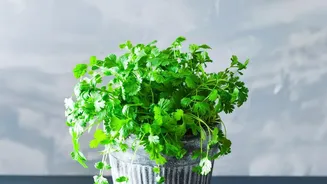
For beginners, it's best to start with herbs that are hardy and frequently used in Indian cuisine. Here are a few excellent choices: Tulsi (Holy Basil): Revered in Indian households, Tulsi is incredibly easy to grow and requires minimal care. It thrives in sunlight, and its leaves are perfect for teas and remedies, especially for coughs and colds. Mint (Pudina): Known for its vigorous growth, mint is perfect for chutneys, raitas, and refreshing drinks. It's so resilient that it's best to grow it in its own pot to prevent it from taking over. Coriander (Dhaniya): No Indian kitchen is complete without coriander. While it can be slightly tricky because it prefers cooler temperatures, growing it in batches ensures a constant supply for garnishing curries and dals. Curry Leaves (Kadi Patta): A staple for tempering, the curry leaf plant is a must-have. It's easy to maintain, loves a sunny spot, and provides an authentic flavour that dried leaves cannot match. * Lemongrass: This fragrant herb is wonderful for teas and adding a zesty, citrus note to soups and curries. It’s hardy and grows well in pots.
The Essential (and Minimal) Toolkit
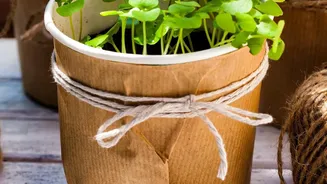
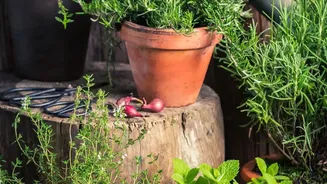
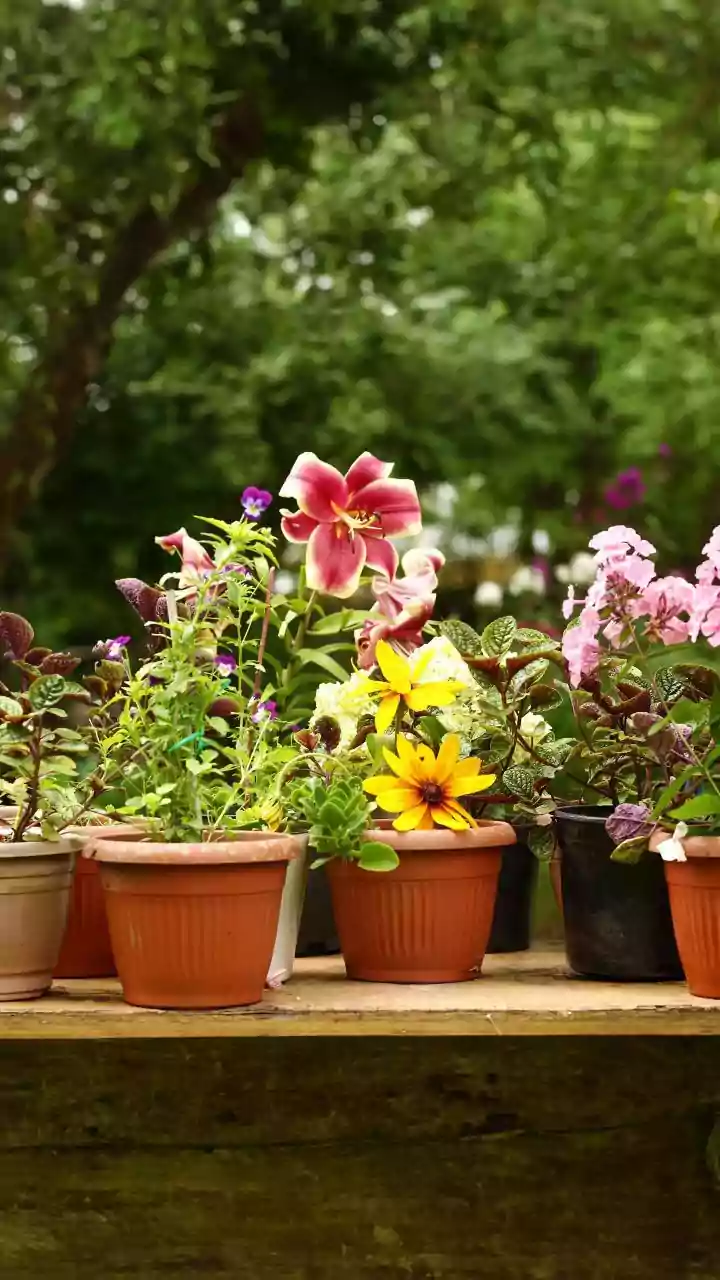
The 'low-barrier' aspect of a herb garden means you don't need a lot of expensive equipment. Here’s what you'll need to get started: Containers: Terracotta or ceramic pots with drainage holes are ideal. They prevent water from logging at the bottom, which is a common cause of plant failure. You can even start with repurposed containers, as long as they have holes for water to escape. Soil: Avoid using heavy garden soil. Instead, opt for a light, well-draining potting mix. You can find this at any local nursery. A good mix often contains soil, compost, and sand or perlite, which helps air reach the roots. Sunlight: Most herbs need at least four to six hours of sunlight per day. A south-facing window, balcony, or terrace is perfect. For herbs like mint that tolerate less sun, an east-facing window with morning light will suffice. Water: A small watering can or even a repurposed bottle will do the job perfectly.
Planting and Basic Care
Once you have your supplies, fill your pots with the potting mix. If you're using seeds, sow them according to the packet instructions, generally not too deep. If you've bought starter plants from a nursery, gently place them in the pot and fill the surrounding space with soil. Water them right after planting. The golden rule of watering is to check the soil first. Water only when the top inch feels dry to the touch. Overwatering is a more common mistake than underwatering. Ensure you're watering the base of the plant, not the leaves, to prevent fungal issues. Rotate your pots every few weeks so that all sides of the plant get even sunlight.
Harvesting for a Bushier Plant
The best part about growing herbs is harvesting them. Regular trimming is not just for cooking; it encourages the plant to grow bushier and produce more leaves. Once your plant is established, don't be shy about snipping off what you need. For leafy herbs like basil, mint, and coriander, pinch off the top leaves. This encourages the plant to branch out. For herbs like curry leaves, you can pluck individual leaves as needed. Regular harvesting prevents the plants from flowering (a process called bolting), which can sometimes make the leaves taste bitter. It's a win-win: you get fresh flavours for your food, and your plant becomes healthier and more productive.