




The Green Purifier Myth
The popular belief that houseplants are nature's air filters can be traced back to a landmark 1989 NASA study. Researchers, looking for ways to clean the air in sealed space stations, found that common indoor plants could remove volatile organic compounds
(VOCs) like formaldehyde and benzene from small, sealed chambers. This finding was scientifically sound but was quickly and widely applied to the context of the average home, which operates very differently from a sealed lab environment. The idea took root, and for decades, species like spider plants, peace lilies, and snake plants were championed not just for their beauty, but for their supposed power to scrub pollutants from our living rooms and bedrooms.
What the Science Says Now
More recent analyses have put this popular belief to the test, and the results are sobering. While plants do absorb VOCs, their effect in a typical home or office is practically negligible. The problem lies in scale and ventilation. Our homes are not sealed chambers; they have constant air exchange from windows, doors, and ventilation systems, which dilutes pollutants far more effectively than a few plants can. A 2019 review of decades of research concluded that to have a significant impact on indoor air quality, you would need a staggering number of plants—somewhere between 10 and 1,000 plants per square meter of floor space. To put that in perspective, you would need to place roughly 680 plants in a 1,500-square-foot home to achieve meaningful air purification. So, while your monstera is a stunning living sculpture, it isn't working as an air filter.
More Than Just Pretty Leaves
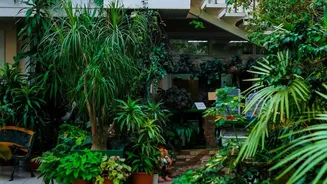
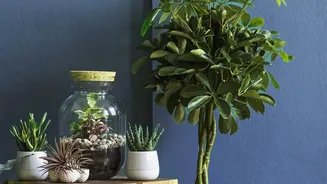
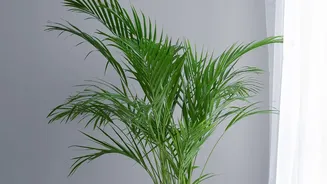
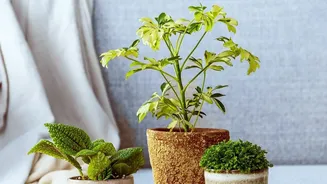
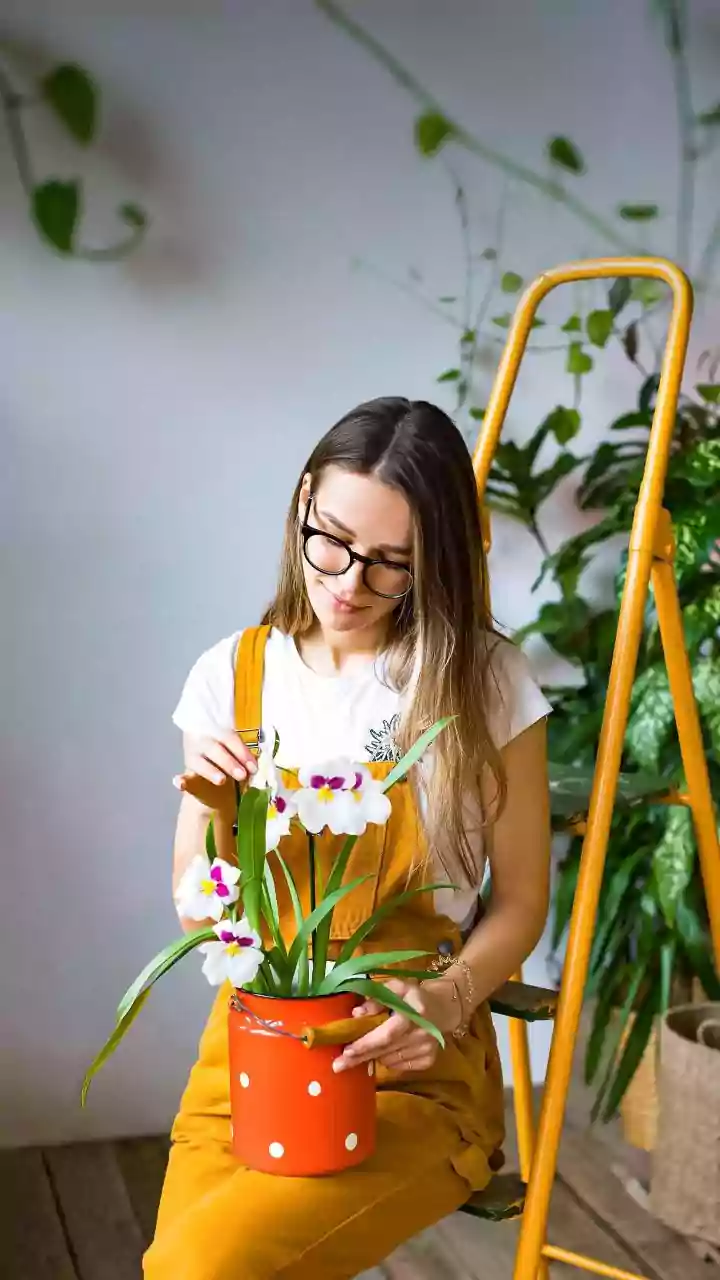
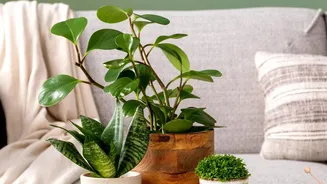
But this doesn't mean you should give up on houseplants. Far from it. The focus has simply shifted from an overstated air quality claim to their many other proven benefits. In recent years, home decor trends have embraced houseplants not as tools, but as essential design elements. Leading into 2026, the trend is moving away from random collections toward using plants with intention. Large, sculptural plants are being used as architectural features to anchor a corner or define a space, much like a piece of furniture or art. There's a growing appreciation for foliage, texture, and form over fleeting blooms, turning plants into long-term living decor that adds character and comfort to a room.
A Proven Boost for Well-Being
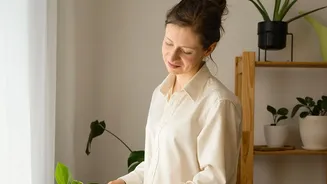
Beyond aesthetics, the most significant benefits of keeping plants indoors are psychological. Numerous studies have shown that interacting with indoor plants can reduce both physiological and psychological stress. One study found that active interaction with plants can suppress the body's stress response, lowering blood pressure and promoting feelings of comfort and calm. Simply being around greenery can improve your mood and help you de-stress. The act of caring for a plant—watering it, watching it grow—provides a sense of purpose and a gentle connection to the natural world, which can be particularly grounding in our busy, digitally-focused lives. These mental health benefits are real, measurable, and perhaps far more valuable than any marginal effect on air quality.