




The Sweet Allure of Cocoa
The trend isn't without some scientific basis. Pure cocoa powder is packed with antioxidants called flavonoids. These powerful compounds help protect the skin from free radical damage, which contributes to premature ageing. Some studies suggest that the compounds in cocoa can
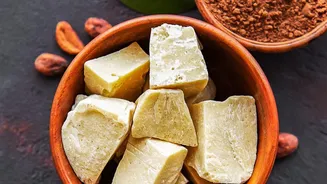
soothe inflammation, boost collagen production, and even offer some protection against UV damage. Cocoa butter, a rich fat derived from the cacao bean, is an excellent emollient that hydrates and nourishes the skin by forming a protective barrier to prevent moisture loss. Given these benefits, it’s easy to see why chocolate has made its way from the dessert menu into our skincare routines.
The Problem with Chocolate Bars
The issue arises when DIY recipes call for melting down a standard chocolate bar. Commercial chocolate isn't just cocoa. It’s a mix of cocoa, sugar, milk solids, and other fats. For those with sensitive or acne-prone skin, these extras are the real culprits. High-glycemic foods, particularly sugar, can cause blood sugar spikes that lead to inflammation and increased sebum (oil) production, potentially worsening acne. Dairy is another well-known trigger for some individuals, with studies suggesting a link between milk consumption and breakouts. While the evidence isn't conclusive for everyone, dermatologists often advise patients with acne to be mindful of their intake of sugary foods and non-fat dairy.
Is Pure Cocoa Powder a Safer Bet?
Using 100% unsweetened cocoa powder is a much better option than a melted candy bar. This eliminates the added sugar and dairy. You can create a simple mask by mixing pure cocoa powder with a gentle base like plain yogurt or honey. However, even pure cocoa can present challenges. Some dermatologists note that the particles in cocoa powder might be too large to offer significant benefits beyond gentle exfoliation. More importantly, anything you put on your skin carries a risk of irritation. Natural doesn't always mean safe, and even 'pure' ingredients can cause reactions on sensitive skin.
How to Indulge Safely
If you’re still determined to give a chocolate-based mask a try, the golden rule is to patch test first. Apply a small amount of the mixture to a discreet area of skin, like your inner arm or behind your ear, and wait 24 hours to see if any redness, itching, or irritation develops. For those with acne-prone skin, using only oil-based DIY products like cocoa butter can also be problematic, as they may clog pores without providing the necessary hydration. A balanced approach is key. Instead of a heavy mask, consider a lighter application or look for professionally formulated products that contain cocoa extract, which deliver the antioxidant benefits without the risks of a homemade concoction.
When to Choose Professional Products
While DIY skincare can be fun and affordable, it comes with risks. Homemade products lack preservatives, which can allow bacteria to grow. The pH levels of kitchen ingredients like lemon juice or baking soda can disrupt your skin's natural barrier, causing significant irritation. For those with persistent skin concerns like acne or sensitivity, it's often safer and more effective to use products developed and tested by scientists. These formulations are designed to be stable, effective, and safe for their intended use, harnessing the benefits of ingredients like cocoa in a controlled way that minimizes the chance of a negative reaction.