




More Than Just Water
Iceland is home to an estimated 10,000 waterfalls, a number so vast it seems almost mythical. This incredible abundance is due to a perfect storm of geography and climate: a mountainous landscape, heavy rainfall, and the constant meltwater from ancient
glaciers. The result is a country where you can hardly drive a few kilometres without spotting a cascade tumbling down a cliffside. But it's not the quantity that truly matters; it's the sheer diversity and character of these falls. Each one offers a unique personality, from thunderous torrents that make the ground tremble to delicate veils of water trickling over moss-covered lava fields. They are the primary storytellers of Iceland's geological drama.
Gullfoss: The Golden Giant
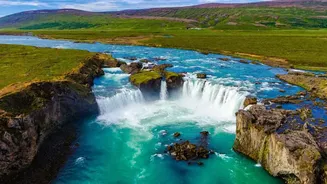
No discussion of Icelandic waterfalls is complete without Gullfoss, the “Golden Falls.” As a star attraction of the popular Golden Circle route, this is often a visitor's first taste of Iceland's raw power. The Hvita river, fed by the Langjökull glacier, doesn't just drop once; it plunges in two successive stages into a rugged canyon, creating a spectacle of immense force and sound. On sunny days, the glacial sediment in the water gives it a golden hue, and a rainbow almost always crowns the immense spray. Gullfoss isn't just a sight to behold; it's an experience that makes you feel the immense, untameable power of nature.
Seljalandsfoss: The Walk-Behind Wonder
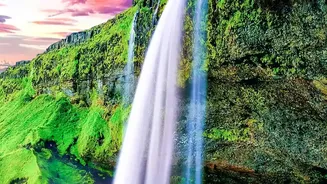
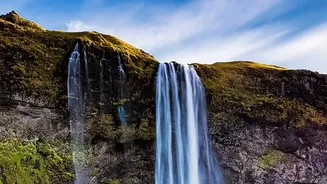
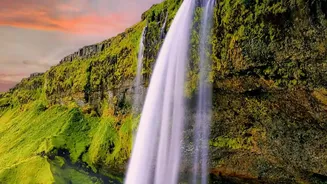
Seljalandsfoss offers one of the most unique and immersive travel experiences in the world. This graceful 60-metre cascade has a path that allows visitors to walk directly behind the curtain of water. It’s a moment straight out of a fantasy novel, offering a 360-degree perspective that is as thrilling as it is beautiful. Feeling the spray on your face and hearing the roar of the water from inside a hidden cavern is an unforgettable sensation. A short walk away, the hidden gem Gljúfrabúi awaits, tucked away inside a canyon, rewarding the curious traveller who wades through a small stream to find it.
Skógafoss: The Picture-Perfect Powerhouse
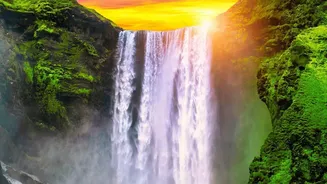
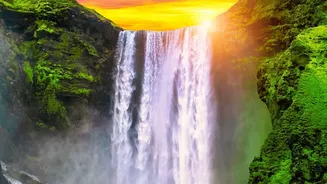
With its classic, rectangular shape and powerful, 60-metre drop, Skógafoss is the definition of a picture-perfect waterfall. Located on Iceland's South Coast, its sheer curtain of water is so wide and forceful that it consistently produces a single or even double rainbow on sunny days. According to legend, a Viking settler named Þrasi Þórólfsson buried a chest of treasure in a cave behind the falls. Visitors can walk right up to its misty base or climb a 527-step staircase to a viewing platform at the top for breathtaking views of the coastline.
Kirkjufellsfoss: The Photographer's Dream
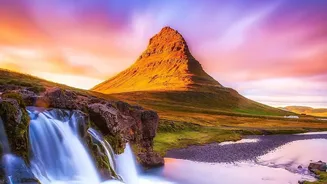
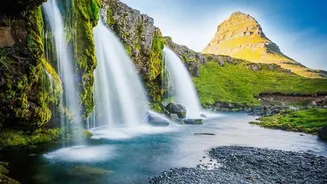
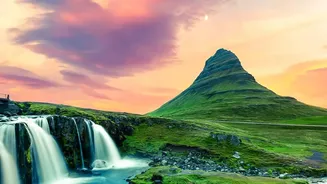
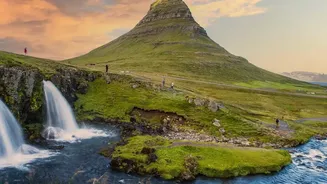
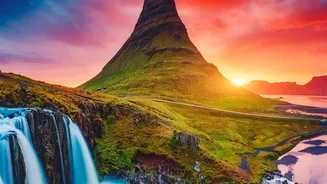
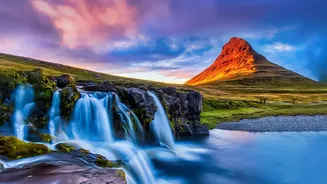
While not the largest or most powerful, Kirkjufellsfoss may be Iceland's most photographed waterfall. Its fame comes from its stunning backdrop: the uniquely shaped Kirkjufell, or "Church Mountain." The combination of the gentle, multi-tiered falls in the foreground and the iconic peak behind creates a perfectly balanced and incredibly scenic composition that draws photographers from around the globe. Whether framed by the midnight sun in summer or the dancing Northern Lights in winter, this spot on the Snæfellsnes Peninsula encapsulates the magical, almost otherworldly beauty of Iceland's landscapes.
Öxarárfoss: A Waterfall of History
Located within Þingvellir National Park, a UNESCO World Heritage Site, Öxarárfoss holds both natural and historical significance. The waterfall flows over the edge of the Almannagjá gorge, which marks the rift between the North American and Eurasian tectonic plates. More than a geological marvel, this area was the site of Iceland's ancient parliament, the Alþingi, founded in 930 AD. While modest in size compared to others, its presence in this historic landscape serves as a living link to the nation's Viking-age roots, making a visit here a journey through time itself.