






The Foundation: What Grows, We Eat
The most fundamental factor shaping India's breakfast plate is agricultural availability. What grows locally has historically been the easiest and most affordable to consume. The fertile plains of North India, for example, are the country's wheat belt.
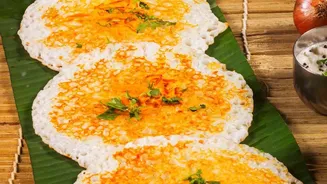
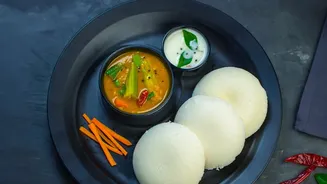
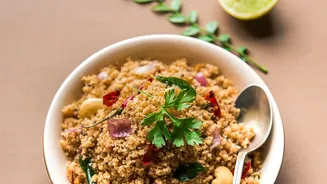
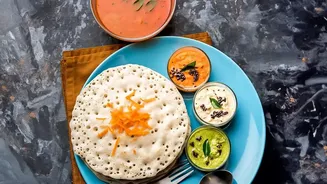
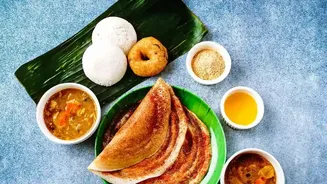
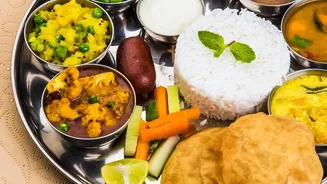
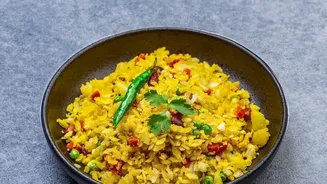
This abundance is directly reflected in the breakfast staple: the paratha. Whether plain or stuffed with seasonal vegetables like potato (aloo), cauliflower (gobi), or radish (mooli), this whole-wheat flatbread provides a hearty, energy-dense start to the day, perfect for an agrarian lifestyle. Travel south, and the landscape changes to rice paddies. Consequently, breakfast is dominated by rice and lentils. Dishes like idli (steamed rice cakes) and dosa (crispy rice crepes) are cornerstones of South Indian cuisine. Their preparation is a testament to culinary ingenuity, transforming basic staples into beloved, easily digestible meals. Similarly, in Western India, states like Maharashtra and Gujarat rely on flattened rice (poha) and gram flour (besan) for their morning meals, giving rise to iconic dishes like Kanda Poha and Dhokla.
The Rhythm of Life: Breakfast as Habit
Beyond what's available, daily routine and lifestyle cement breakfast habits. In bustling cities like Mumbai, breakfast needs to be quick, nutritious, and convenient. Kanda Poha, made from flattened rice, onions, and spices, fits this mould perfectly. It's a quick one-pot meal that can be prepared in under 30 minutes, making it an ideal choice for busy mornings. In many Maharashtrian households, it's more than just food; it's a cultural symbol, even featuring in matchmaking traditions where prospective couples meet over a plate of poha. In the South, the habit is built around fermentation. The batter for idli and dosa, a blend of ground rice and lentils, is typically prepared in advance and left to ferment overnight. This not only develops its characteristic tangy flavor and soft texture but also makes the morning routine incredibly efficient. The batter is ready to be steamed into idlis or griddled into dosas, providing a wholesome meal with minimal morning effort. This practice of preparation turns breakfast into a seamless and comforting daily ritual.
The Artistry: From Simple Ingredients to Complex Flavours
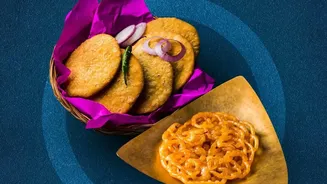
The final element is the culinary skill passed down through generations, which elevates simple ingredients into masterpieces of flavour and texture. Making the perfect paratha, for instance, is an art. It requires knowing how to knead the dough to the right consistency, roll it evenly without tearing the stuffing, and shallow-fry it to a perfect golden-brown crispness. Similarly, the seemingly simple idli and dosa depend on a precise understanding of the fermentation process. The ratio of rice to lentils, the consistency of the batter, and the ambient temperature all play a crucial role in achieving the ideal fluffy idlis and crispy dosas. In Gujarat, making soft, pliable Theplas—spiced flatbreads often with fenugreek leaves (methi)—that can last for days is a skill honed over time, making them a perfect travel food. This inherited knowledge transforms the act of cooking from a mere task into a craft, ensuring that regional breakfast traditions are not just preserved but perfected with each generation.
A Plate Full of Identity
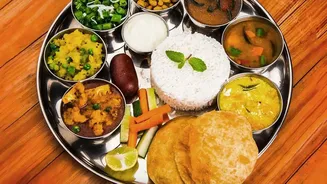
Ultimately, a regional breakfast in India is an identity on a plate. It tells a story of the land's bounty, the rhythm of its people's lives, and the culinary wisdom they hold dear. A bowl of poha in Pune is not just flattened rice; it’s a taste of Maharashtrian ingenuity. A stuffed paratha in a Punjabi home is more than just bread; it’s the warmth of the northern plains. And a plate of idli-sambar in Chennai is not just a meal; it's a reflection of South India's rich agricultural and culinary heritage. These dishes are deeply embedded in the cultural fabric, representing a delicious intersection of availability, habit, and skill that makes every morning in India a unique culinary experience.