



Mount Etna, Italy
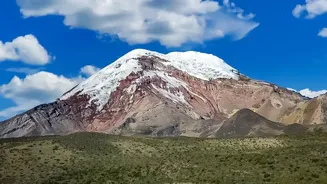
As Europe's largest active volcano, Mount Etna dominates the skyline of eastern Sicily. Its frequent but generally gentle eruptions make it a fascinating and relatively safe destination. Access is straightforward; most visitors start at Rifugio Sapienza
on the south slope, which is easily reachable by car or bus from the city of Catania. From there, a cable car followed by a 4x4 bus journey takes you to the upper crater zones. The landscape is a stunning mix of blackened lava flows, ancient craters, and hardy vegetation. On clear days, the views stretching to the Ionian Sea are breathtaking. For safety, while you can explore the lower slopes independently, accessing the summit craters (above 2,900 meters) is only permitted with a certified volcanological guide. This is a legal requirement, not a suggestion, as guides are trained to read the volcano's signs and navigate the treacherous terrain. Always treat Etna like the high-altitude mountain it is: wear layers, sturdy boots, and respect all posted warnings and closures.
Pacaya, Guatemala
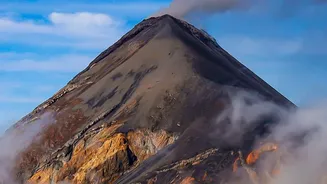
Just a short trip from Antigua, Pacaya is one of Guatemala's most accessible and popular active volcanoes. It’s known for its relatively gentle slopes and the unique experience of walking across vast fields of dried lava rock. The hike is achievable for most people with a reasonable level of fitness, taking about 90 minutes to ascend. The landscape feels otherworldly, with dark volcanic scree and steaming fissures. While you're unlikely to see flowing red lava these days, geothermal hotspots are still powerful enough to roast marshmallows, a classic Pacaya tour activity. Legally, you must be accompanied by a certified local guide. This is crucial for safety, as guides know the stable paths and can navigate the often-changing conditions. The biggest risks are not eruptions, but rather loose footing on volcanic rock and dehydration, so wear sturdy shoes and bring plenty of water.
Kīlauea, USA
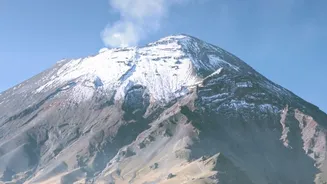
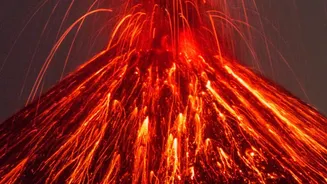
Located in Hawai'i Volcanoes National Park on the Big Island, Kīlauea is one of the most active volcanoes on Earth. It is a shield volcano, meaning its eruptions often create slow-moving lava flows rather than dramatic explosions. This makes for incredible, and often safe, viewing opportunities when an eruption is underway. Access is as simple as driving into the national park. Numerous lookouts along Crater Rim Drive, such as Kīlauea Overlook and Uēkahuna, offer stunning views of the vast Halemaʻumaʻu crater. The landscape is a dynamic testament to creation and destruction, with steaming vents, vast lava fields, and lush rainforests. Safety is paramount and strictly enforced by the National Park Service. Always stay on marked trails and behind safety barriers. Volcanic gases (known as vog) can be hazardous, especially for those with respiratory issues, so it's vital to check the park's daily air quality reports.
Mount Bromo, Indonesia
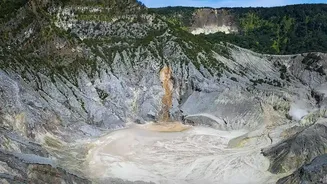
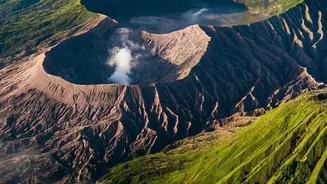
The sunrise view over Mount Bromo in East Java is one of Indonesia's most iconic images. Part of the Bromo Tengger Semeru National Park, Bromo sits within a massive caldera known as the "Sea of Sand." Most visitors arrive via a pre-dawn 4x4 jeep tour to a viewpoint on the neighboring Mount Penanjakan to watch the sun illuminate Bromo and the towering Mount Semeru behind it. After sunrise, you can cross the sandy caldera on foot or by horse and climb the 250-plus steps to the rim of Bromo's crater to peer into its steaming core. While generally safe for tourists, Bromo is an active volcano, and access can be restricted during periods of heightened activity. It's essential to check the current status with local authorities. The temperature at the viewpoint can be near freezing, so dressing in warm layers is a must.
Arenal, Costa Rica
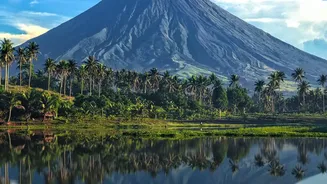
Although Arenal Volcano entered a resting phase in 2010 and no longer glows with lava at night, it remains an icon of Costa Rica and the centerpiece of a bustling national park. Its perfectly conical shape is a spectacular sight, rising above the rainforest and Lake Arenal. Access is easy, with the town of La Fortuna serving as the main base. The park offers several well-maintained hiking trails, like the Las Coladas trail, which crosses over lava fields from the 1992 eruption. The appeal of Arenal now lies in its stunning landscape, the surrounding lush nature, and the wealth of activities it anchors, from hot springs heated by the volcano's geothermal energy to canopy tours with the volcano as a backdrop. Safety involves standard hiking precautions: stay on marked trails, be aware of wildlife, and never attempt to climb the volcano itself, which is strictly prohibited.
Fagradalsfjall Volcano Area, Iceland
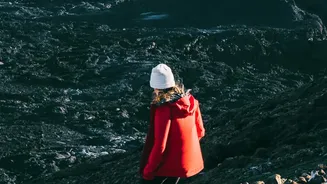
The Reykjanes Peninsula in Iceland became a global sensation in 2021, 2022, and 2023 with a series of accessible fissure eruptions in the Fagradalsfjall volcanic system. While the specific eruption sites are now dormant, the area provides an incredible opportunity to walk on newly formed land. Located near Keflavik Airport, a network of hiking trails allows visitors to explore the vast, black lava fields created just a few years ago. The landscape is raw and starkly beautiful. It's a humbling look at how Iceland is actively being formed. Safety is a major consideration here. The terrain is rough, sharp, and uneven; sturdy hiking boots are essential. Weather can change in an instant, and it is crucial to follow the guidance of local authorities at SafeTravel.is. Even without flowing lava, volcanic gases can still collect in low-lying areas, and new fissures could potentially open with little warning, as the entire peninsula remains volcanically active.