
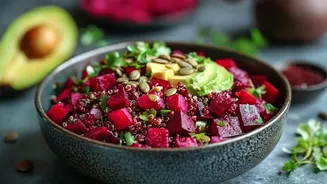
A Tale of Two Roots
Though they both grow underground, beetroot and radish belong to different botanical families. Beetroot, with its deep red or golden hues, is a member of the amaranth family, related to spinach and quinoa. Radishes, which come in colours from red and white
to purple, are part of the mustard and cabbage family. This fundamental difference is the starting point for their distinct nutritional profiles, tastes, and textures, guiding how we can best use them in our daily meals.
Beetroot: The Nitrate Powerhouse
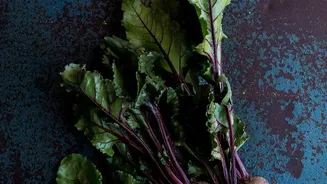
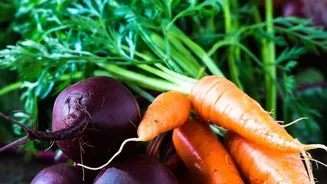
Beetroot's reputation as a superfood is largely thanks to its high concentration of dietary nitrates. When you consume beetroot, your body converts these nitrates into nitric oxide, a molecule that helps relax and dilate blood vessels. This process can lead to several health benefits, most notably the potential to lower blood pressure and reduce the risk of heart disease. For athletes or anyone looking to boost their physical stamina, beetroot juice is a popular choice. Studies suggest it can improve exercise endurance by making muscles more efficient and increasing oxygen delivery. Beyond nitrates, beetroot is also a good source of folate, manganese, potassium, and fibre.
Radish: The King of Crunch
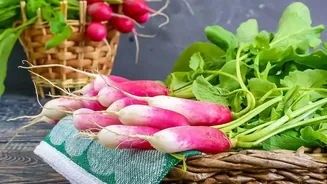
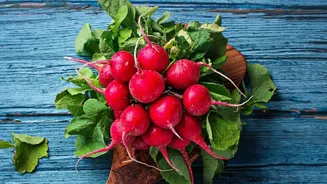
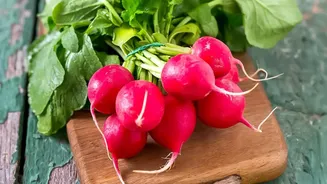
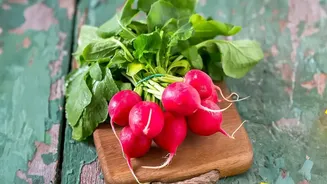
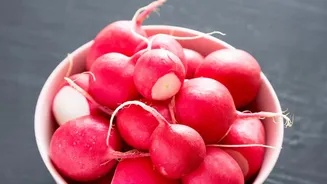
What radish brings to the table is a delightful freshness and a signature crunch. This texture is thanks to its high water content and fibrous structure. Radishes are significantly lower in calories and sugar than beetroot, making them a light and hydrating addition to any meal. While they don't boast the nitrate levels of beets, radishes are an excellent source of Vitamin C, a powerful antioxidant that helps protect the body's cells from damage. They also provide potassium and folate. The peppery, sometimes spicy, flavour of a radish comes from compounds also found in mustard and horseradish, which can add a zesty kick to dishes.
Taste, Texture, and Kitchen Uses
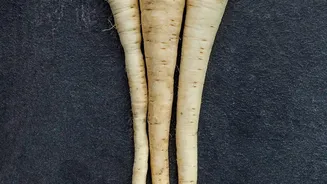
Choosing between beetroot and radish often comes down to the flavour and texture you desire. Beetroot has an earthy, sweet taste and becomes soft and tender when cooked. This makes it perfect for roasting, boiling, or blending into soups and smoothies. In Indian cuisine, it is popularly used in sabzis, poriyals, and even colourful raitas or halwa. Its vibrant colour also makes it a natural food dye. Radish, on the other hand, is most often eaten raw for its crispness and spicy flavour. It’s a classic addition to salads and sandwiches, providing a refreshing crunch. Sliced thinly, it serves as a garnish for tacos and toasts. In India, mooli (daikon radish) is famously used to make stuffed parathas and pickles (achaar), where its pungent character shines.
When to Choose Which
If your goal is a nutrient-dense meal focused on improving blood flow or athletic performance, beetroot is the clear winner. A pre-workout beetroot juice or a roasted beet salad is an excellent way to harness its nitrate power. Its sweetness also lends itself well to dishes where you want a deep, earthy flavour to develop. For moments when your meal needs a lift, a bit of texture, and a fresh, peppery note, reach for a radish. A handful of sliced radishes can transform a simple salad, cut through the richness of a buttery dish, or add a delightful crunch to your everyday sandwich. While cooking mellows a radish's spiciness, its primary role in most kitchens remains as a crisp, raw ingredient.