


From Spectacle to Story
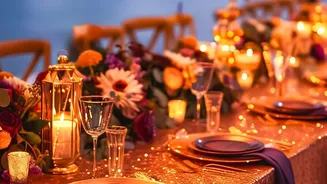
For generations, the wedding feast was a display of abundance. The goal was to impress with quantity—sprawling buffets, endless canapés, and a formal plated dinner with more forks than anyone knew what to do with. But that paradigm is shifting. Today's
couples are trading exhaustive menus for something more resonant: food that tells their story. It's no longer about a generic chicken-or-fish option but about crafting a culinary experience that reflects the couple's history, heritage, and personality. This move away from one-size-fits-all catering signals a deeper desire for authenticity, where the meal becomes a central part of the wedding narrative itself. The focus has moved from simply feeding guests to creating a connection and sharing a piece of the couple's journey.
A Taste of Personal History
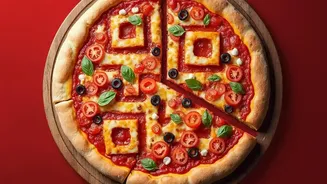
So what does a memory-driven menu look like? It's about weaving in dishes that hold special meaning. This could be serving gourmet sliders that evoke a favorite late-night diner, tacos inspired by a first date, or pasta from a memorable trip to Italy. Family traditions also play a huge role, with couples adapting a grandmother's beloved recipe or incorporating flavors from their cultural backgrounds. The personalization can be subtle, like offering a signature cocktail named after a pet, or more central, like designing the entire meal around shared travels. The goal isn't to perfectly replicate a dish but to capture its essence, turning a private memory into a shared experience for guests. These hyper-personalized menus transform the food from mere sustenance into a conversation starter that feels genuine and heartfelt.
Making the Meal an Experience
This trend extends beyond the plate to how the food is served. Interactive food stations are becoming increasingly popular, replacing static buffets with engaging culinary moments. Imagine guests building their own tacos, watching a chef roll fresh sushi, or customizing pasta dishes. This format encourages guests to mingle and adds a layer of entertainment to the reception. Another major trend is the rise of elevated late-night snacks. Instead of letting dinner be the final food moment, couples are surprising guests with comfort foods like mini grilled cheese and tomato soup shooters or even a delivery from a favorite fast-food joint to refuel the dance floor. These playful, nostalgic bites keep the energy high and offer another opportunity to share something the couple loves.
Why Simpler Feels More Special
The shift toward memory-focused menus is driven by several factors. After years of curated perfection on social media, there is a growing desire for authenticity and experiences that feel real. For many, a menu that reflects a personal story is more impressive than one that is simply expensive. Budget also plays a role; focusing on a few meaningful, high-quality dishes can be more strategic than funding a sprawling, forgettable banquet. Furthermore, modern couples are prioritizing the overall guest experience. They want a celebration that feels warm, social, and connected. A family-style meal with large platters passed around the table, for instance, creates a cozier, more communal atmosphere than a formal, plated dinner. Ultimately, this trend is about redefining luxury. It suggests that the most memorable wedding feasts are not the longest or most elaborate, but the ones that are rich with personal meaning and give guests a true taste of the couple's love story.