









The New Loyalty Is to the Paycheck
For Generation Z and younger millennials, the primary allegiance is not to a corporate brand but to their own financial well-being. This generation entered the workforce witnessing economic uncertainty, from the global pandemic to rising inflation, which
has shaped their priorities. Consequently, the practice of job-hopping, or 'lily padding' as it's sometimes called, has become a deliberate career strategy. Staying in one role for an extended period is often seen as a way to slow down career and salary growth. While average salary hikes for those who stay put hover around 9.5%, switching jobs can yield increases of 20% to 35% or even more. Faced with the high cost of living, particularly in metro cities, many young professionals see changing jobs as one of the most effective ways to secure a meaningful income boost.
Economic Realities and Shifting Mindsets
This trend is not driven by a lack of commitment but by a rational response to economic pressures. Despite India having strong headline salary growth, many young workers feel their pay is not keeping up with inflation. A significant portion of Gen Z employees report being unhappy with their pay, citing below-market salaries and the high cost of living as major concerns. This financial anxiety is a core driver of their career decisions. They have seen that job security can be an illusion, and a single salary feels like a significant risk in today's volatile economy. This has fostered a mindset where flexibility, skill development, and clear growth pathways are valued just as much, if not more, than just a job title. Many are ready to leave for roles, including remote global opportunities, that offer better pay and faster growth.
The Strategic Rise of the Side Hustle
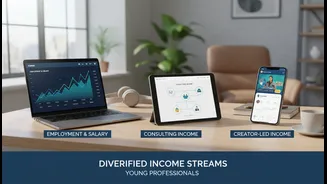
Alongside the quest for better-paying primary jobs, there is a parallel and powerful movement towards creating multiple income streams. Having a side hustle is no longer just for extra cash; it is a core component of financial strategy for many young Indians. Recent reports indicate that a significant percentage of Gen Z workers either have a side hustle or are considering one to enhance their financial security. These secondary incomes range from freelancing and gig work to creating digital products, online courses, and even small-scale e-commerce businesses. This diversification is seen as a way to build a 'portfolio career' that provides a buffer against job loss and economic downturns, offering a sense of control that a single job cannot.
A Portfolio of Incomes for a Secure Future
The motivation behind building these income portfolios is multifaceted. For some, it is about passion and creative expression outside the confines of a corporate role. For many others, it is a calculated move towards financial independence and even early retirement, a concept popularised by the FIRE (Financial Independence, Retire Early) movement. By combining a primary salary with income from investments, freelancing, or a small business, young employees are actively constructing a more resilient financial foundation. This approach reflects a broader shift where stability is no longer defined by a permanent job but by having diversified sources of income. Artificial intelligence and the growth of the gig economy are further enabling this trend, making it easier to manage multiple work streams.
Implications for the Modern Workplace
This dual-pronged approach to career building presents a significant challenge for employers. Companies are now competing not only on salary but also on culture, flexibility, and tangible growth opportunities. To retain young talent, businesses must offer competitive, inflation-adjusted compensation and demonstrate clear pathways for skill development. Acknowledging and even accommodating an employee's side hustle may also become necessary. The demand for flexible and hybrid work arrangements is partly driven by the need to manage these portfolio careers. Ultimately, organisations that fail to adapt to this new reality—where employees are proactive, financially-minded agents of their own careers—will struggle to attract and retain the next generation of talent.