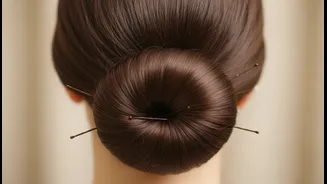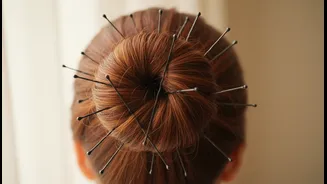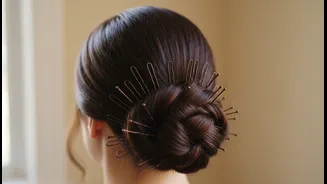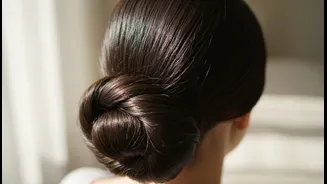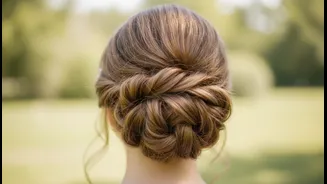




The Slippery Slope of Single Pins
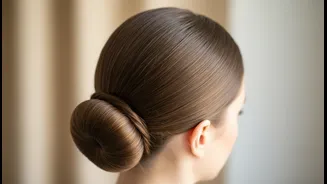
You’ve likely experienced it. You secure a twist or a bun with a few bobby pins, and within hours, or even minutes, you can feel them losing their grip. This is especially common for those with fine, smooth, or very clean hair. A single bobby pin often
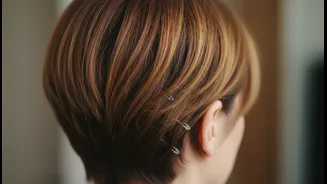
fails because it doesn't have enough to anchor onto. It can slide along the hair shafts, particularly when trying to hold a significant amount of hair, leading to your style gradually drooping or completely falling out. Many people also make the common mistake of trying to capture too much hair in one pin, which forces the pin open and reduces its tension, causing it to slip.
The 'X' Factor: A Better Way to Pin
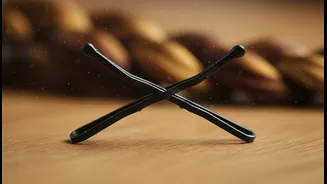
Enter the crossed bobby pin technique, a simple yet revolutionary method loved by professional stylists. Instead of using pins individually, you insert two pins so they form an 'X'. This creates a powerful locking mechanism that holds hair securely without the need for a bulky cluster of pins. The criss-cross creates opposing tension, where the two pins work together to lock the hair in place. This provides a much stronger and more stable foundation for any hairstyle, from a simple side-tuck to an elaborate updo.
A Step-by-Step Guide to the Perfect Cross
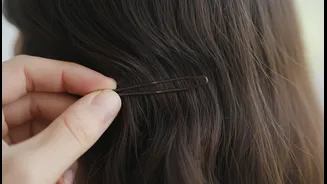
Mastering this technique takes only a moment. First, gather the section of hair you want to secure. Take your first bobby pin and slide it into the hair. For the best grip, ensure the wavy or ridged side of the pin is facing your scalp. Now, take your second bobby pin and slide it in from the opposite direction, crossing over the first pin to create an 'X' shape. The key is to ensure the second pin interlocks with the first, creating that secure anchor point. The 'X' should lie flat against your scalp, providing a firm hold that remains invisible under the top layer of your hair.
Why This Simple Trick Is So Effective
The science behind the crossed-pin method is all about physics. A single pin relies solely on its own tension and the texture of the hair to stay put. By crossing a second pin over the first, you create a system of interlocking forces. The first pin anchors the hair, and the second pin locks the first one in place, preventing it from sliding out. This structure grips the hair from multiple directions, distributing the tension more evenly and creating a hold that is exponentially stronger than two separate pins. It's a small adjustment that makes a massive structural difference.
Pro Tips for an Unshakeable Hold
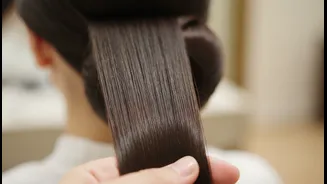
To make this technique even more effective, preparation is key. If your hair is very fine or silky, give it some grit before pinning. A light mist of dry shampoo or texturizing spray on your hair, and even on the pins themselves, can dramatically increase grip. This adds a bit of texture for the pins to grab onto. Also, be mindful not to pry your bobby pins open before inserting them; doing so weakens their hold. Instead, let the tip of the pin guide the hair in. For maximum invisibility, choose pins that match your root color and slide them underneath the top layer of the section you're styling.