

The Situation on the Ground
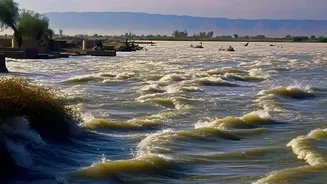
As of early September, persistent monsoon rains have caused the Ganga river to surpass the official warning level in Varanasi. According to the Central Water Commission, the river reached 70.54 meters on Thursday, exceeding the warning mark of 70.262
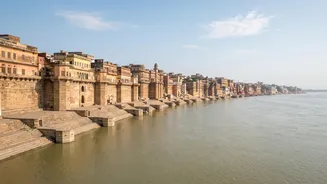
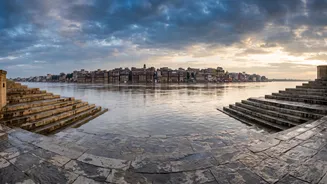
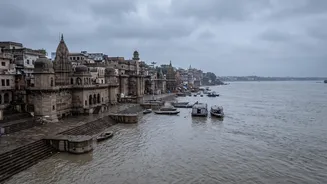
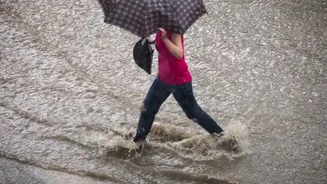
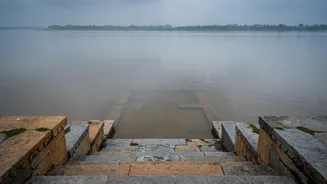
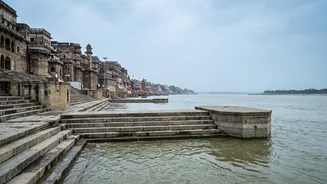
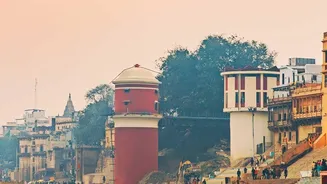
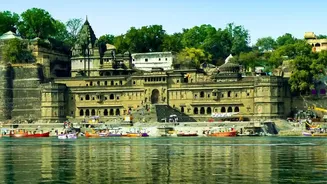
meters and continuing to rise at a rate of 2 centimeters per hour. While this is an annual occurrence during the monsoon season, the rising waters have submerged the lower steps of many of the city’s famous ghats, the stone stairways leading to the river. The companion Varuna river is also swelling, causing waterlogging in several low-lying neighborhoods and affecting hundreds of local families.
What 'Administrative Action' Means for Visitors
In response to the rising water, the district administration has implemented several key safety measures. The most significant for tourists is the complete suspension of all boating operations on the Ganga. This ban is a standard precautionary measure to ensure safety amid strong currents and submerged hazards. Police and National Disaster Response Force (NDRF) teams are actively patrolling the riverfront, urging both residents and visitors to stay away from the ghats and avoid entering the water. The administration is on high alert, with officials inspecting affected areas by boat and preparing relief camps should the water continue to approach the official danger level of 71.262 meters.
Impact on Rituals and Daily Life
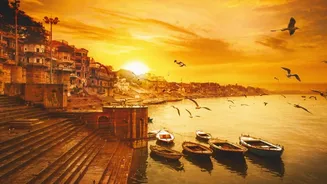
The high water levels directly impact the iconic spiritual activities that draw millions to Varanasi. The world-renowned evening Ganga Aarti, a fire ceremony held at Dashashwamedh Ghat, is often forced to move from the river's edge to nearby rooftops or higher platforms to continue. Likewise, cremation ceremonies at the ancient Manikarnika and Harishchandra ghats, which operate 24/7, are shifted to upper platforms to accommodate the rising river. For residents in low-lying areas, the floods are a serious disruption, with hundreds of families being relocated to temporary relief shelters set up by the district. The situation highlights the city's complex relationship with its sacred, yet powerful, river.
Should You Still Travel to Varanasi?
For travelers planning an imminent trip, the answer depends on expectations. The city itself is not closed, and hotels, temples, markets, and restaurants away from the immediate riverfront remain largely operational. However, the quintessential Varanasi experience—a sunrise boat ride, walking the length of the ghats, and observing rituals at the water's edge—is currently impossible or severely restricted. If your itinerary is centered on these river-based activities, it may be wise to postpone your visit until the waters recede, typically later in the autumn. If you do choose to go, exercise extreme caution near the river, heed all official advisories, and confirm arrangements with your hotel or tour operator before arrival. The monsoon offers a unique and dramatic view of the Ganga, but it demands respect and careful planning.