





The Core Challenge: Dynamic vs. Deliberate Coordination
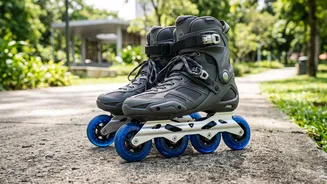
Coordination is the ability to move different parts of the body together smoothly and efficiently. Both skating and Tai Chi are exceptional at building it, but they approach the task from opposite ends of the spectrum. Skating, whether on inline or quad
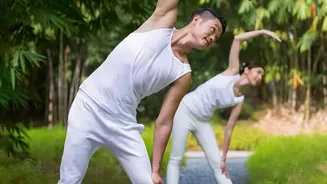
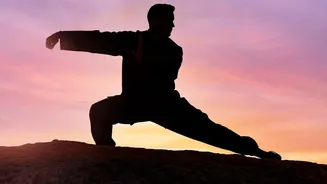
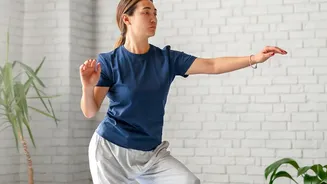
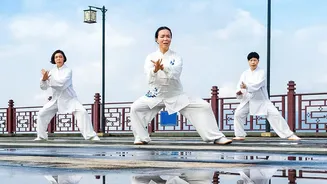
skates, develops dynamic coordination. It forces your body to make constant, rapid micro-adjustments to maintain balance while in motion. This improves your agility and reflexes. In contrast, Tai Chi, often called 'meditation in motion', builds deliberate coordination through slow, controlled, and flowing movements. This ancient practice enhances body awareness, or proprioception—the sense of where your body is in space—which is crucial for stability.
Cardio and Strength: High-Energy Burn vs. Low-Impact Power
If you are looking for a heart-pumping workout, skating has a clear edge. It is a fantastic aerobic exercise that can burn between 300 and 600 calories per hour, comparable to running but with less joint impact. The continuous motion strengthens the lower body, including the glutes, quads, and calves, while also engaging the core for stability. Tai Chi is a low-impact exercise, making it ideal for those with joint pain or who are new to fitness. While it is not an intense cardio workout, it builds significant functional strength in the lower body and core over time through its slow, controlled stances and weight shifts. Studies have shown it improves muscle strength, which helps stabilize joints and reduce pain.
Mental Well-being: Exhilaration vs. Serenity
Both activities offer robust mental health benefits, but they create different states of mind. Skating is often described as exhilarating and fun, providing a powerful sense of freedom and stress relief. The release of endorphins during such a vigorous workout can boost mood and combat anxiety. It requires focus, which sharpens cognitive function. Tai Chi, on the other hand, is a meditative practice designed to calm the nervous system and reduce stress. Its focus on deep breathing and mindful movement has been shown to lower levels of the stress hormone cortisol, improve sleep, and alleviate symptoms of depression and anxiety.
Learning Curve and Accessibility
Getting started with either activity presents different considerations. Skating has a steeper initial learning curve and an inherent risk of falling, making protective gear like helmets and pads essential. It also requires a suitable surface, like a skate park, rink, or smooth pavement. Tai Chi is exceptionally accessible. It requires no special equipment and can be practised almost anywhere, even in a small space at home. Its movements are gentle and can be adapted for all fitness levels, including for individuals who need to remain seated. Because the movements are slow, the risk of injury is very low.
Who Is It For?
Ultimately, the choice between skating and Tai Chi depends on your personality, fitness goals, and physical condition. Skating is a great fit for those seeking a high-energy, fun, and social workout that delivers significant cardiovascular benefits and builds dynamic balance. It’s for the person who wants to feel the wind in their hair while burning calories. Tai Chi is ideal for individuals looking for a low-impact, mindful practice that reduces stress, improves posture, and builds foundational stability. Extensive research confirms its effectiveness in preventing falls, particularly in older adults, and managing chronic pain conditions like arthritis.