






The First Test: What to Expect in 2027
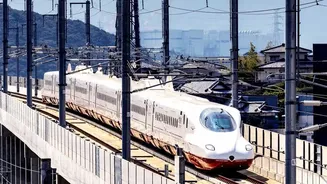
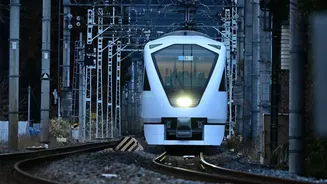
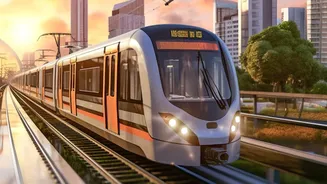
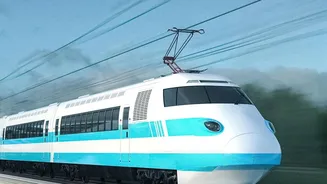
The first trial run for the bullet train is slated for 2027, a significant step that will see the Shinkansen-based trainsets operate at high speeds on Indian soil for the first time. According to Railway Minister Ashwini Vaishnaw, these crucial tests
will take place on a section of the corridor in Gujarat, likely between Surat and Vapi or Surat and Bilimora. This segment has seen the fastest construction progress, making it the ideal ground for testing the systems. The trials will evaluate everything from the rolling stock's performance in Indian climatic conditions to the stability of the viaducts and the effectiveness of the advanced signalling systems. Once these trials are successfully concluded, the stretch could be opened to the public within a few months, giving citizens their first taste of travel at 320 km/h.
A Snapshot of Current Progress
The 508-kilometre corridor has been a hive of activity, particularly in Gujarat, where land acquisition is nearly complete. As of mid-2026, significant portions of the elevated viaduct are already in place, with over 290 km of the structure built. Work on major river bridges, including an iconic one over the Narmada River, is also advancing at a rapid pace. In Maharashtra, after initial delays, construction has gathered momentum, with work progressing on stations in Thane, Virar, and Boisar. One of the project's most complex engineering feats is the 21-km underground tunnel, which includes a 7-km undersea section at Thane Creek—India’s first. While the full line is projected to open by 2029, the progress in Gujarat makes the 2027 trial a realistic and eagerly anticipated target.
The Shinkansen Edge: More Than Just Speed
At the heart of the project is Japan’s renowned Shinkansen technology, a system famous not just for its speed but for its unparalleled safety record, with zero fatal accidents in over 50 years of operation. This technology encompasses the entire ecosystem, from the aerodynamic design of the trains to the dedicated tracks that prevent interference from slower rail traffic. For India, adopting this system, with technical and financial cooperation from Japan, means building a high-speed network with proven reliability. The project also includes critical safety features adapted for Indian conditions, such as an early earthquake detection system that can automatically apply emergency brakes. Furthermore, a high-speed rail training institute has been established in Vadodara, where Indian engineers are learning from Japanese experts to operate and maintain the system.
The Bigger Picture: Transforming a Key Corridor
Once fully operational, the bullet train will slash travel time between Mumbai and Ahmedabad from over six hours to just under two hours for limited-stop services. This dramatic reduction is expected to have a profound economic impact, boosting business, tourism, and connectivity between two of India's most important commercial hubs. The corridor will also connect several smaller industrial towns like Vapi and Bharuch that currently lack airport access, integrating them more closely into the regional economy. Beyond this single route, the Mumbai-Ahmedabad project is serving as a blueprint for India's larger high-speed ambitions. The standards, construction methods, and operational knowledge developed here are intended to be replicated across seven other proposed corridors, including routes like Delhi-Varanasi and Mumbai-Nagpur, creating a national network of modern, efficient rail travel.