







The Predictability of the Path
Jogging is an exercise in consistency. Whether on a treadmill, a track, or a flat neighbourhood street, the environment is largely controllable. This allows for straightforward standardisation. Runners can set a specific pace, distance, and duration,
creating a workout that is repeatable and easily measurable. A five-kilometre run today can be directly compared to one next week, with variables like heart rate and speed providing clear metrics of progress. This predictability is the foundation of most running training plans, which are built around structured workouts like tempo runs and intervals. The goal is to create a specific physiological stimulus, and a controlled environment makes that possible.
The Unpredictable Nature of the Trail
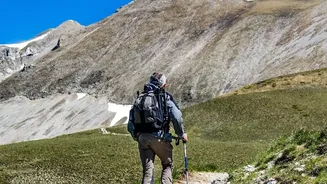
Hiking, by its very nature, resists standardisation. The trail is the workout, and it is defined by its variability. Every hike is a unique combination of inclines, declines, and uneven surfaces that constantly change the physical demand. Walking on uneven terrain can increase energy expenditure by up to 28% compared to walking on flat ground. A five-kilometre hike might be a gentle walk one day and a gruelling climb the next. Factors like trail conditions, elevation gain, and even the weather can dramatically alter a hike's difficulty, making it impossible to compare two different trails based on distance alone. There's no universal standard for what a 'moderate' hike truly feels like.
Measuring the Effort
The difference in standardisation is clear when looking at how energy expenditure is measured. Scientists use a unit called the Metabolic Equivalent of Task, or MET, where 1 MET is the energy used while sitting at rest. A typical jog on a flat surface is a vigorous-intensity activity, often rated around 7 to 10 METs. This number is relatively stable. Hiking is generally considered a moderate-intensity activity, with an average value around 6 METs for cross-country trekking. However, this is just an average. That number can fluctuate wildly, dropping on flat sections and soaring on steep inclines, especially when carrying a pack. Walking up a five-percent slope requires a similar effort to hiking at a much faster speed on level ground.
A Different Kind of Muscle Workout
The biomechanics of jogging and hiking are fundamentally different. Jogging involves a repetitive, forward motion where the body briefly becomes airborne in a 'flight phase' with each step. This engages major muscle groups in a predictable cycle. Hiking, in contrast, is more like a full-body stability challenge. Navigating rocky paths, stepping over roots, and adjusting to shifting surfaces forces the body to constantly activate smaller stabiliser muscles in the ankles, hips, and core to maintain balance. Uphill sections place heavy demands on the glutes and legs to generate power, while downhill portions require controlled braking, which can be surprisingly taxing on the muscles.
The Mental Game
The mental engagement required for each activity also differs significantly. The repetitive rhythm of jogging can be meditative for many, allowing the mind to wander or focus on a podcast or music. It's a workout that can often be done on autopilot once a comfortable pace is established. Hiking demands a higher level of situational awareness. Your eyes are constantly scanning the trail ahead for obstacles, your brain is making micro-decisions about foot placement, and you are continuously adjusting your pace and effort based on the terrain in front of you. This makes hiking a more mentally present activity, where the mind is as engaged as the body in navigating the environment.