


The Anatomy of a Perfect Bajji
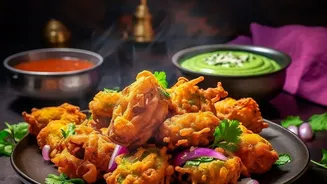
At its heart, Molaga Bajji, also known as Mirchi Bajji or Chilli Bajji, is a simple yet brilliant creation. It features a specific type of large, light green chilli, often called 'bajji milagai', which is milder than its smaller, fiery cousins. These
chillies are coated in a thick, savoury batter made from besan (gram flour), rice flour for extra crispness, and a blend of spices like chilli powder, asafoetida, and sometimes ajwain (carom seeds). The chilli is then deep-fried until it turns a beautiful golden brown, emerging as a puffy, inviting fritter. The magic lies in the contrast of textures and tastes: the crunchy, salty batter gives way to the tender, slightly tangy and vegetal flavour of the cooked chilli inside. It is a masterclass in balance.
Breakfast Staple or Evening Indulgence?
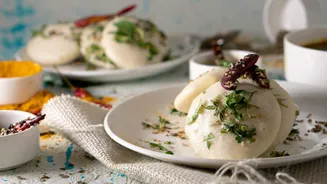
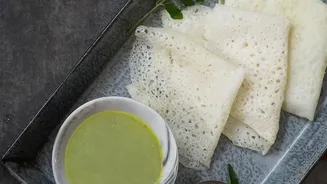
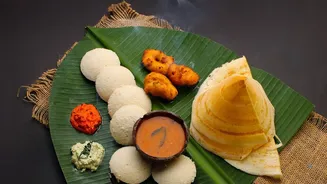
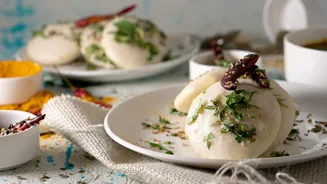
While the headline proclaims it a breakfast classic, Molaga Bajji’s primary identity is that of an evening snack. It is the quintessential accompaniment to a hot cup of tea or coffee, especially on a rainy day. The association is so strong that the mere mention of monsoon can evoke a craving for these spicy fritters. You'll find them sizzling in the pans of street vendors, at beachside stalls, and in office canteens across South India. However, it's not entirely out of place on the breakfast table. In many homes, it’s prepared for a special weekend breakfast or as part of a festive spread, served alongside staples like idli or dosa. Some restaurants and tiffin centres also feature it on their morning menus, catering to those who desire a more indulgent start to their day.
A Bite of Culture and Nostalgia
More than just its ingredients, the bajji is steeped in cultural significance. For generations, it has been a food of connection and comfort. It's the snack shared with family during evening chats, the treat bought from a local 'bajjiwala' after school, and a staple at festivals and gatherings. In some communities, a platter of assorted bajjis, often including the molaga variety, plays a traditional role in hospitality. It's famously served to a prospective groom and his family during the formal 'pen paarkum padalam' (bride-seeing ceremony), making it part of a cherished and sometimes humorously referenced ritual. This connection to home, tradition, and simple joys is what elevates the Molaga Bajji from a mere snack to a cultural touchstone.
Variations on a Classic Theme
While the classic Molaga Bajji is a thing of beauty in its simplicity, inventive cooks have developed numerous variations. Before frying, the chillies are often slit open and de-seeded to reduce their heat. This space then becomes an opportunity for creativity. Some versions feature a stuffing of tangy tamarind paste mixed with spices, while others use a savoury mix of finely chopped onions, coriander, and sometimes a hint of lemon juice. In the Davangere style from Karnataka, the chillies might be marinated in a mix of roasted cumin and fennel powder before being battered and fried. These subtle tweaks add another layer of flavour, ensuring that this classic dish never ceases to surprise and delight.