
An Artery of Undivided Punjab
Before 1947, the railway line running through Attari was not a border but a vital artery. The Amritsar-Lahore line, completed in the early 1860s, was a cornerstone of the North Western Railway, a sprawling network designed by the British for strategic
and commercial control. For decades, it facilitated seamless travel and trade across a unified Punjab. Lahore, the grand capital of the province and headquarters of the railway, was just a short journey from Amritsar. This line was part of a vision connecting vast swathes of the subcontinent, from Delhi to Peshawar and beyond. Attari, then a small village known as the ancestral home of Sikh general Sham Singh Attariwala, was simply another stop on a busy and integrated transport grid. It represented an era when the journey between these two great cities was an unremarkable, everyday occurrence.
The Violent Rupture of Partition
The Partition of India in 1947 violently redefined Attari's identity. The Radcliffe Line, drawn hastily to divide British India, sliced through the heart of Punjab, its communities, farms, and infrastructure. The railway that once connected the region became a line of escape and a witness to unspeakable horror. The Amritsar-Lahore line saw 'ghost trains' laden with the victims of communal massacres. Overnight, Attari transformed from an internal junction into a frontier outpost. On October 11, 1947, military officials from India and Pakistan met to formally establish a checkpoint, turning a simple village station into a heavily guarded international border. The once-bustling railway fell silent, a metal scar symbolising the deep wound inflicted upon the subcontinent.
The Samjhauta Express: A Bridge of Hope
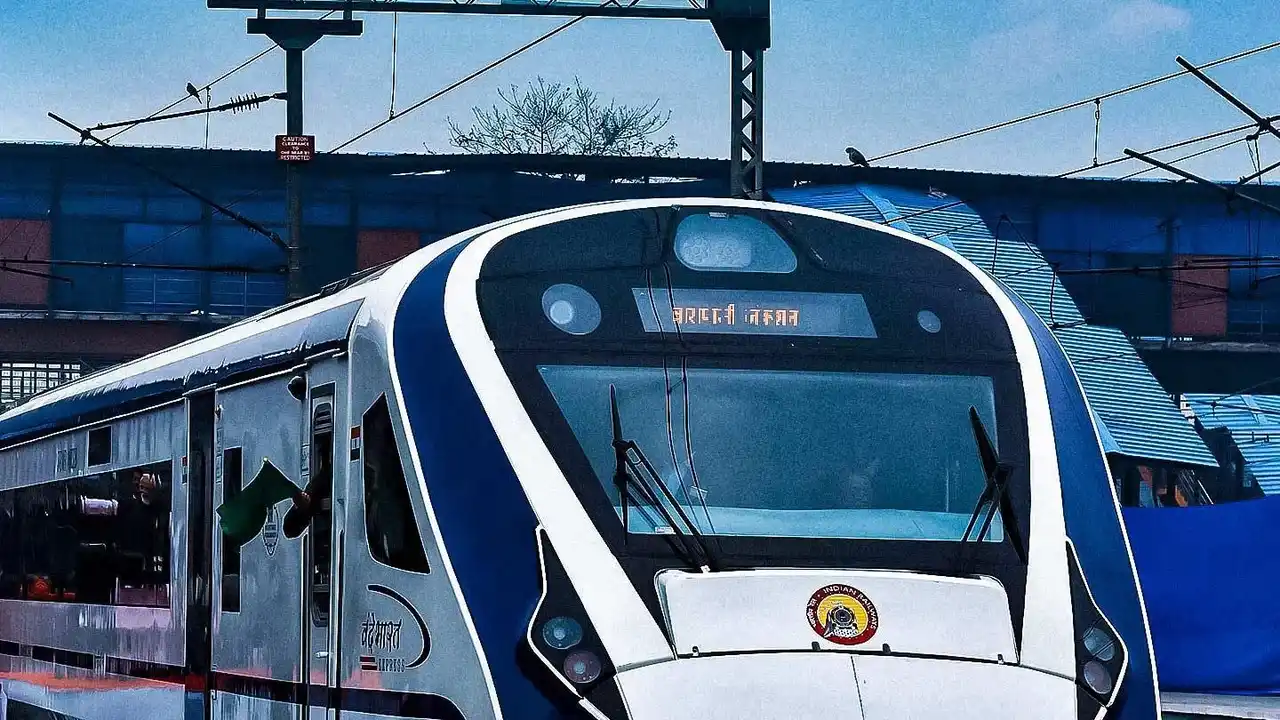
For nearly three decades after Partition, no regular passenger train crossed the border. This changed on July 22, 1976, with the launch of the Samjhauta Express, or 'Agreement Express'. Born out of the Simla Agreement signed by Indira Gandhi and Zulfiqar Ali Bhutto, the train was a powerful gesture of peace. Initially running directly between Amritsar and Lahore, it was a lifeline for families divided by the border, allowing them to reconnect with loved ones. For security reasons, the service was later truncated in the late 1980s, with Indian Railways running the train to Attari, where passengers would go through customs and immigration before boarding a Pakistani train at Wagah for the short journey to Lahore. Despite the logistical hurdles, it remained a potent symbol of friendship and the only rail link between the two nations for many years.
A Journey of Fits and Starts
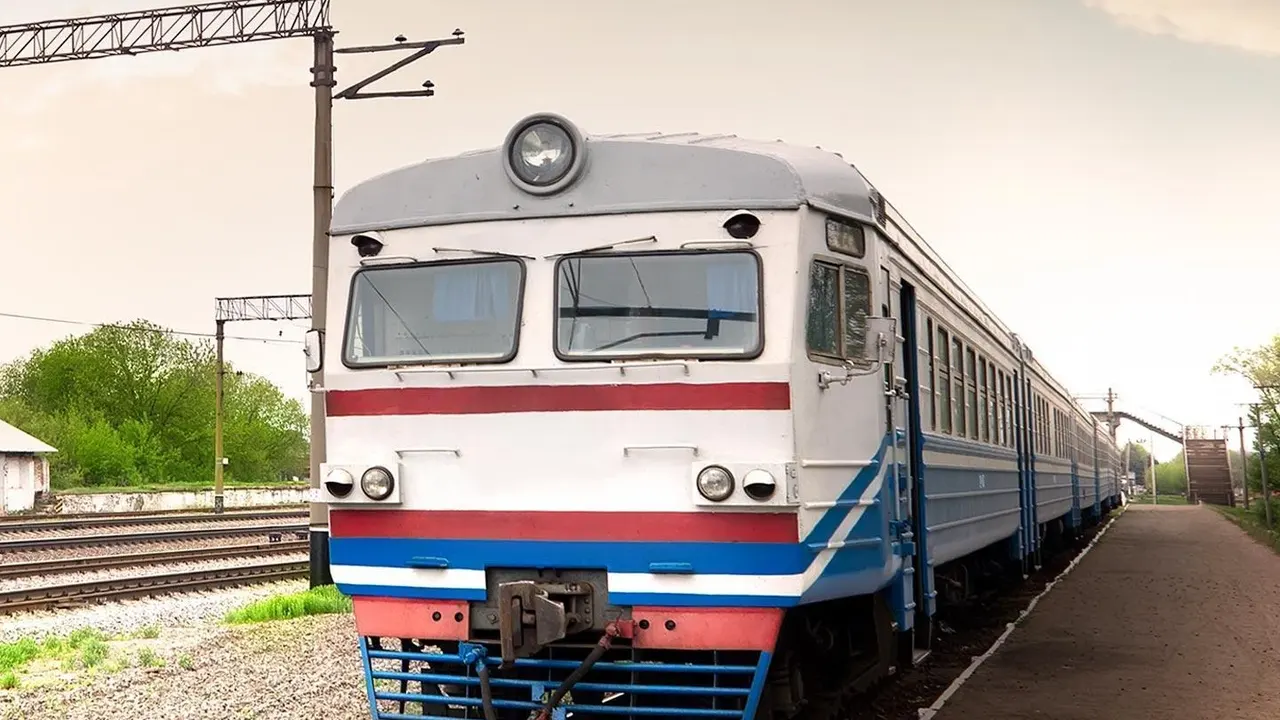
The history of the Samjhauta Express mirrors the volatile relationship between India and Pakistan. Its journey has been frequently interrupted by political crises. The service was suspended for the first time in January 2002 following the terrorist attack on the Indian Parliament. It was halted again after the assassination of Benazir Bhutto in 2007 and was the target of a deadly terrorist bombing near Panipat the same year, which killed 70 people. More recently, services were briefly stopped in February 2019 after the Pulwama attack. Finally, on August 8, 2019, Pakistan permanently suspended the service following India's revocation of Article 370 in Jammu and Kashmir, bringing the train to a complete standstill. An Indian rake of carriages remains parked at Wagah station in Pakistan to this day.
Attari Today: A Silent Station, A Bustling Border
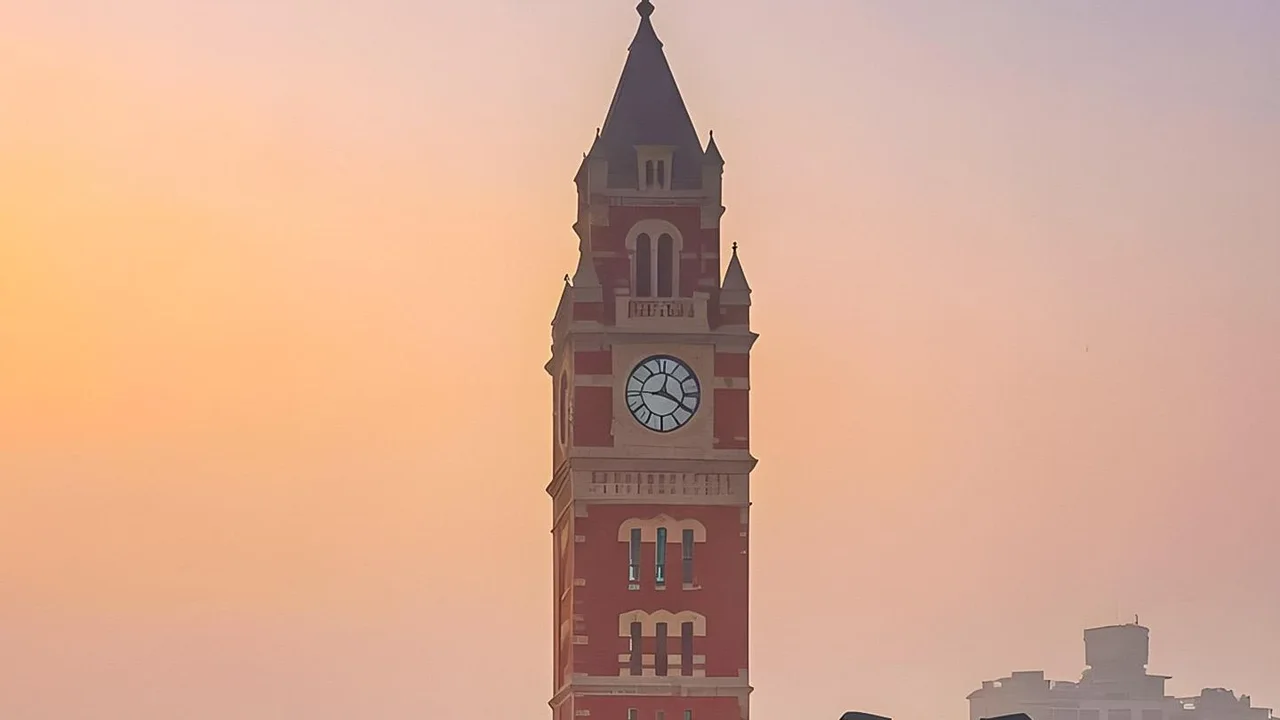
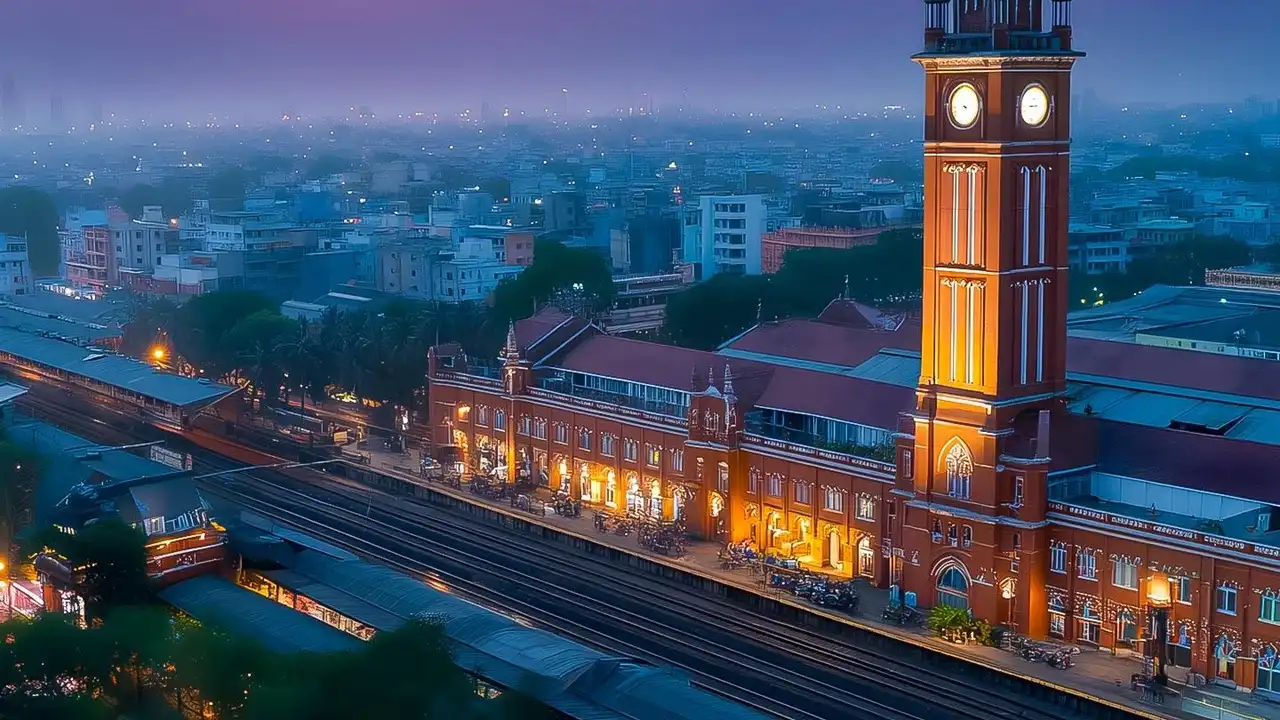
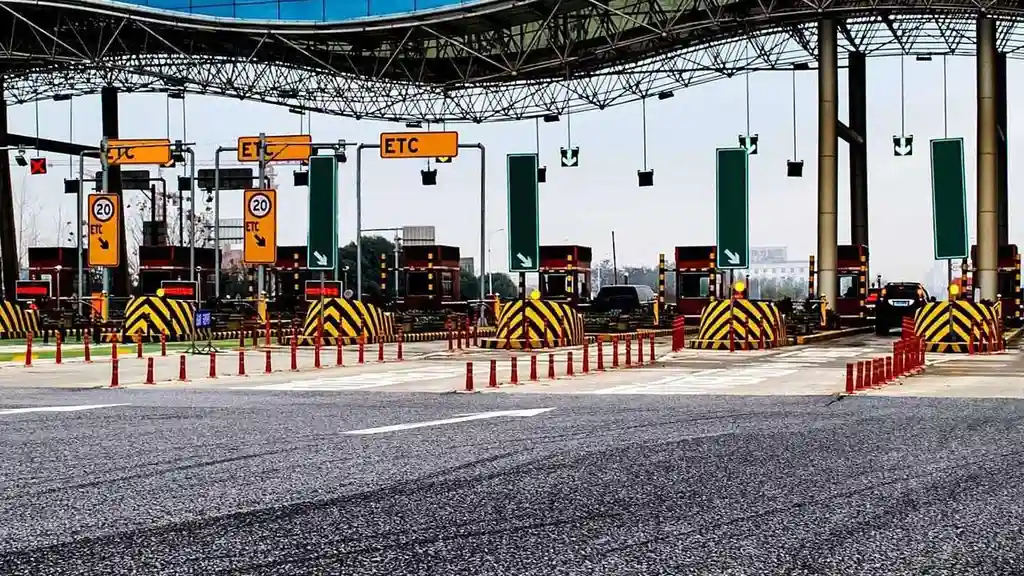
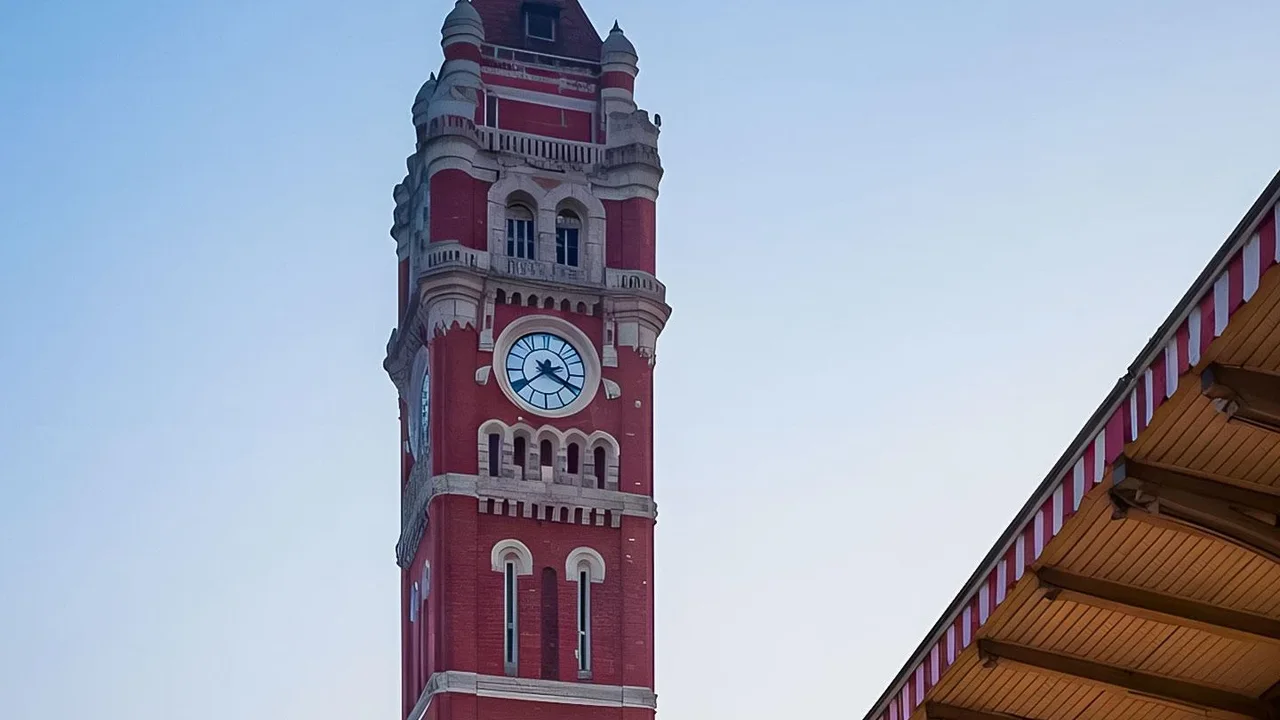
Today, Attari Sham Singh Railway Station stands silent, its most famous train suspended indefinitely. Entering the station itself requires a passport and visa, a stark reminder of its sensitive location. While the railway tracks are dormant, the surrounding area is anything but. In 2012, the Integrated Check Post (ICP) was inaugurated at Attari, a sprawling modern facility to streamline trade and passenger movement by road. Though trade with Pakistan is currently suspended, the ICP remains a crucial land port for commerce with Afghanistan. And every evening, thousands gather nearby for the famous Wagah-Attari border ceremony, a display of coordinated military pageantry. The silent railway station serves as a quiet backdrop to this daily ritual, a monument to a history of both connection and conflict.