




Discovering African Jasmine
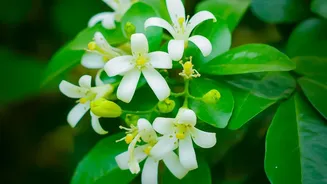
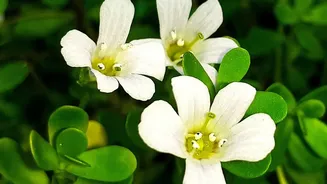
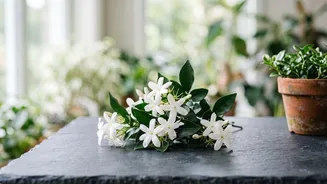
African Jasmine, botanically named Jasminum multipartitum, is a beautiful flowering vine native to South Africa. It's celebrated for its stunning, star-shaped white flowers and a captivating fragrance that intensifies in the evening. Unlike some of its relatives
that are best suited for outdoor gardens, this particular jasmine adapts wonderfully to indoor life, making it a perfect choice for plant lovers looking to add a touch of elegance and a natural aroma to their living spaces. Its glossy, dark green leaves provide a lush backdrop for the profusion of blooms that appear from spring through summer. Its manageable size and climbing nature allow it to be trained around a small trellis or simply cascade from a hanging basket, offering versatile decor options.
The Perfect Indoor Environment
To thrive indoors, African Jasmine needs the right balance of light and temperature. It flourishes in bright, indirect light. A spot near a window where it can receive at least four to six hours of sunlight is ideal, though it should be shielded from harsh, direct sun which can scorch its delicate leaves. If your home has limited natural light, consider supplementing with a grow light to ensure it gets the energy it needs to produce flowers. This plant prefers warm and humid conditions, typical of its native subtropical environment, with ideal temperatures ranging between 15°C and 24°C. It's best to keep it away from cold drafts or sudden temperature changes from air conditioners or heaters.
Potting, Soil, and Watering Needs
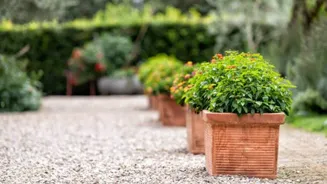
Choosing the right container and soil is crucial for a healthy plant. A pot with good drainage is essential, as jasmine does not tolerate 'wet feet' or soggy soil. Clay or terracotta pots are a great choice as they allow the soil to breathe. For the growing medium, use a well-draining, porous potting mix. You can create your own by blending standard potting soil with organic materials like perlite, bark, or coco coir to enhance aeration and moisture retention. When it comes to watering, consistency is key. Water the plant when the top inch of soil feels dry to the touch. Water thoroughly until it runs out of the drainage holes, but be sure to discard any excess water from the saucer. Reduce watering during the winter months when the plant's growth naturally slows down.
Feeding and Pruning for Abundant Blooms
To encourage a spectacular display of fragrant flowers, regular feeding is important during the growing season. From spring through summer, apply a balanced liquid fertilizer every two to four weeks. A fertilizer that is rich in phosphorus can be particularly beneficial for boosting bloom production. Always dilute the fertilizer to half the recommended strength to avoid overwhelming the plant. Pruning helps maintain the plant's shape and encourages more flowers. The best time to prune is right after the main flowering cycle ends. You can trim back unruly stems to maintain a compact shape or remove any dead or yellowing foliage. This will not only keep your plant looking tidy but also stimulate new growth for the next season.
Styling Your African Jasmine
The vining nature of African Jasmine makes it a versatile plant for home decor. For a striking vertical element, provide a small trellis or support for the vine to climb. This can create a living piece of art against a well-lit wall. Alternatively, place it in a hanging basket and allow its fragrant stems to trail gracefully downwards, which works wonderfully in a kitchen or living room corner. You can also let it cascade from a high shelf or mantelpiece. The pure white, star-shaped flowers and deep green foliage offer a classic and elegant look that complements various interior styles, from modern minimalist to bohemian. Its presence not only enhances the visual appeal of a room but also fills it with a natural, stress-relieving scent.