





The World’s Energy Arteries
In the world of global trade, certain narrow sea lanes act as critical arteries. For the oil market, none are more important than the Strait of Hormuz and the Bab el-Mandeb Strait. The headline's prediction is based on the theoretical closure of both.
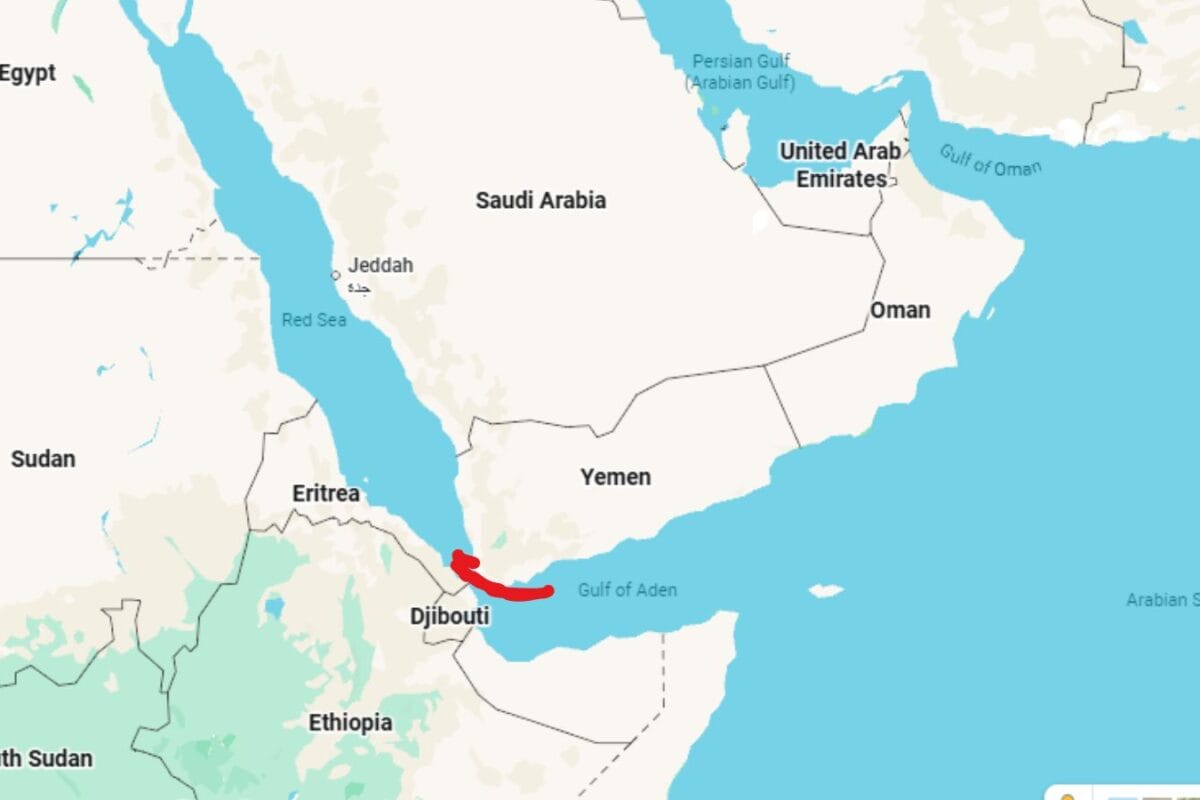
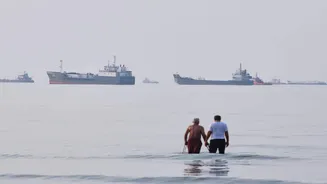
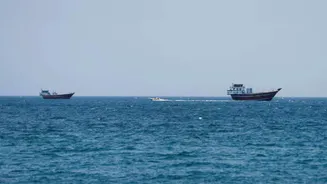
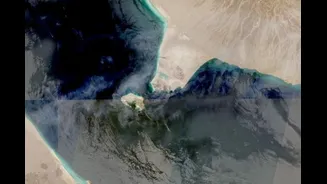
The Strait of Hormuz, linking the Persian Gulf to the Arabian Sea, is the world's single most important oil chokepoint. Before recent escalations, it handled about a fifth of the world's total oil consumption, with the vast majority destined for Asian markets like China, Japan, South Korea, and India. The second, the Bab el-Mandeb Strait, connects the Red Sea to the Gulf of Aden and the Arabian Sea. It's a strategic link for cargo and energy moving between Asia and Europe via the Suez Canal. While it sees less oil traffic than Hormuz, it serves as a critical alternative route for Gulf producers, particularly Saudi Arabia, to bypass Hormuz. Any disruption here forces ships on a much longer and more expensive journey around Africa.
A Perfect Storm of Geopolitical Risk
The $130 price forecast isn't based on market fundamentals like supply and demand; it's a risk premium reflecting a worst-case geopolitical scenario. Tensions have been escalating in both locations. Iran has significant influence over the Strait of Hormuz and has threatened or actively disrupted shipping during conflicts. Recent hostilities involving the U.S. and Iran have already caused significant disruptions, leading to a spike in crude prices. Simultaneously, Iran-backed Houthi rebels in Yemen have targeted commercial and military vessels in the Red Sea, directly threatening traffic through the Bab el-Mandeb Strait. A double blockade would effectively trap a massive portion of Middle Eastern oil supply. Saudi Arabia’s ability to reroute oil overland to its Red Sea ports would be neutralized if Bab el-Mandeb were also closed. This creates a scenario where the world's largest spare oil producer could be cut off from global markets, a situation some analysts have called a potential 'narrow escape route' for global supply.
What $130 Oil Means for India
For India, such a price spike would be an economic earthquake. The country imports over 85% of its crude oil requirements, making it highly vulnerable to global price shocks. A sustained price of $130-$135 per barrel would have a severe, cascading impact. First, the import bill would balloon, putting immense pressure on the nation's Current Account Deficit (CAD). Every $10 increase in the price of a barrel adds a significant burden to the CAD, estimated to be around $20 billion or 0.5% of GDP. This would also weaken the rupee as dollar demand for oil payments surges. For the average person, the effect would be immediate and painful. Petrol and diesel prices would inevitably rise, increasing transportation costs for everything from daily commutes to the movement of essential goods. This fuels broad-based inflation, hitting household budgets hard and complicating the Reserve Bank of India's efforts to manage economic growth and price stability. Corporates, especially in fuel-intensive sectors like aviation, logistics, chemicals, and paints, would see their margins squeezed, potentially impacting profitability and stock market performance.
Is a Double Blockade Likely?
Most analysts agree that the simultaneous and complete closure of both straits is a low-probability, high-impact event. It would represent a major military escalation that would almost certainly draw a significant international response. However, the ongoing attacks and heightened tensions show that the risk is not zero. Insurers are already repricing war-risk coverage for vessels in the region, which adds to the final delivered cost of oil, even without a full blockade. The current market, with Brent crude recently trading near the $90-$100 mark, already has a substantial geopolitical risk premium baked in due to disruptions in Hormuz and the Red Sea. The $130-$135 forecast, therefore, serves less as a concrete prediction and more as a stark reminder of the fragility of global energy security and the immense economic stakes involved in the escalating Middle East conflicts.