







A stark new report from Oxfam draws a direct line between the climate crisis and extreme wealth. It argues that the financial activities and lifestyles of the world's richest are not just unequal, but are actively accelerating climate breakdown.
A Tale of Two Planets
Oxfam's
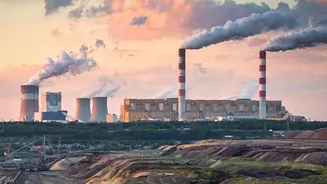
latest findings paint a picture of a deeply divided world. The core assertion is that the richest 1% of the global population are responsible for more carbon emissions than the poorest 66% of humanity combined. This isn't just about lavish lifestyles; while private jets and superyachts contribute, the report emphasizes that the primary driver of this disparity is investments. Between 50% and 70% of a billionaire's emissions come not from what they buy, but from where they put their money: in polluting industries like fossil fuels and cement. The analysis shows that 125 of the world's wealthiest billionaires have investment portfolios that produce an average of 3 million tonnes of carbon dioxide a year per person — over a million times higher than the average person in the bottom 90%.
How Profits Fuel Pollution
The report details a self-perpetuating cycle where financial gains are directly linked to environmental harm. Six of the world's largest fossil fuel companies are projected to make nearly $3,000 a second in profits in 2026. A significant portion of these profits flows to a small number of wealthy shareholders, who are overwhelmingly based in the Global North. The research highlights that billionaires have, on average, 14% of their investments in polluting industries, double the average for the S&P 500 index. This financial incentive structure makes a rapid transition away from fossil fuels difficult, as the world's most influential economic actors are heavily invested in maintaining the status quo. Their financial decisions lock in dependency on polluting infrastructure, undermining global climate goals.
The 'Destroy and Rebuild' Economy
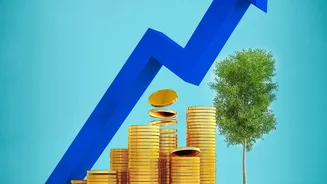
A chilling finding in the report is what Oxfam calls the 'Destroy and Rebuild' index. It identifies corporations that are not only profiting from the industries causing climate change, but are also profiting from the recovery. These investors have a 'double dividend': they gain from fossil fuel investments that cause disasters, and then gain again from investments in disaster preparedness, reconstruction, and insurance services sold to a world grappling with those very disasters. The global disaster recovery market is forecast to grow to over $90 billion a year by 2029, fueled by climate-related extreme weather. This creates a perverse incentive where the consequences of the climate crisis become yet another market opportunity for the wealthy, while those least responsible bear the human cost.
Why This Matters for India
For India and other nations in the Global South, these global statistics have immediate local consequences. Countries least responsible for historical emissions are facing the most severe impacts, from catastrophic floods and droughts to deadly heatwaves. Oxfam estimates that a single year of emissions from the richest 1% will cause 1.9 million excess heat-related deaths, with over three-quarters of these deaths occurring in low and lower-middle-income countries. This climate chaos acts as an 'inequality machine'. When floods hit, for example, death rates are seven times higher in more unequal countries. Wealth allows the rich to insulate themselves with private insurance, safer homes, and the ability to relocate, while the vast majority of people are left more vulnerable, with fewer resources to rebuild their lives and livelihoods.
A Path Forward: Taxing Excess
The report is not just a diagnosis; it also proposes solutions aimed at breaking the cycle of inequality and pollution. Oxfam advocates for systemic change, urging governments to hold wealthy polluters accountable. Key recommendations include implementing permanent wealth and income taxes, a permanent windfall tax on the excess profits of fossil fuel corporations, and punitive taxes on carbon-intensive luxury items like private jets. The goal of these measures is twofold: to disincentivize investment in polluting sectors and to generate revenue. This revenue, the report argues, must be used to fund climate action and adaptation in the Global South, ensuring that the cost of the crisis is borne by those most responsible for creating it.